Koji Rice vs Koji Barley: Which to Use and When

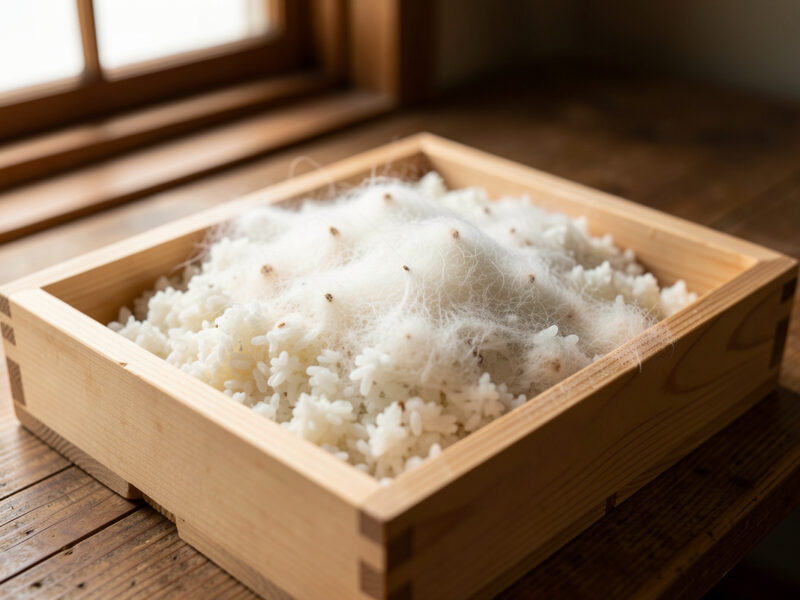
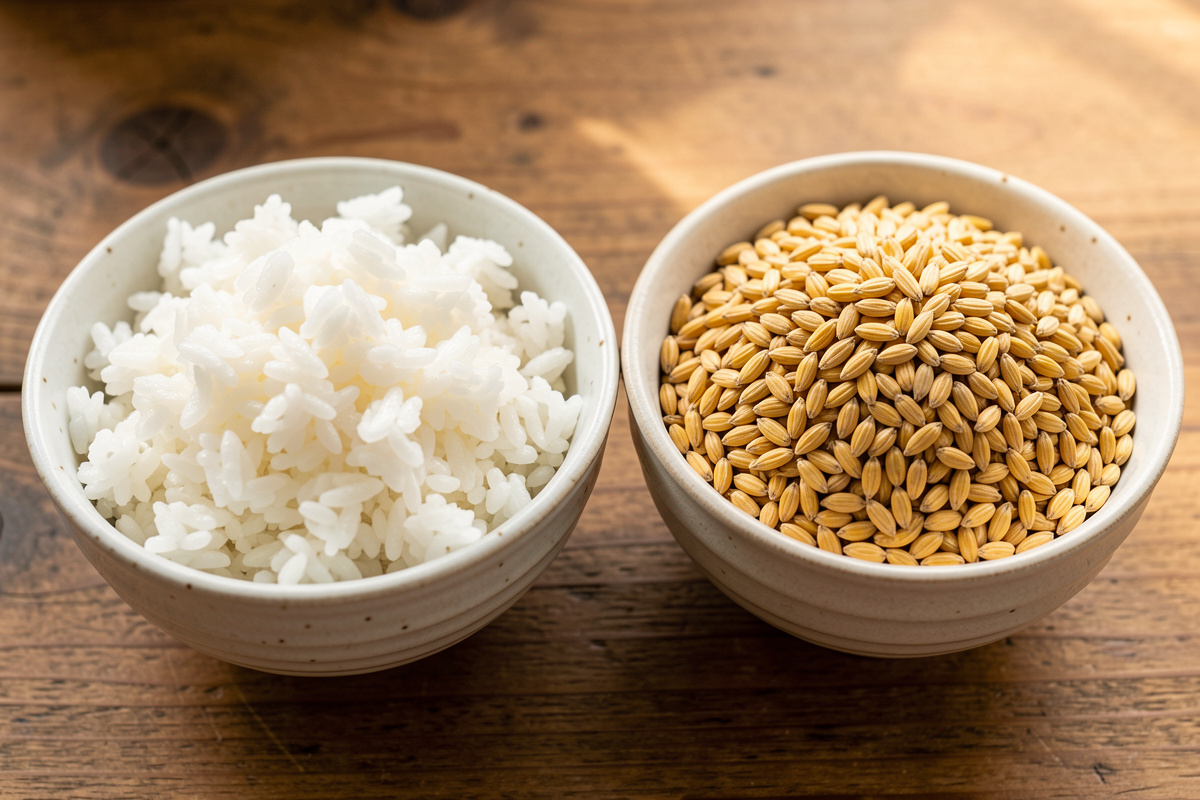
Koji rice and koji barley are the same mould — Aspergillus oryzae — grown on two different grains, and the grain is what changes everything downstream. Rice koji (kome-koji) is sweeter and lighter, the workhorse behind white miso, amazake, sake and shio koji. Barley koji (mugi-koji) is nuttier and heartier, the traditional base for country-style barley miso that ages for a year or more.
I keep both going in my rice-and-barley rotation because they genuinely pull a ferment in different directions, and choosing between them is one of the first real decisions a koji cook makes. This is how I think about it batch by batch — the flavour difference, where each one shines, and the cases where they are interchangeable and the cases where they are not. If koji itself is new to you, start with the koji fermentation guide and the method for growing koji at home, which works the same for either grain.
Same Mould, Different Grain
Both koji rice and koji barley are made by inoculating cooked grain with A. oryzae and incubating it around 30°C until the mould floods the grain with enzymes. The mould does not change; the canvas does. Rice is polished, steamed and gives a clean, neutral, sugar-leaning base. Barley — usually pearled — brings its own nutty, bread-crust character and a chewier grain that the mould knits through a little differently.
The practical upshot is flavour. Rice koji tastes sweet and delicate, which is why it dominates the lighter, sweeter ferments. Barley koji tastes deeper and earthier before it has even become anything, which is why it underpins the robust, long-aged misos of the Japanese countryside. Neither is better; they are tuned for different jobs.
Where Rice Koji Wins
Rice koji is the sweetness specialist. Its clean, amylase-forward character makes it the default for anything where you want sugar and delicacy rather than depth. Amazake is the clearest case — that thick, naturally sweet non-alcoholic rice drink relies on rice koji converting starch to sugar, and barley would muddy it. Sake is built on rice koji for the same reason. Sweet white miso leans on rice koji and a high koji ratio to taste light and mellow in just a few weeks.
Shio koji is the other place I almost always reach for rice. A rice-based shio koji has a clean, rounded sweetness that flatters delicate ingredients — fish, chicken, vegetables — without imposing a strong grain note of its own. If your goal is a versatile, neutral seasoning that brings out umami in whatever it touches, rice koji is the safer default.
Where Barley Koji Wins
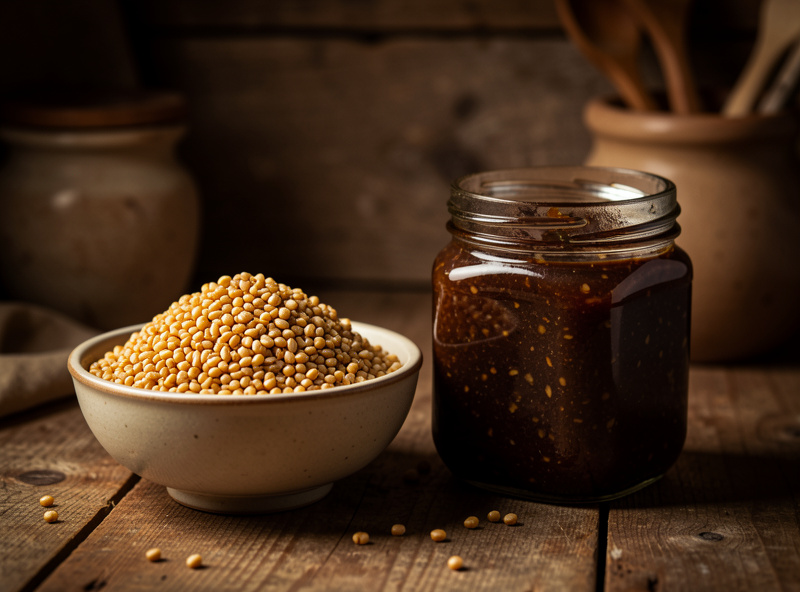
Barley koji is the depth specialist. Its signature home is mugi miso — barley miso — a hearty, rustic, savoury paste that ages for a year or two into something far deeper than a quick white miso. If you want a miso with backbone, a winter miso for braises and rich soups, barley koji is the traditional and the better choice. The nutty character that reads as a flaw in a delicate amazake is exactly the asset that makes a long barley miso compelling.
Barley koji also makes a characterful shio koji and a more robust amazake for anyone who finds the rice versions too sweet or simple. It rewards longer, bolder ferments. When I am building a miso that I want to forget at the back of a cool cupboard for a year, barley is what I reach for, and the miso method is otherwise identical.
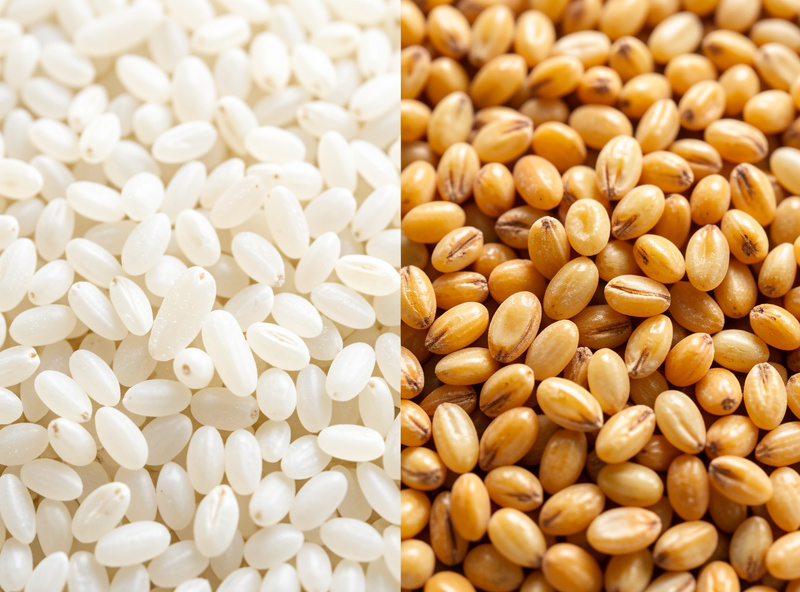
There is also a textural and visual difference worth knowing about. Barley koji grains are larger and stay more distinct in a finished paste, which gives a rustic barley miso a slightly coarser, more characterful body, while rice koji breaks down into a smoother, more uniform miso. Neither is a flaw — it is just another way the grain telegraphs into the final ferment. If you like a miso you can almost see the grain in, barley delivers that; if you want silk, rice is your grain. Stored dry and cool, both keep for a long time, so there is no penalty to keeping a bag of each on the shelf and choosing per batch rather than committing to one.
Growing Rice Koji vs Barley Koji
If you grow your own rather than buy it, the two grains behave slightly differently on the tray, though the core method is the same — inoculate cooked grain, hold around 30°C, vent the heat, harvest white. Rice is steamed until tender-but-separate and gives the mould a smooth, even surface to colonise, which is part of why rice koji comes up so reliably for beginners. Pearled barley is prepared much the same way, soaked and steamed, but the grains are larger and a touch chewier, and they can hold a little more surface moisture, so I am slightly more careful to dry and spread a barley bed before inoculating.
In practice both grains want the same things: a body-warm bed at inoculation, a shallow even layer, high humidity, and active mixing once the colony starts throwing off its own heat. Neither is dramatically harder than the other, but if you have never grown koji before, rice is the more forgiving first grain. Once you have a clean rice grow under your belt, switching to barley is a small adjustment rather than a new skill. Either way the harvest signal is identical — white, fuzzy, sweet-smelling grain pulled before it sporulates green.
Beyond Miso: Matching Grain to Ferment
It helps to think about the grain choice in terms of the whole koji family rather than just miso. For amazake, rice is close to mandatory if you want that clean, sweet character; barley amazake exists but reads as a different, nuttier drink. For sake and other rice-wine styles, rice koji is the foundation and barley simply is not the tradition. For shio koji, both work and the choice is purely a flavour preference — rice for a neutral all-purpose seasoning, barley for something with more presence.
For miso, the grain is a flavour lever you pull deliberately: light and sweet from rice, deep and rustic from barley, with everything in between available by blending the two. Some of my favourite misos use a mix, leaning on rice for approachability and barley for backbone. That blending option is worth remembering — you are not locked into one grain, and a 50/50 koji blend is a perfectly legitimate way to split the difference while you work out which end of the spectrum you actually prefer.
Rice Koji vs Barley Koji at a Glance
| Attribute | Rice koji (kome) | Barley koji (mugi) |
|---|---|---|
| Flavour | Clean, sweet, delicate | Nutty, earthy, hearty |
| Leans toward | Sweetness / amylase | Savoury depth |
| Best for | White miso, amazake, sake, shio koji | Barley (mugi) miso, long country miso |
| Aging style | Short and light | Long and robust |
| Appearance | Bright white grains | Golden, larger grains |
| Beginner default | Yes — most versatile | Once you want depth |
When They Are Interchangeable, and When They Aren’t
For miso, the two are freely interchangeable in method — you can build a perfectly good miso on either grain, and the salt math and packing in my from-scratch miso guide do not change. What changes is the destination flavour: a rice miso will be lighter and sweeter, a barley miso deeper and nuttier, even at the same salt and age. So you can swap them, you just need to expect a different result.
Where they are not really interchangeable is at the extremes. Amazake and sake genuinely want rice — barley produces something edible but off-character. A long, rustic country miso genuinely wants barley — rice gives you something thinner and less interesting over a two-year age. For shio koji and short misos, follow your palate: rice for clean and versatile, barley for bold. Whichever grain you use, the food-safety numbers are unchanged, because the salt percentage and pH that keep a ferment safe depend on the recipe, not the koji grain.
The Bottom Line
If you are buying or growing your first koji, get rice. It is the more versatile grain, it carries the widest range of ferments, and it is the one almost every beginner project is written around. Add barley koji to your rotation once you know you want hearty, long-aged miso or a nuttier shio koji — at that point it stops being an alternative and becomes its own tool. In my kitchen both earn their shelf space precisely because they are not substitutes for each other; they are two different starting points for two different kinds of ferment. Read across to the shio koji and miso aging guides to see how each grain behaves once it is actually working.
As an Amazon Associate I earn from qualifying purchases. You can buy either grain ready-made — dried koji rice for the versatile sweet ferments, or barley koji when you want a hearty country miso.
Further Reading
- Koji Fermentation: The Complete Guide
- How to Grow Koji at Home
- How to Make Miso at Home From Scratch
- Shio Koji Seasoning Guide

About Kenny Nyhus Fadil
A home fermenter documenting brines, bubbles, and the occasional moldy tragedy.