About
Ferment Foundry is a working notebook for people who want to live fermentation as a craft, not a fad. The site sits at the intersection of an old-world larder and a modern home kitchen — a place to learn the why behind the bubble, and to get the timing, salt, and temperature right the first […]
Ferment Foundry is a working notebook for people who want to live fermentation as a craft, not a fad. The site sits at the intersection of an old-world larder and a modern home kitchen — a place to learn the why behind the bubble, and to get the timing, salt, and temperature right the first time.
The work here is hands-on. Every guide is built around a recipe that has actually been pulled out of a crock or a swing-top bottle in our kitchen, tasted, and adjusted. We track the boring numbers most blogs skip — brine percentage by weight, ambient temperature, hydration ratios, hour-by-hour activity — because those are the numbers that decide whether your jar smells like a forest floor or whether it grows kahm yeast and disappoints you.
What you’ll find here
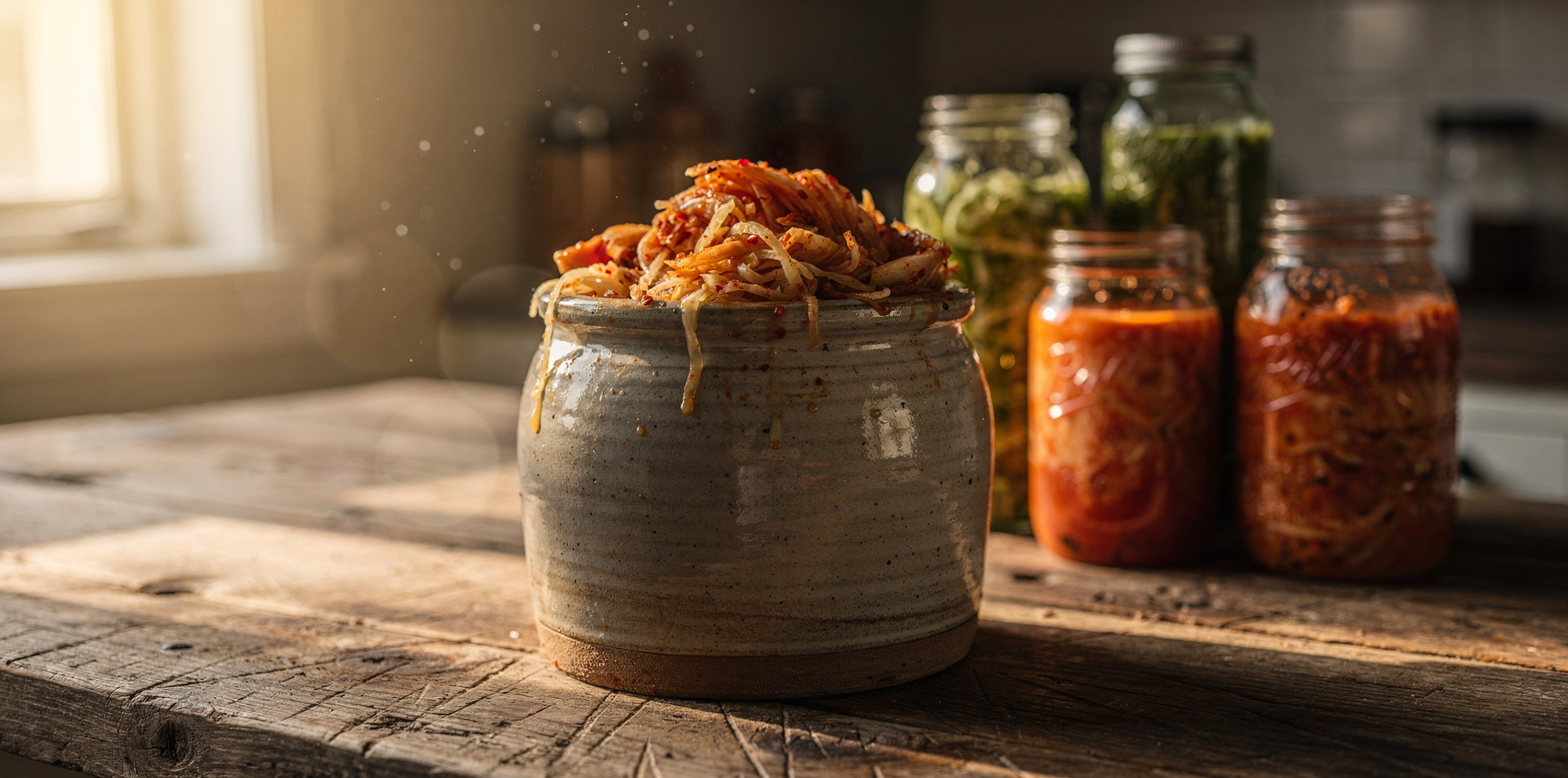
- Vegetable ferments — kimchi, sauerkraut, lacto-pickled everything, with brine math that actually works.
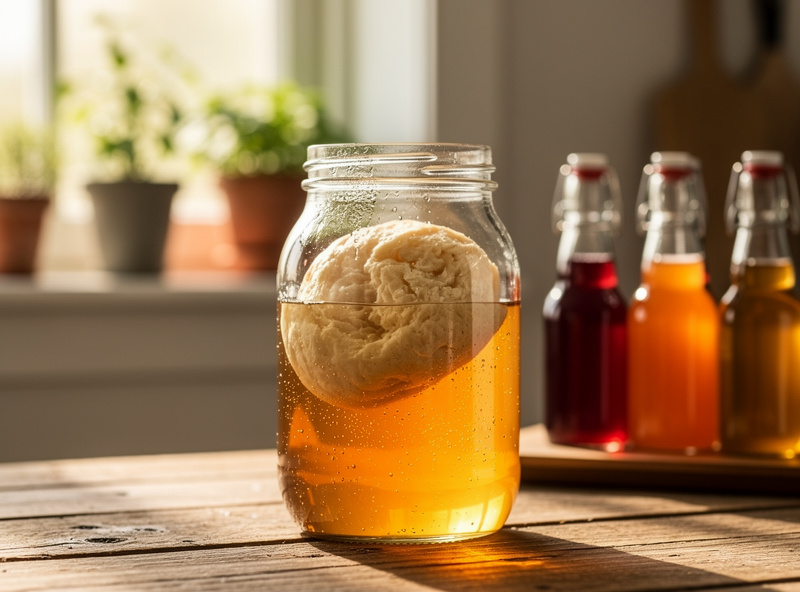
- Drinks — kombucha SCOBY care, water kefir grains, second-fermentation pressure without exploding bottles.
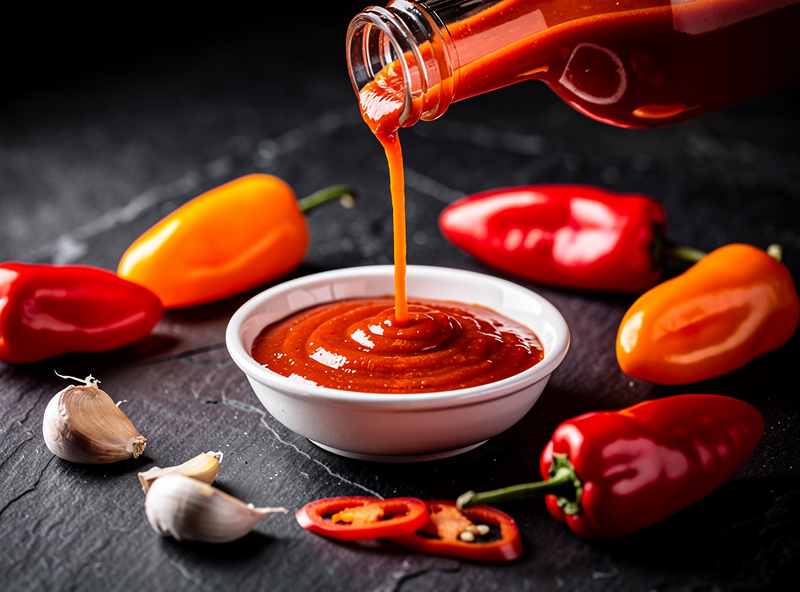
- Hot sauces & vinegars — the 3% brine method, mash vs. whole-pepper ferments, mother of vinegar troubleshooting.
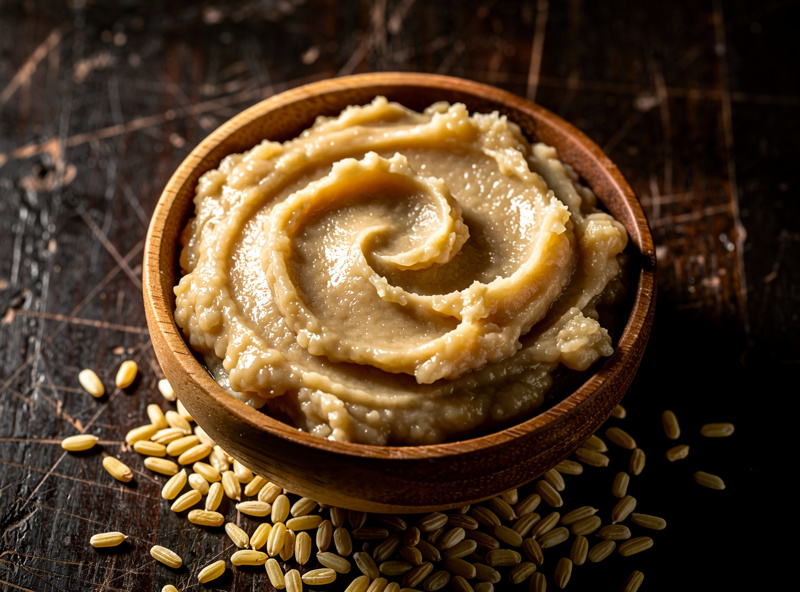
- Miso & koji — sweet white shiro, country-style red, growing your own koji on rice.
- Sourdough & grains — starter maintenance, hydration percentages, the rye starter that survives neglect.
- The science — why 2% salt, why 78°F matters, what is actually living in your jar.
If you have ever opened a jar with a question and closed it with three more, this site is built for you. More about Kenny, who writes everything published here.