Living Food,
Made at Home.
Fermentation guides for sauerkraut, kombucha, miso, hot sauce — and everything bubbling between.
Start Here
The Foolproof One-Quart Sauerkraut
The gateway ferment. If you can chop cabbage and measure salt, you can make perfectly tangy, crunchy sauerkraut in two weeks.
Read
Noma-Style Lacto Plums
Transform underripe fruit into a savory, bright, umami-rich ingredient that will change how you dress salads and make sauces.
Read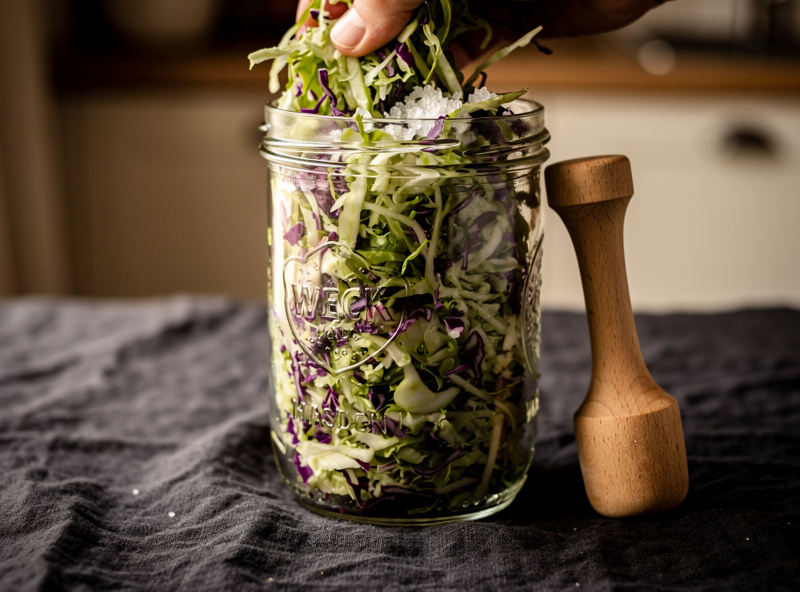
Understanding Kahm Yeast vs. Mold
Don't throw away that jar just yet. Learn how to identify the harmless white ripples of Kahm yeast versus dangerous fuzzy mold.
ReadFresh Posts
View all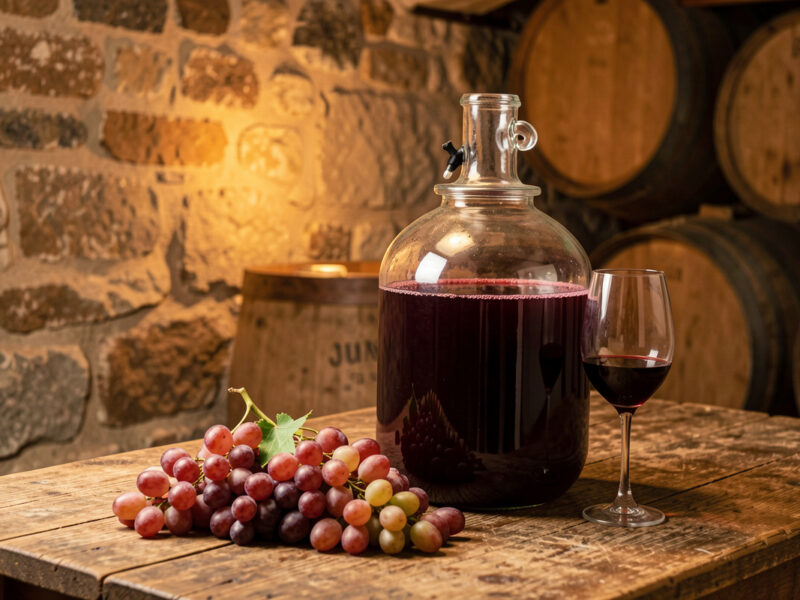
Wine Making at Home for Beginners
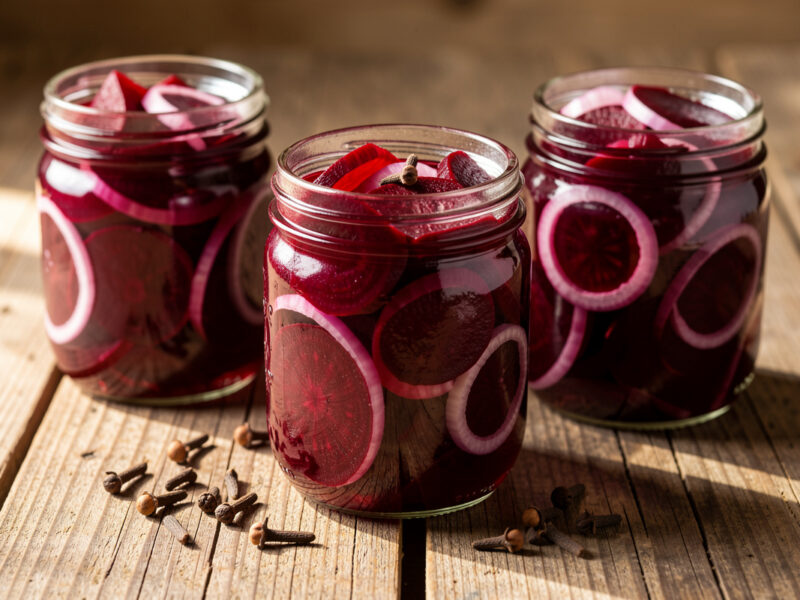
Pickled Beets Recipe: How to Pickle Beets at Home
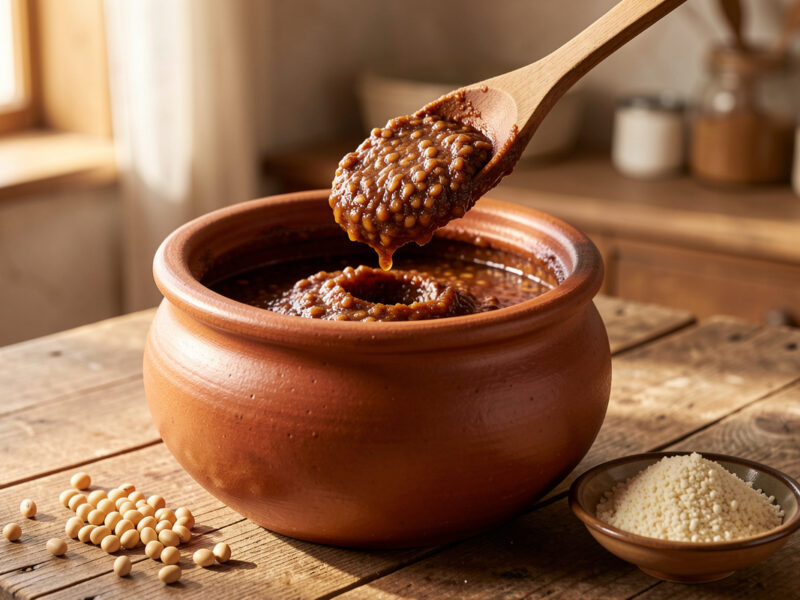
Fermented Bean Paste: Miso, Doenjang and Beyond
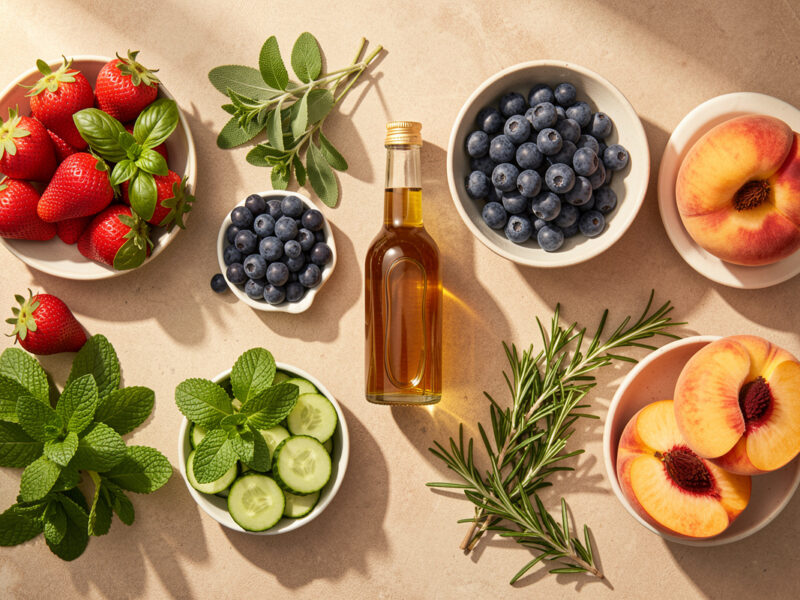
Best Fruit and Herb Pairings for Vinegar-Based Drinks

Sourdough Pizza Dough Guide: Cold-Fermented and Blistered
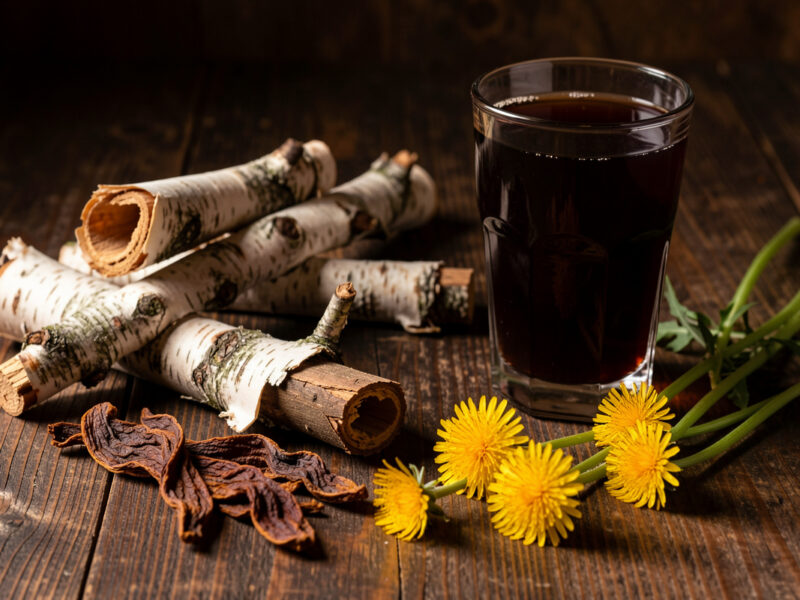
Herbal and Root Sodas: Sarsaparilla, Birch, and Dandelion
What's Bubbling
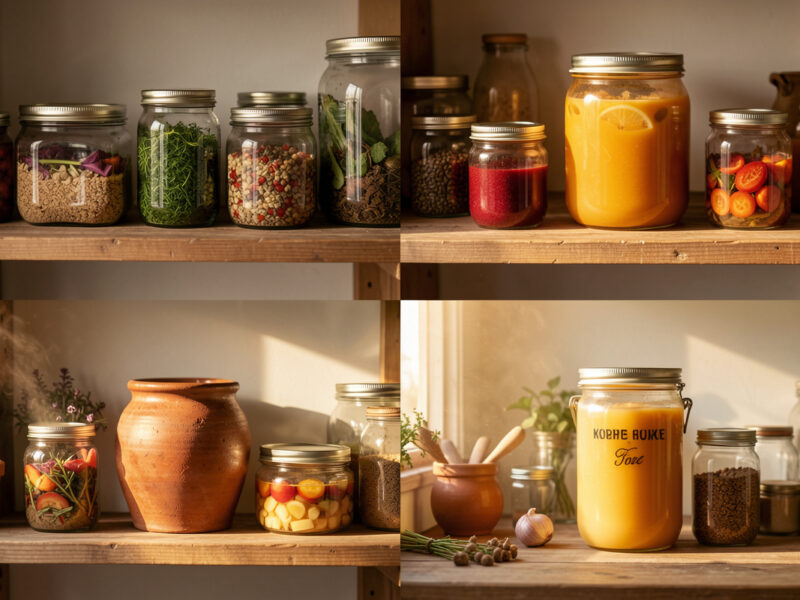
Equipment & Troubleshooting
46 Guides
Fermented Drinks
28 Guides
Sourdough
16 Guides
Pickling & Brined Vegetables
14 Guides
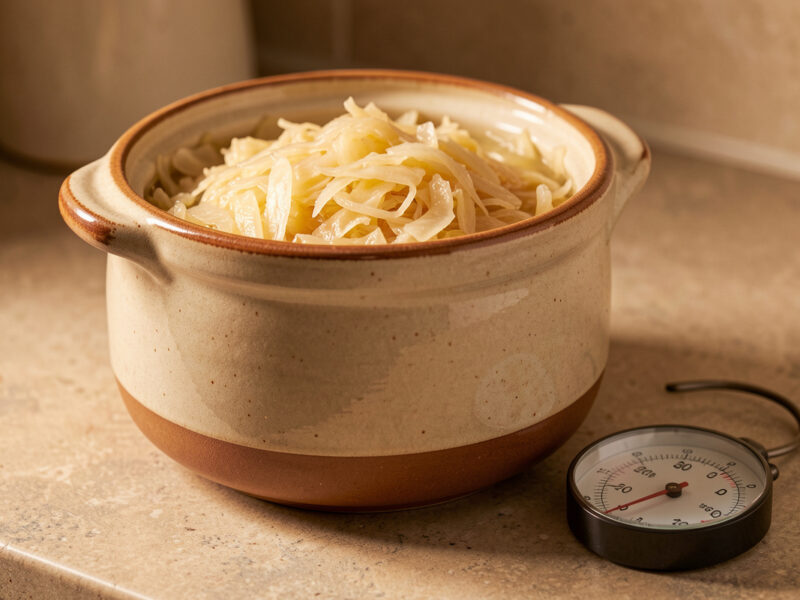
Lacto-Fermented Vegetables
14 Guides
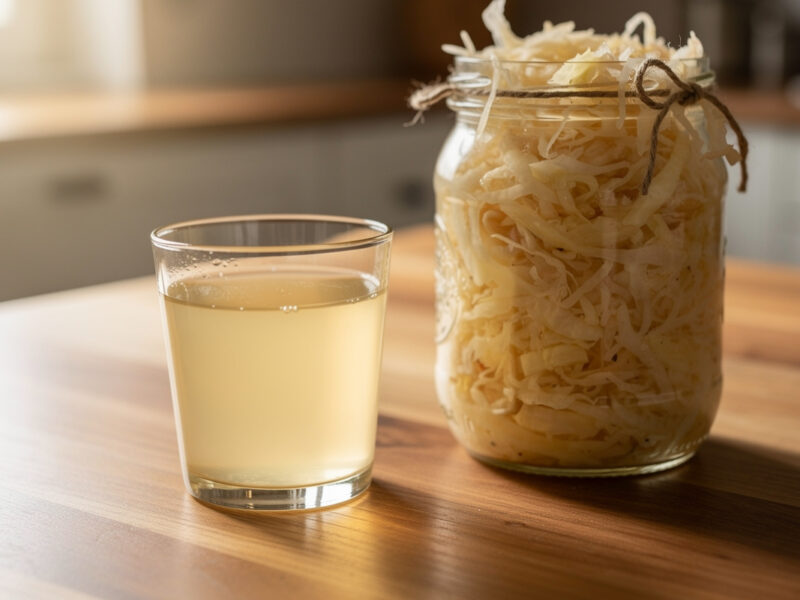
Sauerkraut
11 Guides

Kombucha
11 Guides
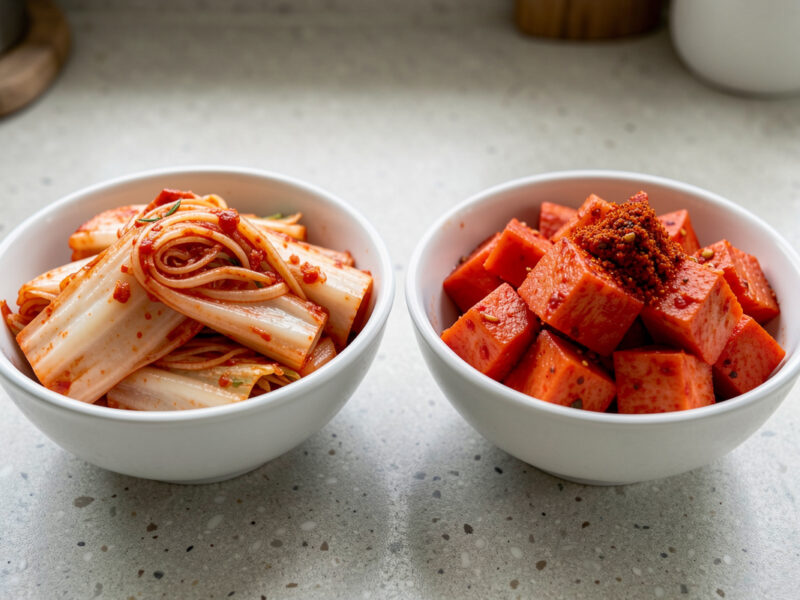
Kimchi & Korean Fermentation
11 Guides
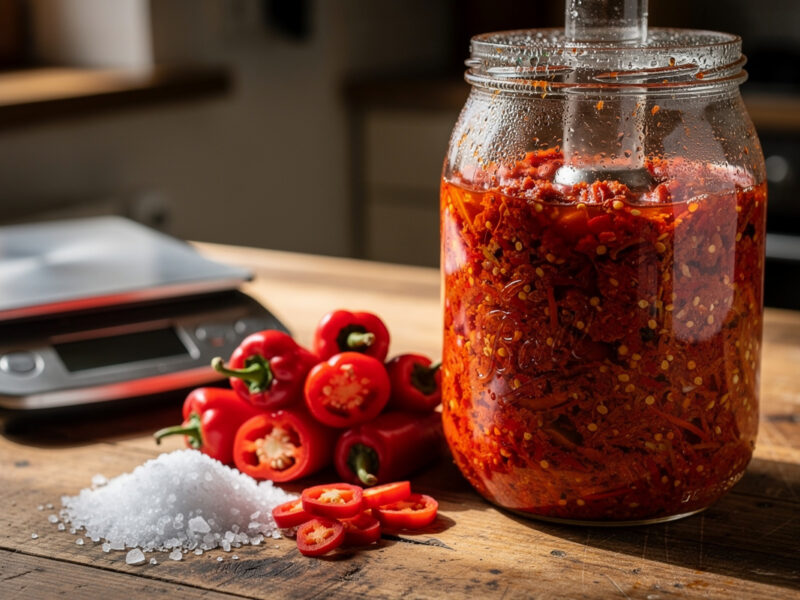
Hot Sauce
11 Guides
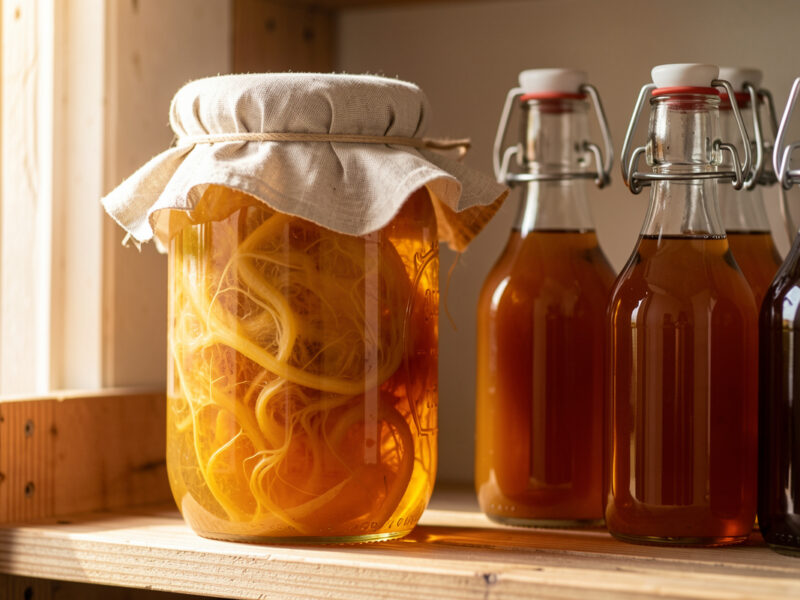
Vinegar Brewing
9 Guides
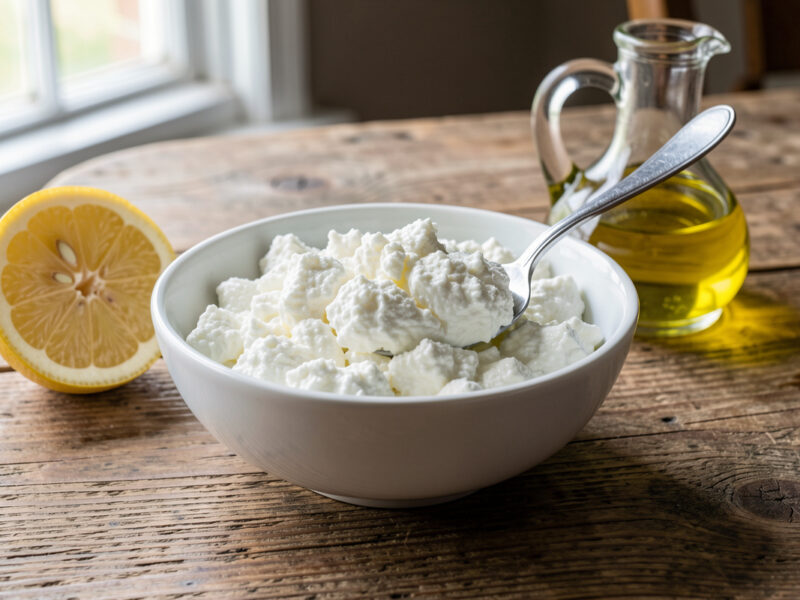
Cultured Dairy & Yogurt
5 Guides
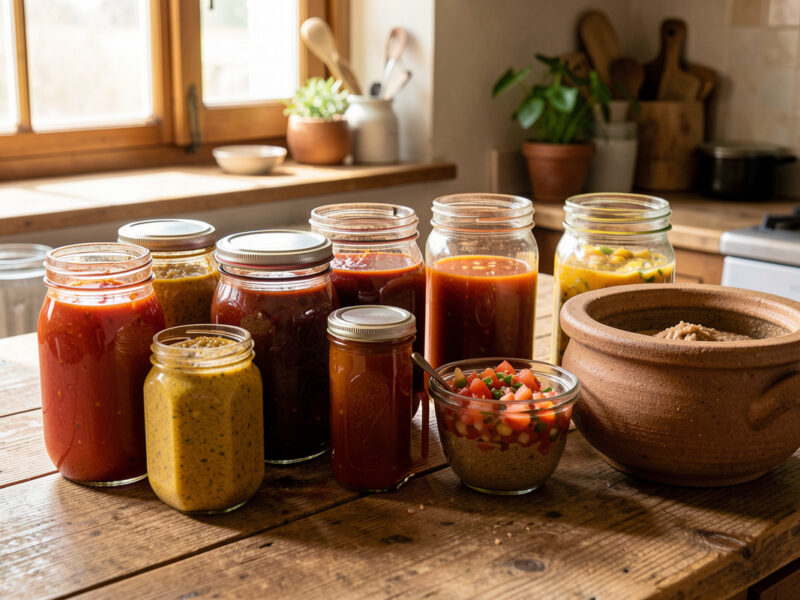
Fermented Condiments & Pastes
5 Guides
Cultured Grains & Legumes
5 Guides
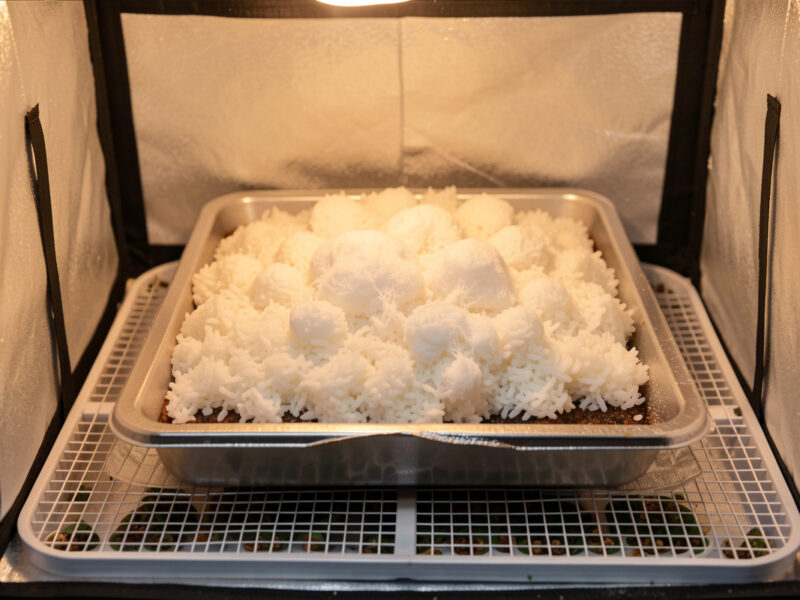
Koji, Miso & Tempeh
4 Guides
Why Fermentation Works
Read the science guidesSalt & Brine
Creates the perfect environment for good bacteria while inhibiting the bad.
Microbe Communities
LAB (Lactic Acid Bacteria) naturally present on vegetables do the heavy lifting.
Time & Temp
Warmer means faster, cooler means slower development of complex flavors.
About the Foundry
Real Ferments, Real Failures, Real Notes
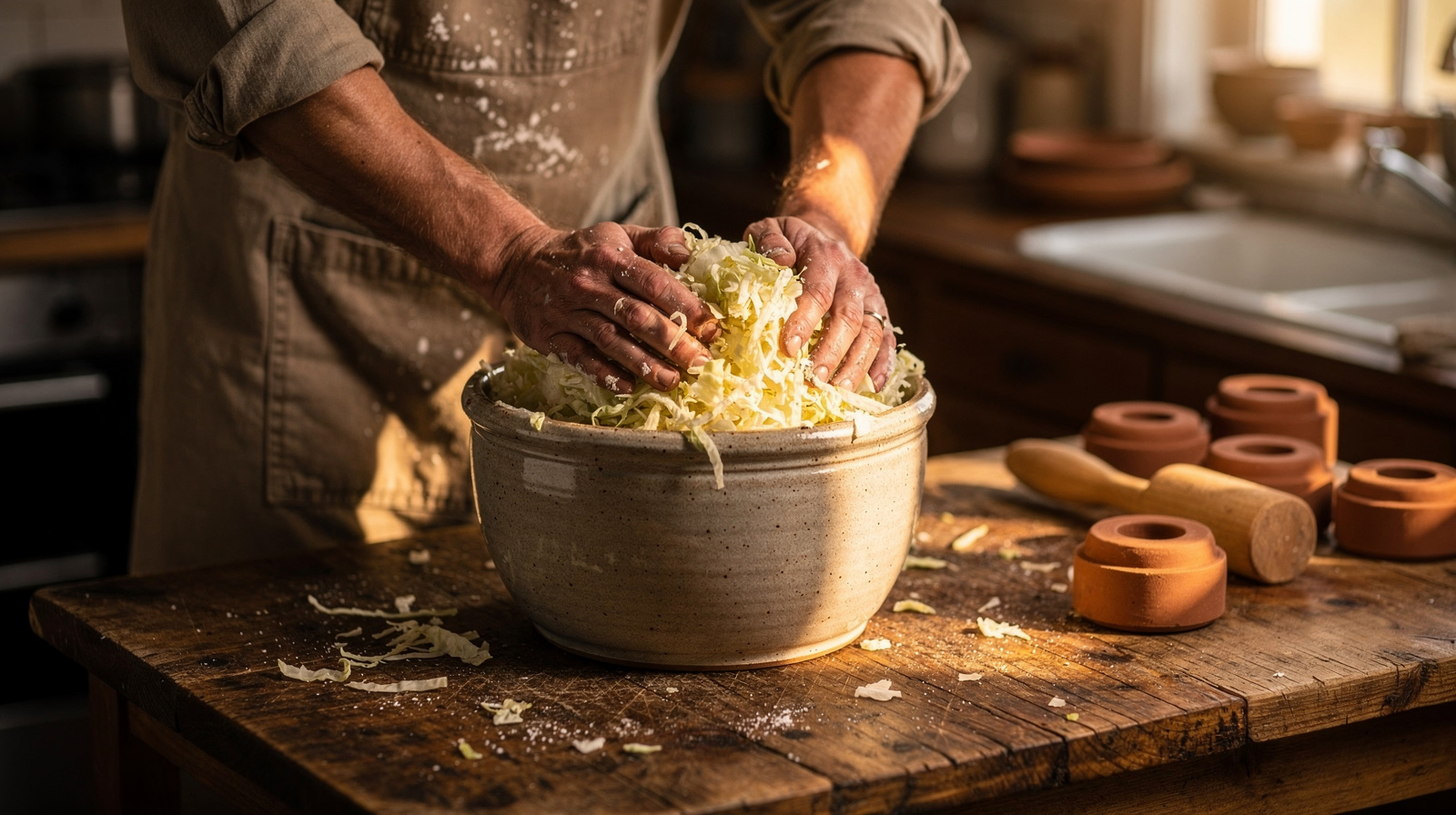
I started fermenting in 2014 out of pure curiosity and a surplus of farmer's market cabbage. What began as a single jar of kraut turned into a countertop covered in bubblers, crocks, and SCOBY hotels.
This isn't a food blog written for search engines. It's a living journal of what works in my home kitchen, backed by science and rigorous testing.
I document the exact salt ratios, the temperature fluctuations, and yes—the times a ferment goes terribly wrong. Because the best way to learn is by seeing both the triumphs and the moldy tragedies.
The Ferment Letter
Seasonal guides, microbe deep-dives, and the occasional hot sauce recipe — sent every other Friday.
Currently 12,431 fermenters reading.