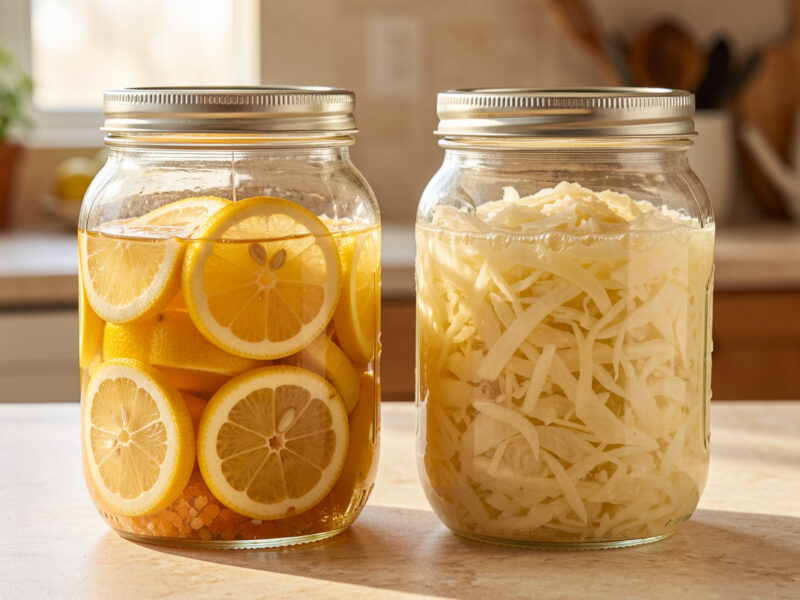
Preserved Limes, Oranges, and Other Citrus Variations

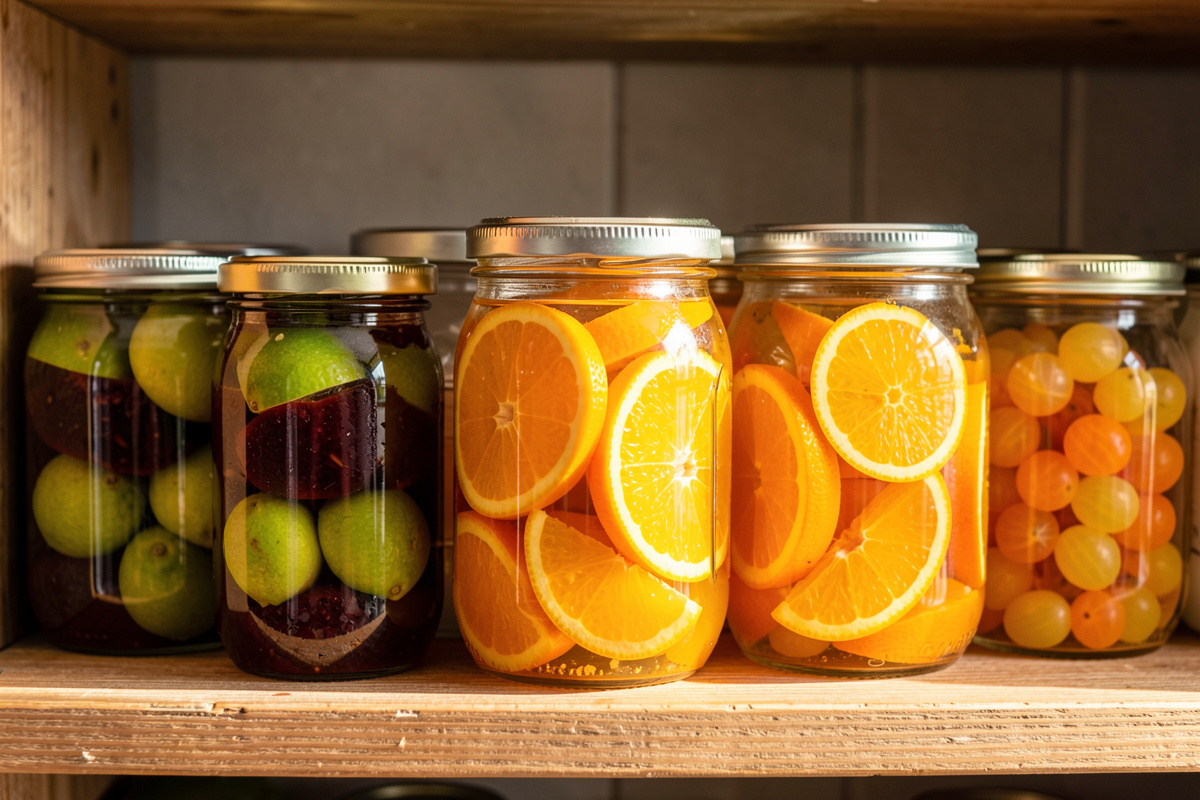
Every citrus fruit can be salt-preserved using the same method as preserved lemons — pack in salt at 15–20% of the fruit’s weight, submerge in its own juice, cure three to six weeks — but each one turns into something distinct. Limes cure dark, jammy, and intense; oranges go sweet-savory and complex; kumquats stay whole and poppable; bitter Seville oranges and bergamot become aromatic backbones for marinades and dressings. The technique is identical, but the results span the whole flavor map.
Once I’d kept a preserved-lemon jar going for a while, branching out across the citrus shelf was the obvious next move, and it’s where the method gets genuinely fun. I keep at least three different citrus cures running at once and compare them side by side — the differences in how each fruit softens, darkens, and mellows are striking. If you haven’t made the basic version yet, start with my preserved lemons walkthrough; everything here builds on that same salt-and-submerge foundation, which I lay out method-wide in the salt-preserved produce guide.
How Do You Make Preserved Limes?
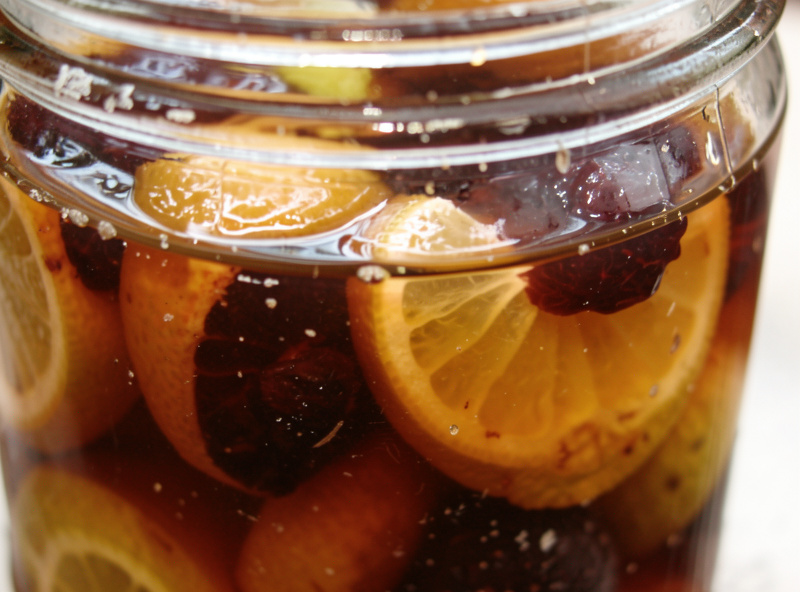
Preserved limes are made exactly like preserved lemons but need slightly more salt — around 18–20% by weight — and a little longer, four to six weeks, because their skins are thicker and denser. Quarter them from the top, pack the cut faces with coarse salt, cram into a jar, and top with fresh lime juice until submerged. Over the cure they darken dramatically, going from bright green to deep amber-brown and turning almost jammy.
That darkening throws first-timers, but it’s exactly right — preserved limes are supposed to go dark and soft, the same way the cloudy brine on lemons is supposed to look alarming and isn’t. The flavor deepens into something between preserved lemon and a savory marmalade, with a bitter-floral edge that’s incredible in South Asian cooking. Indian nimbu ka achar and certain Persian dishes lean on exactly this. I mince the softened peel into lentil dishes, rice, and yogurt sauces. On my scale I push lime salt a touch higher than lemon because the denser skin holds more water to draw out, and I’ve never had a properly salted, submerged lime jar go wrong.
What Do Preserved Oranges Taste Like?
Preserved oranges come out sweet-savory and far more complex than fresh — the salt cuts the sugar and pulls out a deep, marmalade-meets-umami flavor with none of the cloying sweetness. Use thick-skinned oranges, cure at 15–18% salt for three to four weeks, and expect the peel to soften into a silky, intensely flavored ingredient. They’re a natural match for duck, pork, and winter braises.
Oranges are my favorite curveball in the citrus lineup because people don’t expect them to work — they assume the sweetness will fight the salt. It doesn’t; the two balance into something savory and grown-up. I’ve used minced preserved orange peel in a duck marinade and stirred it through a fennel salad, and both times it added a rounded depth fresh orange couldn’t. Blood oranges cure with a gorgeous red-tinged brine. Because oranges carry more sugar than lemons or limes, keep an eye on submersion — sugar can feed surface yeast if a piece pokes into the air, so the brine line rule matters even more here. I learned that on an early orange batch: one quarter bobbed up above the liquid overnight and had a fuzzy white bloom on it by the next morning. I pulled that piece, but it taught me to weight orange jars more aggressively than lemon ones, since the sugar makes an exposed piece spoil faster.
Can You Preserve Kumquats, Bergamot, and Other Citrus?
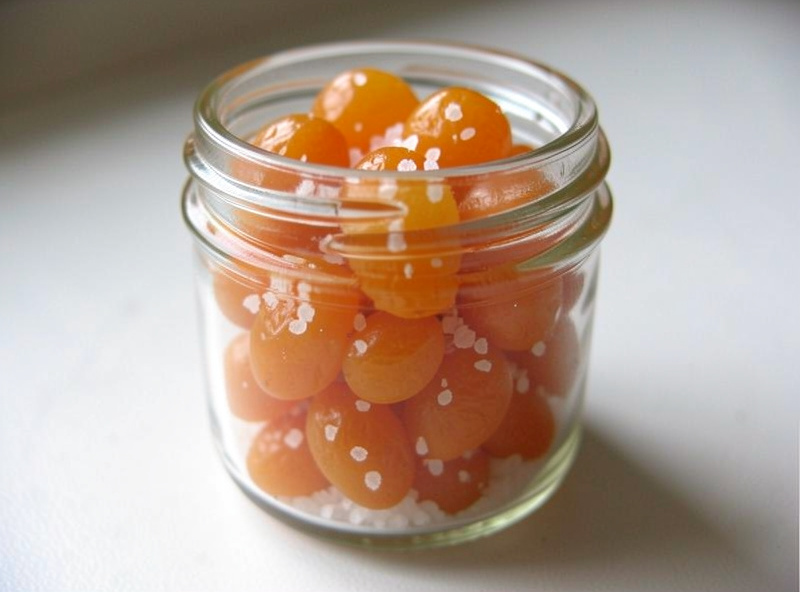
Yes — kumquats, bergamot, Seville oranges, mandarins, and grapefruit all take the salt cure beautifully, each with its own use. Kumquats are the standout: small enough to preserve whole with a slit and a salt packing, they end up soft, sweet-tart, and edible skin and all straight from the jar. Bergamot and Seville oranges bring intense bitter-aromatic character that shines in dressings and cocktails.
Kumquats are the one I always tell people to try first after lemons, because whole preserved kumquats are a revelation — pop one from the jar and it’s a burst of salty-sweet-sour all at once, no chopping required. Just slit each one, work salt into the cut, and pack tight; they cure in about three weeks. Bergamot, the aromatic citrus behind Earl Grey, cures into a perfume-intense peel I use sparingly in dressings. Seville oranges — the bitter marmalade orange — make a preserved peel with real backbone. Grapefruit works but its size means longer curing and thicker pith to manage. Across all of these the salt math and submersion rule from the salt-cure method hold exactly the same; only the timeline shifts with fruit size.
Does the Salt Ratio Change Between Citrus Types?
The salt ratio shifts modestly with the fruit’s skin thickness and water content: thin-skinned lemons and mandarins cure at 15%, standard oranges and lemons at 15–18%, dense-skinned limes and grapefruit at 18–20%. The wetter and thicker the fruit, the more salt it needs to fully draw down the water and stay safe. When in doubt, err toward more salt — you can rinse excess off the finished peel, but you can’t add safety back to an under-salted jar.
This is where the scale earns its keep again. I weigh each batch of fruit and calculate salt as a percentage rather than trusting a one-size recipe, because a jar of dense limes and a jar of thin mandarins genuinely need different amounts. The safety principle never changes: salt is the only thing preserving these, so it stays above the floor and everything stays submerged. Get those two right and citrus curing is nearly foolproof. If a piece floats, push it back under or add more citrus juice — exposed peel above the brine is the one place trouble starts, exactly as it does with lemons.
How Do You Use Preserved Citrus in Cooking?
Use the softened peel, minced or sliced, as a concentrated seasoning — discard or rinse the salty pulp first, then add small amounts to balance the intense flavor. Preserved lime goes into curries, dals, and rice; preserved orange into braises, marinades, and salads; preserved kumquat gets eaten whole or chopped over roasted vegetables and desserts. A spoonful of any of the brines is a seasoning in its own right.
My rule is start with less than you think and taste up, because preserved citrus is potent and already salty, so you cut back on other salt in the dish. Preserved lime and coconut in a curry; preserved orange in a duck ragù; preserved kumquat sliced over a bitter-leaf salad with the brine whisked into the dressing. The whole point of running several jars at once is having this range of concentrated citrus on hand year-round. For how long each of these keeps and the best way to store them, see how long do preserved lemons keep and how to store them — the storage rules apply across every citrus in this lineup.
My safety references for all of this stay the same across the citrus board: the National Center for Home Food Preservation for salting fundamentals and the FDA Food Code for the water-activity thresholds that make a salt cure shelf-stable. As an Amazon Associate I earn from qualifying purchases. To keep a citrus lineup going you’ll want a few small jars — compare small glass preserving jars.
Can You Mix Different Citrus in One Jar?
Yes, you can preserve mixed citrus in a single jar, and it makes a wonderful all-purpose seasoning — just match the pieces roughly by size so they cure at a similar rate and salt to the highest ratio any of the fruits needs. A jar of mixed lemon, lime, and mandarin wedges gives you a complex, layered preserved-citrus base that’s more interesting than any single fruit alone.
I keep one “kitchen-sink” citrus jar going alongside my single-variety ones, tossing in whatever’s at the end of its fresh life — a lemon here, a couple of limes, an orange quarter. Salt it all at 18–20% to cover the densest fruit in the mix, keep everything submerged, and you’ve got a rescue jar that turns leftover citrus into a preserve instead of compost. The flavor is a moving target from jar to jar, which is part of the appeal — no two batches taste quite the same, and all of them beat throwing the fruit away. Just keep the salt at the safe floor for the toughest-skinned fruit in the jar and the whole mix stays shelf-stable together.
Frequently Asked Questions
Why did my preserved limes turn dark brown?
That is completely normal and desirable. Limes darken from bright green to deep amber-brown as they cure, developing a jammy texture and a deeper, savory-bitter flavor. The darkening comes from the breakdown of pigments and sugars during the salt cure, not spoilage. As long as they stay submerged and smell of salt and citrus, they are fine.
Do oranges get too sweet when preserved?
No. The salt cuts the sweetness and transforms it, so preserved oranges taste sweet-savory and complex rather than sugary. The result is closer to a savory marmalade with umami depth. Just watch submersion carefully, since the extra sugar can feed surface yeast if a piece is exposed above the brine.
Can you eat preserved kumquats whole?
Yes, and that is the best part. Kumquats are small enough to preserve whole with just a slit and salt packing, and after about three weeks they are soft and edible skin and all. Pop one straight from the jar for a burst of salty, sweet, and sour, or chop them over vegetables and desserts.
Does each citrus need a different amount of salt?
The ratio shifts modestly with skin thickness. Thin-skinned lemons and mandarins cure around 15 percent salt by weight, standard oranges at 15 to 18 percent, and dense limes and grapefruit at 18 to 20 percent. Thicker, wetter fruit needs more salt to fully draw down its water. When unsure, use more salt.
How long do preserved limes and oranges take?
Limes need four to six weeks because of their thick, dense skins, while oranges finish in three to four weeks and small kumquats in about three weeks. You are waiting for the peel to soften and the harsh raw flavor to mellow. A warmer kitchen speeds the cure and a cooler one slows it.
Keep Building
- Salt-Preserved Produce: The Complete Guide
- How to Make Preserved Lemons and How to Use Them
- How Long Do Preserved Lemons Keep and How to Store Them
- Salt-Cured vs Lacto-Fermented: Two Different Preservation Paths

About Kenny Nyhus Fadil
A home fermenter documenting brines, bubbles, and the occasional moldy tragedy.
Keep Bubbling
How Much Water and Salt for a Quart Jar: A Brine Cheat Sheet
Salt-Preserved Garlic and Herbs for the Pantry