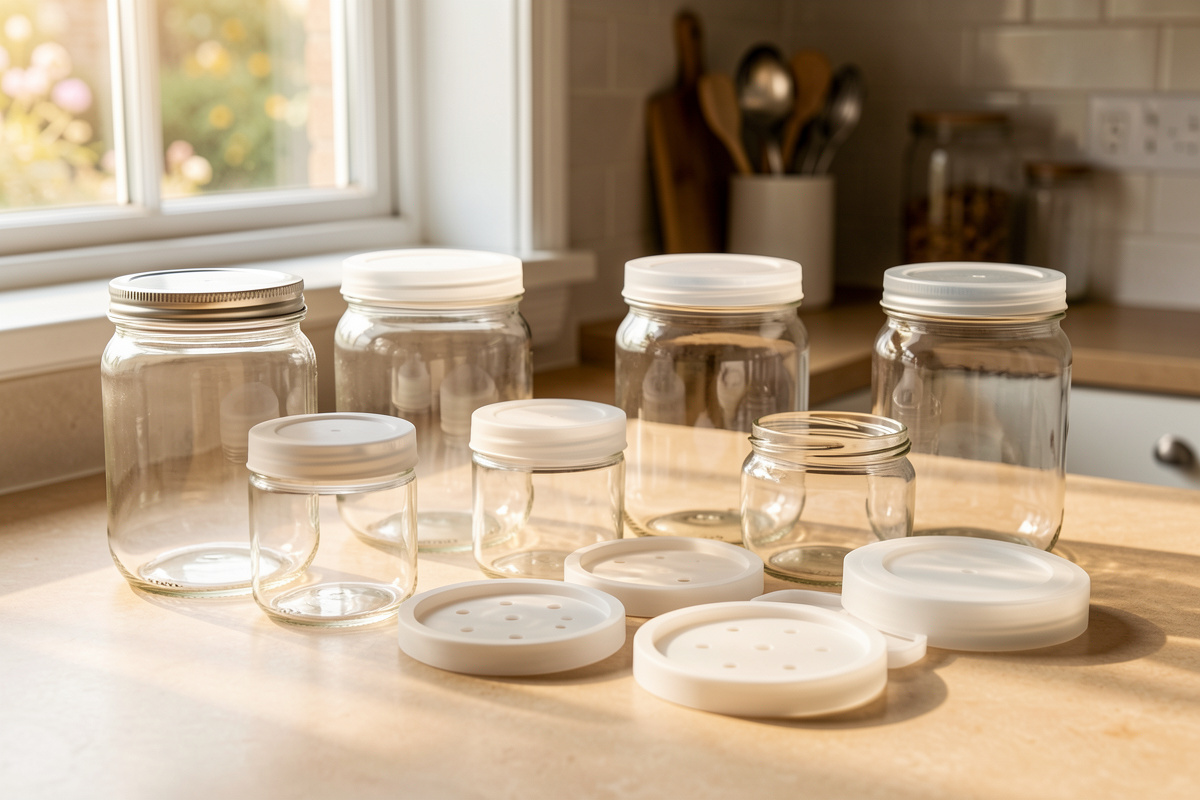
Removing Stubborn Smells from Jars, Lids, and Crocks

Stubborn fermentation smells come from oils and sulfur compounds — kimchi’s garlic and fish sauce, a chili mash’s capsaicin, an over-ripe kraut’s funk — soaking into porous or rubbery materials that a rinse can’t reach. You break them by matching the treatment to the material: a baking-soda soak for glass and glazed clay, a longer soak plus sunlight for silicone and plastic, and honest replacement for a gasket that has given up. Hot water alone will not do it.
Glass and glazed stoneware are the easy cases; the smell sits on the surface and scrubs off. The real trouble is everything porous or flexible in the kit — the silicone waterless-airlock lids I run, the rubber gaskets on Fido-style jars, the plastic three-piece airlocks, and the unglazed rim of a crock. Those materials bond to odor compounds and laugh at a rinse. I once kept a Fido gasket in service long past its time because it “looked fine,” and every batch of pickles out of that jar carried a ghost of the garlic kraut I had made a year earlier. The gasket, not the jar, was the problem — and the fix was to stop deodorizing and replace it. This guide is how to tell those cases apart. For the whole vessel-care system, see the fermentation crock care and cleaning guide.
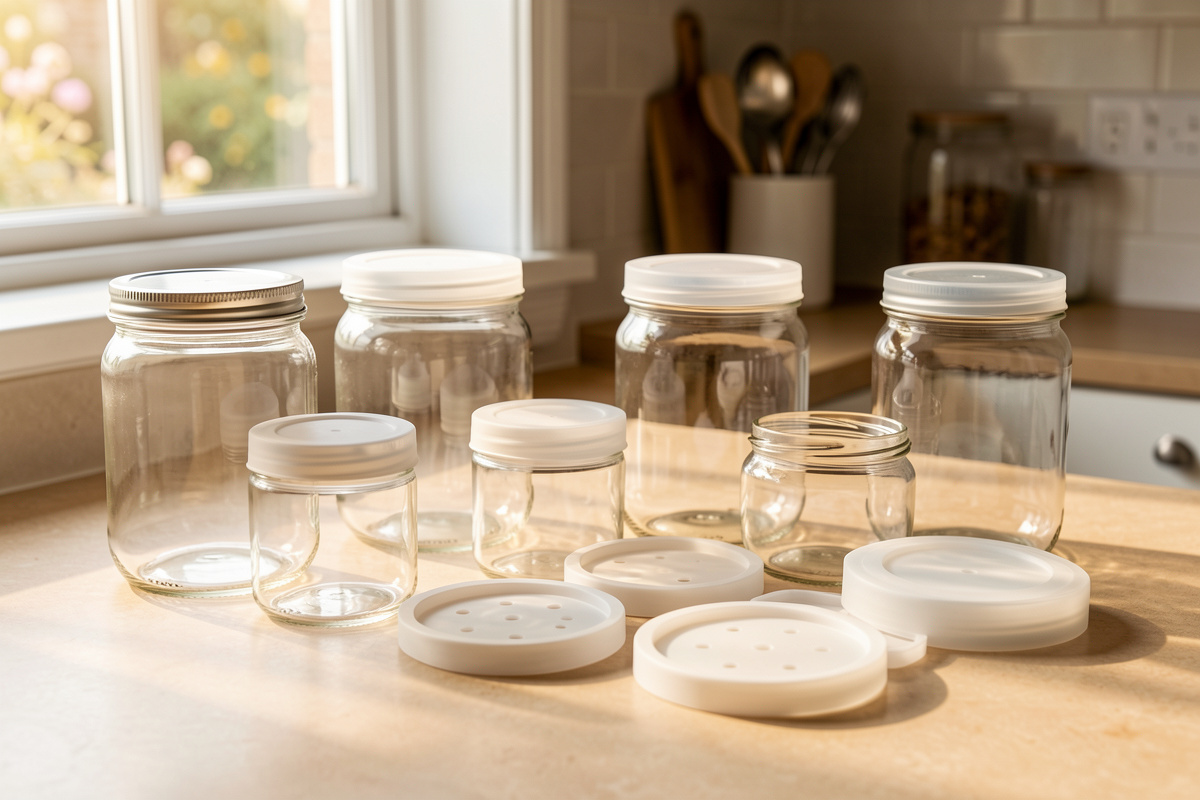
Why Do Fermentation Smells Get Stuck in Jars and Lids?
Fermentation smells stick because the strongest ones are oil-soluble and volatile — garlic’s sulfur compounds, chili’s capsaicin, the amines in fish sauce — and they penetrate into any material with porosity or a soft polymer surface. Water rinses the surface but never reaches what has soaked in, so the odor re-releases for days or weeks afterward.
It comes down to what a material is made of. Glass and fired glaze are effectively non-porous and chemically inert; odor molecules sit on top and lift off with a scrub. Silicone and rubber are soft polymers that odor compounds dissolve into, the way a scent settles into a sponge. Plastic scratches, and every scratch is a new pocket for oils to lodge in. Unglazed fired clay — the crock rim, the foot — is genuinely porous and absorbs both smell and moisture. So the same kimchi batch leaves a spotless glass jar smelling clean after one wash while its silicone lid still reeks of garlic three washes later. Knowing which material you are fighting tells you which method will actually work, instead of scrubbing a glass jar that was already fine and ignoring the lid that is the real culprit.
Which Materials Hold Smell, and Which Don’t?
Glass and glazed stoneware barely hold smell and clean up with a single wash; silicone, rubber gaskets, plastic airlocks, and unglazed clay hold it stubbornly and need dedicated treatment or replacement. The rule of thumb: if it is hard and shiny, it will come clean; if it is soft, matte, or porous, plan for extra work.
This is why I organize my deodorizing by material rather than by item. The glass quart and half-gallon jars on my shelf are never the problem — a hot wash and they are neutral. The silicone lids are always the problem, because they are the part that seals against the most aromatic ferments. Rubber gaskets are worse, because they compress and trap oils in the seam. Plastic three-piece airlocks fall in the middle — cleanable, but the grommet and the small parts hide smell. And the crock’s own unglazed rim absorbs funk like the porous clay it is, which is why the stoneware cleaning method puts real emphasis on scrubbing that band. Sort your kit into “hard and inert” versus “soft and absorbent” and you will spend your effort where it actually pays.
How Do You Deodorize Glass Jars and Glazed Crocks?
For glass and glazed surfaces, a hot wash usually clears the smell; for anything lingering, fill or coat with a baking-soda solution — about a tablespoon per cup of warm water — let it sit an hour or overnight, then rinse. Baking soda neutralizes acidic and sulfurous odor compounds, and on inert glass it works fast because the smell was only ever on the surface.
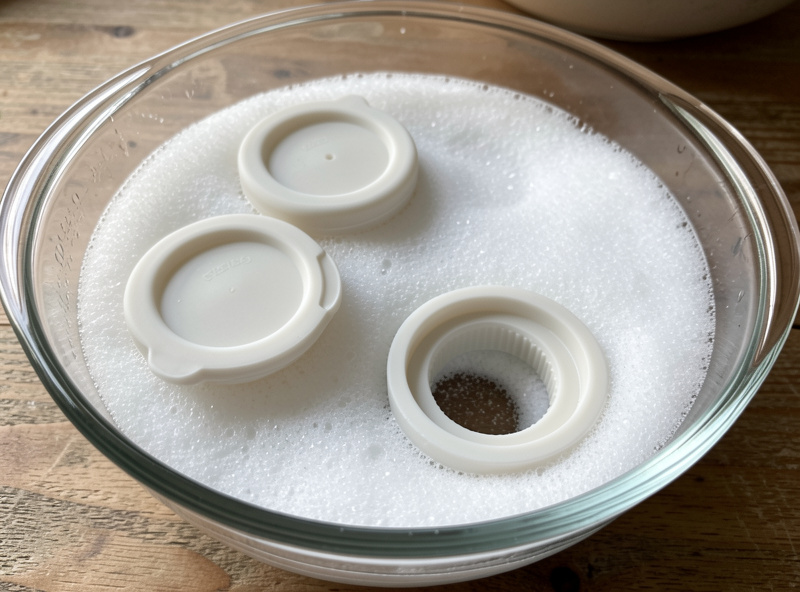
For a jar that held something truly pungent, I fill it to the brim with the baking-soda solution and cap it loosely so the whole interior stays in contact, then leave it overnight. In the morning it rinses to neutral. A citric-acid or white-vinegar rinse is the alternative when the smell has a mineral or mildew edge rather than a garlicky one — acid and alkali tackle different odor chemistries, so if baking soda does not fully clear it, try the acid. The one thing I never use is bleach: it wicks into any porous spot and leaves a residue that fights the next culture, and it is genuinely hard to rinse out of the crock’s unglazed clay. Food-grade baking soda, vinegar, and citric acid do everything bleach would, without putting a chlorine residue anywhere near a living ferment — a point the National Center for Home Food Preservation echoes in its emphasis on clean, well-rinsed equipment for home fermentation.
How Do You Get Garlic and Chili Smell Out of Silicone Lids?
Silicone needs a three-part attack: a long baking-soda or vinegar soak to draw the odor out of the polymer, a scrub, and then hours of direct sunlight, whose UV helps break down the odor compounds the soak leaves behind. One quick wash never works on silicone — the smell lives inside the material, not on it.
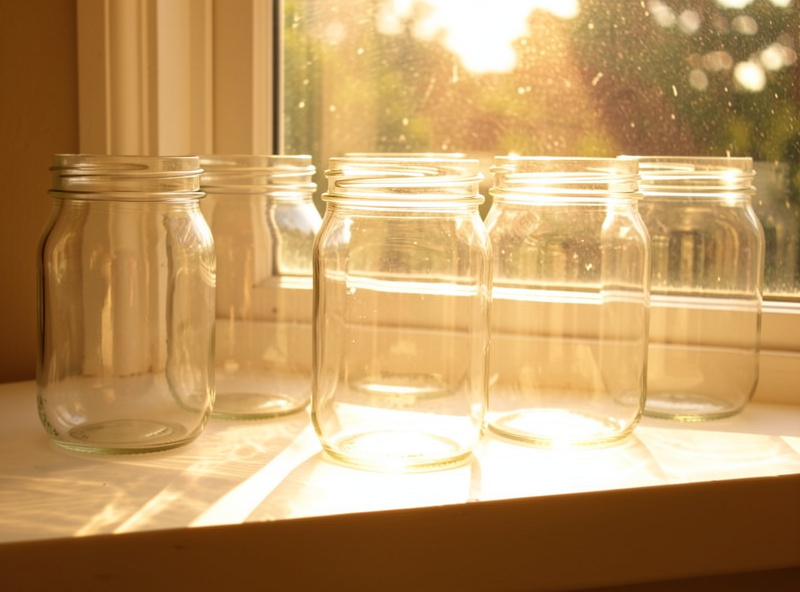
My routine for a garlic-soaked silicone lid is to soak it overnight in a baking-soda solution, scrub it, rinse, and then set it on a sunny windowsill for a full day. The sunlight step is the one people skip and the one that finishes the job — UV degrades many of the volatile organic compounds that give silicone its stubborn retained smell, which is why a lid that still faintly reeks after washing often comes back neutral after an afternoon in the sun. If a soak-and-sun cycle gets it 90% of the way, a second cycle usually finishes it. The practical move, though, is prevention: I keep a dedicated set of silicone lids for alliums and chili so those smells never migrate to a lid I will later use on a kombucha F2 — cross-contaminated smell is cross-contaminated flavor, and a batch of otherwise clean second-ferment kombucha tasting faintly of kimchi is a disappointment you only need once.
What About Plastic Airlocks and Gaskets?
Disassemble plastic three-piece airlocks completely and soak the parts in baking-soda or vinegar solution, paying special attention to the grommet, which is both a smell trap and a hidden mold spot. For rubber gaskets, soak and sun them like silicone — but accept that heavily scratched plastic and compressed old rubber may never fully release a smell.
The mistake with airlocks is cleaning them assembled. The three pieces trap water and residue between them, and the rubber grommet that seals the airlock into the lid hides funk in its seam. I pull everything apart, soak the pieces, and run a narrow brush through the airlock’s channels, because a smelly airlock breathes that smell right over the next ferment. Gaskets get the silicone treatment — soak, scrub, sun — with the understanding that a gasket is a wear part. The through-line to the next section is this: with plastic and rubber, there is a point where deodorizing stops being worth it. For the crock’s own moat and airlock hardware, the descaling and cleaning side is covered in crock moat mold and hard-water scale, since the moat channel collects the same kind of residue these small parts do.
When Does a Smell Mean “Replace It,” Not “Clean It”?
Replace a part when a smell survives two full soak-and-sun cycles, when a rubber gasket has gone hard, cracked, or permanently discolored, or when plastic is visibly scratched and cloudy. These are cheap consumables, and a gasket that permanently holds garlic will taint every future batch no matter how clean the jar around it is.
This is the lesson from my year-long garlic gasket. I kept treating a symptom that was really a worn-out part, and every pickle batch paid for it. A silicone lid or a jar gasket costs little, and replacing one is far cheaper than losing a batch of vegetables to a ghost flavor. My rule now: two honest deodorizing cycles, and if the smell is still there, the part is done. Glass and glazed stoneware almost never hit this point — they clean up indefinitely — which is one more reason I lean on glass and my stoneware crocks for the pungent ferments and treat the soft parts as replaceable. Keep a few spare silicone fermentation lids and gaskets on hand, and retiring a smelly one becomes a two-second decision instead of a compromise you keep tasting.
As an Amazon Associate I earn from qualifying purchases.
Why does my fermentation jar still smell after washing?
Usually the smell is not in the glass jar at all but in the soft parts around it: the silicone or rubber lid, the gasket, or a plastic airlock. Those materials absorb oil-soluble odor compounds that a surface wash cannot reach. Deodorize the soft parts separately with a long soak and sunlight, and the smell that seemed stuck to the jar will disappear.
How do I get garlic or kimchi smell out of silicone lids?
Soak the silicone lid overnight in a baking-soda or vinegar solution, scrub it, rinse, then set it in direct sunlight for a full day. The soak draws odor out of the polymer and the sun’s UV breaks down the compounds left behind. Repeat the cycle if needed. To prevent it, keep a dedicated set of lids for garlic and chili ferments.
Can I use bleach to remove smells from fermentation equipment?
Avoid it. Bleach wicks into porous clay, silicone, and scratched plastic and leaves a chlorine residue that is hard to rinse out and can fight your next culture. Food-grade baking soda, white vinegar, and citric acid remove fermentation smells effectively without leaving anything behind that would harm a living ferment.
When should I replace a fermentation gasket instead of cleaning it?
Replace it when a smell survives two full soak-and-sun cycles, or when the rubber has gone hard, cracked, or permanently discolored. Gaskets are inexpensive wear parts, and one that permanently holds an odor will taint every future batch no matter how clean the jar is. Cleaning a worn gasket is a losing battle.
Keep Building
- Fermentation Crock Care & Cleaning: The Complete Guide
- How to Clean a Stoneware Fermentation Crock Without Soap Residue
- Crock Moat Mold and Hard-Water Scale: Keeping the Seal Clean
- Cleaning Glass and Ceramic Fermentation Weights

About Kenny Nyhus Fadil
A home fermenter documenting brines, bubbles, and the occasional moldy tragedy.
Keep Bubbling
Fermenting in a Cold Kitchen: Warm Spots That Actually Work
How to Sterilize Fermentation Equipment (and When Not To)