Fermented Sodas: The Complete Guide to Wild Fizz

A fermented soda is a sweetened liquid — fruit juice, herbal tea, or sugar water — that a live culture turns fizzy by eating most of the sugar and burping out carbon dioxide. Done right it lands near pH 3.2–3.8, under 2% alcohol, and needs nothing but a jar, a starter, and two to three days. No CO2 tank required.
I run a working fermentation room in Sweden — kraut and kimchi crocks, a continuous-brew kombucha vessel, a live vinegar mother, a koji rotation — and the humblest culture on the bench is the one that makes the best party trick. A cloudy jar of grated ginger and sugar, fed daily for a week, will carbonate a gallon of anything sweet. That is a ginger bug, and it is the engine underneath most of this guide.
Here is the part nobody tells you first: the danger in fermented soda is never the microbes. It is the glass. A sealed bottle full of sugar and a hungry culture will build real pressure, and I have swept a shelf of it off the floor at 6 a.m. more than once. Get the culture, the sugar, and the bottle right and you will never open a can of store soda again. Get the bottle wrong and you get a grenade. This guide covers all three.
What Is a Fermented Soda, Really?
A fermented soda is naturally carbonated by living microbes eating sugar, not by injected gas. You dissolve sugar in a flavored liquid, add a starter culture, seal it, and the culture converts sugar into CO2 that has nowhere to escape — so it dissolves into the liquid as fizz. That is the whole mechanism, and it is the same one that pushes bubbles into Champagne.
This is worth separating from soda-stream water and from kombucha. A SodaStream forces gas into flat water; there is no fermentation and no flavor development. Kombucha ferments tea with a SCOBY and swings sour from acetic acid. A fermented soda sits in the middle: it ferments like kombucha but stays sweeter and less acidic because you bottle it early, while there is still residual sugar and before the acids pile up. Across the batches I have run, a soda I pull at 2–3 days tastes like a lightly sweet, dry, adult version of the fruit it came from — not vinegar.
The three dials that decide everything are the culture, the sugar, and the temperature. The culture sets what organisms do the work. The sugar sets how much fizz and how much residual sweetness you get. The temperature sets speed. Change one and the other two shift with it, which is why a recipe that carbonates in 24 hours in a warm July kitchen can sit dead flat for a week in a cold one. If you internalize nothing else here, internalize that fermentation runs on those three knobs — and my complete guide to fermented drinks beyond kombucha walks the same logic across kefir, kvass, and switchel.
Ginger Bug vs Water Kefir vs Whey: Which Culture Should You Use?
The three home cultures worth knowing are the ginger bug, water kefir grains, and whey — plus back-slopped juice from a previous batch. A ginger bug is the most flexible for flavored sodas, water kefir is the most reliable and fastest, and whey is the cheapest because you already have it. I keep all three alive and reach for a different one depending on the batch.
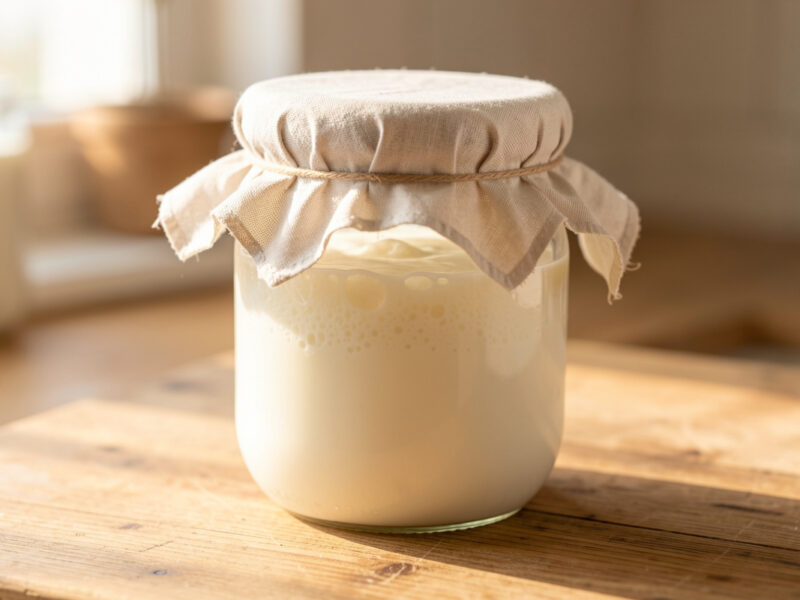
A ginger bug is a wild culture of yeast and Lactobacillus captured on the skin of fresh ginger. You build it from grated ginger, sugar, and dechlorinated water, feeding it daily until it fizzes — roughly 5–7 days at room temperature. It gives sodas a clean, dry, slightly gingery lift and it will carbonate almost any sweet liquid. Full build-and-maintain steps are in my guide to making and maintaining a ginger bug starter.
Water kefir grains are translucent, cauliflower-like colonies (technically a SCOBY of bacteria and yeast) that you feed sugar water. They are the racehorse: consistent, fast, and they roughly double in volume each week if you feed them well. Because they are a fixed culture rather than a wild capture, batch-to-batch results barely vary. If you want a starting rig, my water kefir guide for beginners covers the first fizzy batch, and because these grains are fussy about minerals, read which water to use for water kefir grains before you kill a colony with distilled water.
Whey — the clear liquid that pools on top of plain yogurt — carries live Lactobacillus and makes a fast, tangy lacto-soda. It is how the classic lacto-fermented lemonade gets its fizz in about two days. The trade-off is a faint dairy note some people taste and it lacks the yeast that ginger bugs and kefir bring, so carbonation is gentler.
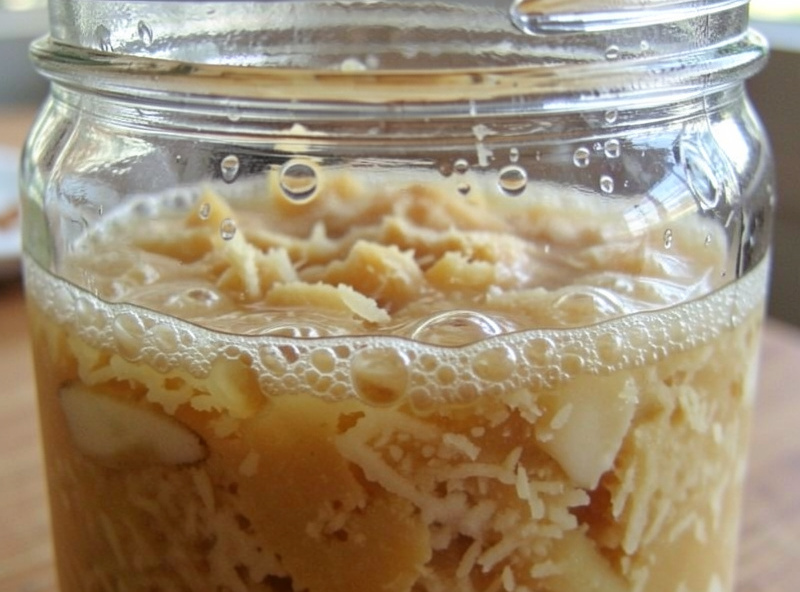
Here is how I compare them on the bench. These times assume a room around 70°F (21°C); every one of them speeds up in summer and stalls when the kitchen drops below 65°F.
| Culture | Setup time | Carbonation speed (F2) | Reliability | Flavor signature | Best for |
|---|---|---|---|---|---|
| Ginger bug | 5–7 days to build | 2–3 days | Good once established | Clean, dry, faintly spicy | Fruit and root sodas |
| Water kefir grains | 1–2 days to activate | 1–2 days | Very high | Neutral, light, wine-like | Weekly volume, beginners |
| Whey | Instant (strain yogurt) | 2–4 days | Moderate | Tangy, faint dairy | Lemonade, quick lacto sodas |
| Back-slop (prior batch) | Instant | 1–3 days | Moderate, drifts over time | Matches parent batch | Keeping a flavor going |
| Champagne yeast (EC-1118) | Instant | 1–2 days, aggressive | High but very dry | Bone-dry, higher alcohol | Hard sodas, big fizz |
The last row is a warning as much as an option. I keep a sachet of EC-1118 on the bench for the occasional hard-kombucha experiment, and it will absolutely carbonate a soda — but it eats sugar so completely and so fast that it will strip the sweetness, push the alcohol up past soda territory, and overpressure a bottle in a day. For a family-friendly soda, stick to the top three cultures.
How Does Wild Carbonation Actually Work?
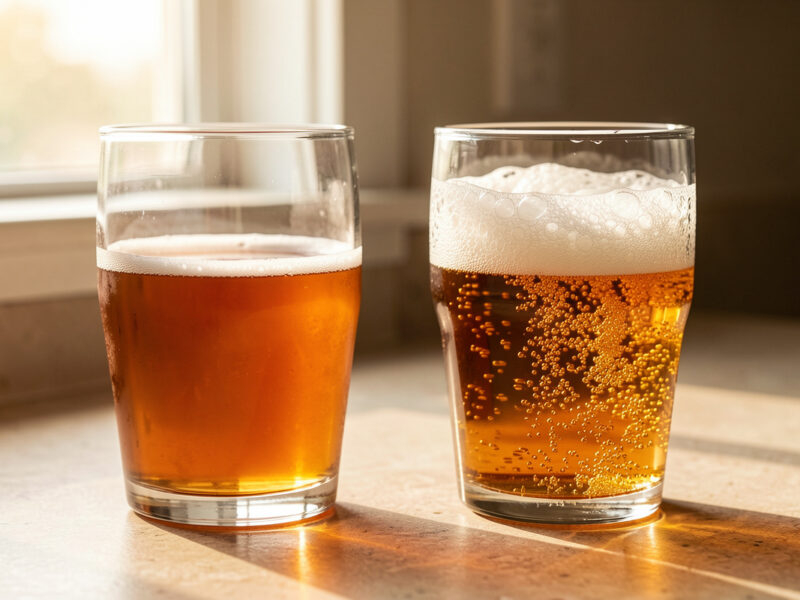
Carbonation happens in a sealed vessel where the culture is still eating sugar and the CO2 it produces cannot escape, so it forces itself into solution as dissolved gas. This second stage is the one that makes fizz. Ferment in an open or airlocked jar and the gas walks out the top; ferment in a capped bottle and the gas stays in the liquid. That is the entire secret of the two-stage method.
Fermenters borrow the kombucha shorthand for the two stages: F1 and F2. In F1 you culture the sweet liquid loosely covered for a day or two to build a strong, active population — this is flavor and acid development with the lid off or on an airlock. In F2 you bottle it sealed, trap the gas, and let pressure build for another 1–3 days. Skipping F1 and bottling raw is the single most common reason a soda comes out flat: the culture isn’t dense enough yet to gas up a sealed bottle before you drink it. The same F1/F2 rhythm drives flavoring kombucha in second fermentation, and the parallel is exact.
The chemistry is unglamorous and reliable. Yeast and Lactobacillus consume simple sugars and exhale CO2; as a rough figure, about 17 grams of sugar per liter fully fermented yields roughly 1% alcohol and a proportional slug of gas. That number is why sugar control matters so much — leave too much and you overpressure, leave too little and you get no fizz. I cover the exact bottling-sugar math in the piece on controlling sugar and carbonation in natural sodas.
What Sugar Do Natural Sodas Need?
Fermented sodas need real, fermentable sugar — cane sugar, fruit juice, or a mix — in the range of roughly 5–10% by weight, which is about 50–100 grams per liter. The culture eats most of it; you bottle while enough remains to carbonate and leave a hint of sweetness. Sugar substitutes that the microbes cannot digest will not carbonate at all, which is a mistake I have watched beginners make and blame on a “dead” culture.
On my 0.1 g scale, a workable default for a quart of fruit soda is 50 g of white sugar dissolved into the juice plus a quarter cup of active ginger bug. Cane sugar is the most predictable food source. Honey works but partially inhibits some bacteria — it is what makes jun, the honey-fed cousin of kombucha, its own distinct culture. Maple syrup, molasses, and unrefined sugars all ferment but drag their own flavors along, which can be lovely in a root soda and muddy in a delicate berry one.
What does not work: stevia, erythritol, monk fruit, sucralose. Microbes cannot metabolize them, so they add sweetness for your tongue but zero food for the culture — the bottle stays flat forever. If you want a lower-sugar soda, the honest route is to ferment longer so the culture eats more of the real sugar, then back-sweeten to taste right before drinking and refrigerate immediately.
How Do You Bottle a Fermented Soda Without Bombs?
You bottle in pressure-rated vessels, you burp or refrigerate on a schedule, and you never seal a soda and forget it on a warm counter. A fermented soda in a sealed bottle at room temperature keeps building pressure until the sugar runs out — and a standard swing-top can hold roughly 30–50 psi before the seal fails or the glass gives. That is genuine, glass-throwing pressure, and it is the one part of this hobby where I refuse to be casual.
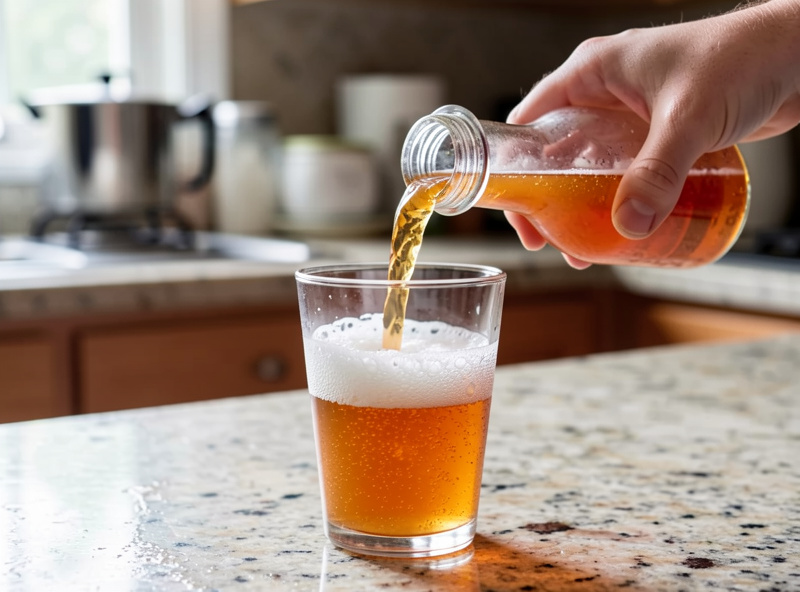
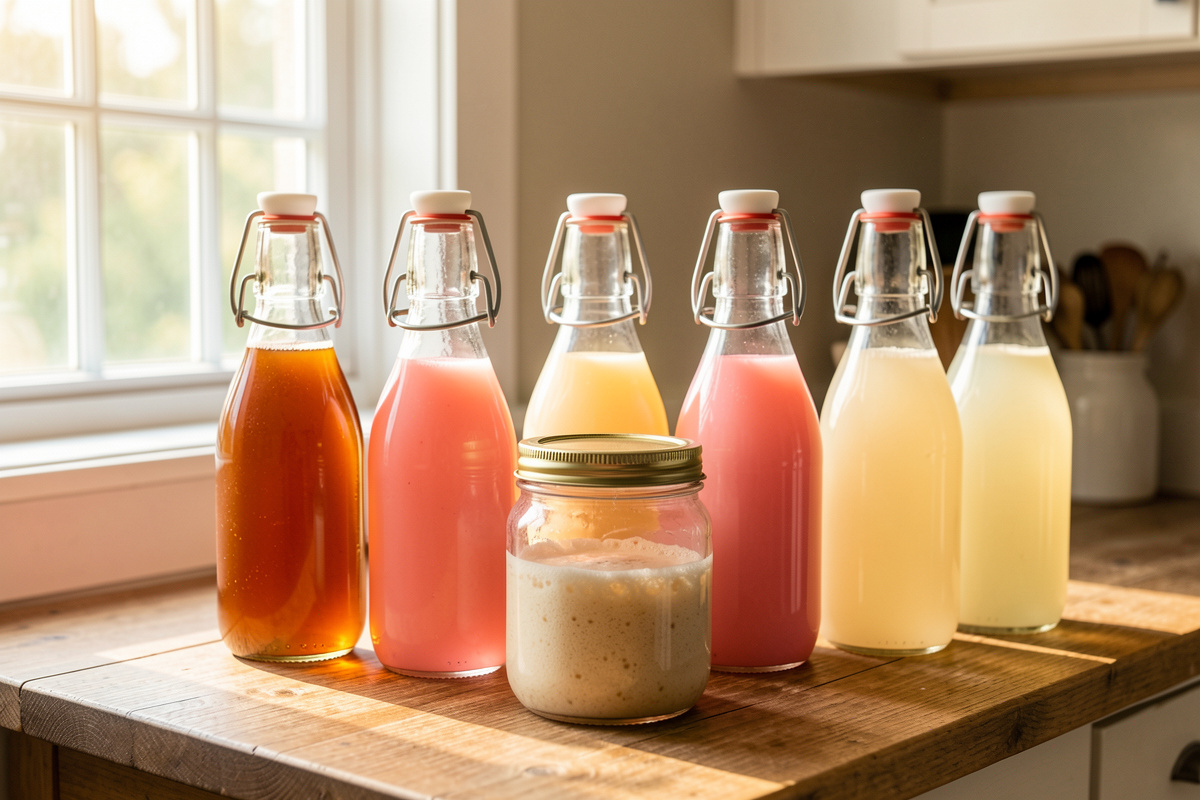
My working rules are simple. Bottle in real pressure vessels — swing-top (Grolsch-style) bottles or heavy PET soda bottles, never repurposed jam jars or mason jars with flat lids. Keep one plastic bottle in every batch as a pressure gauge: when it goes rock-hard, the whole batch is carbonated and it is time to refrigerate. And cold-crash on schedule — moving bottles to the fridge slows the culture to a crawl and effectively stops pressure from climbing further. The full method, including the burp cadence and how to spot an over-carbonated bottle before you open it, is in bottle-conditioning fermented soda without exploding bottles. Which vessel to actually buy — swing-top glass versus PET versus thick beer bottles — is the whole subject of the best bottles for fermented soda.
I learned the plastic-bottle trick the hard way. Early on I bottled a batch of strong ginger soda entirely in swing-tops, left them two days in a July kitchen that hit 28°C, and came down to one blown seal, a sticky ceiling, and glass in the sink. Now every batch has its canary bottle, and I have not lost one since. The feel of that PET bottle — squeeze it daily, and the day it stops denting is the day you move everything cold — is worth more than any timer.
Why Is My Fermented Soda Flat?
A flat soda almost always means one of four things: the culture was too weak, the temperature was too cold, there wasn’t enough fermentable sugar left at bottling, or the seal leaked. Fix the input, not the recipe — a “dead” batch is usually a stalled one, and stalls are almost always cold or under-fed, not truly dead. I have revived more sluggish sodas than I have thrown away.
The fastest diagnosis is temperature. Below about 65°F (18°C) yeast slows dramatically, and a soda that would carbonate in two days on a warm counter can sit for a week doing nothing. Move it somewhere warm — the top of the fridge, a seedling heat mat set low, a cupboard near the oven — and most “flat” sodas wake up. The second check is culture strength: bottle from a bug or grains that were actively fizzing, not one you pulled straight from the fridge. My full troubleshooting tree, including seal tests and the back-sweeten-to-restart trick, lives in why my fermented soda is flat and how to get fizz — and the same logic that fixes flat kombucha, in why your kombucha isn’t fizzy, transfers directly.
What Flavors Can You Ferment Into Soda?
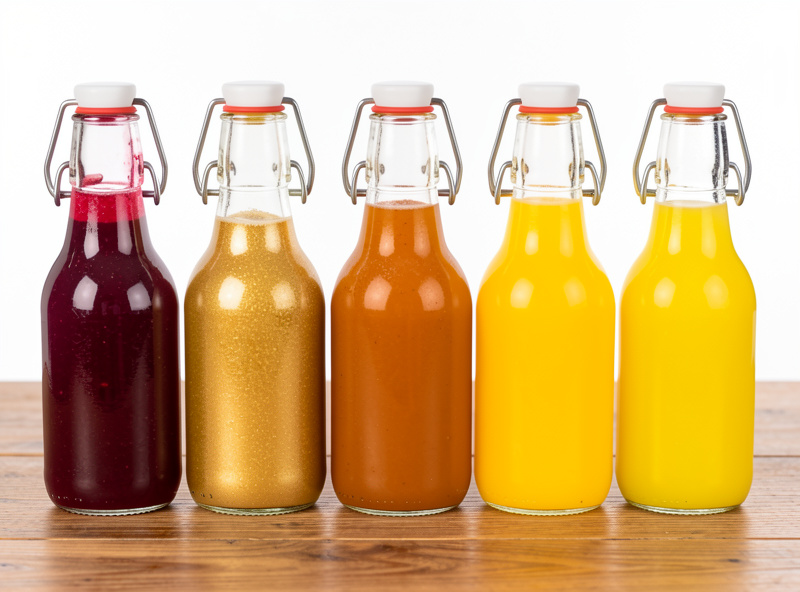
Almost anything sweet and safe carbonates: fruit juices, herbal teas, root decoctions, and spice infusions. The culture doesn’t care what the sugar tastes like, so the flavor world is wide open — the constraints are that the base must have fermentable sugar (or you add some) and it must not contain enough antimicrobial oils to stall the culture. I split my soda flavors into two families: fruit and botanical.
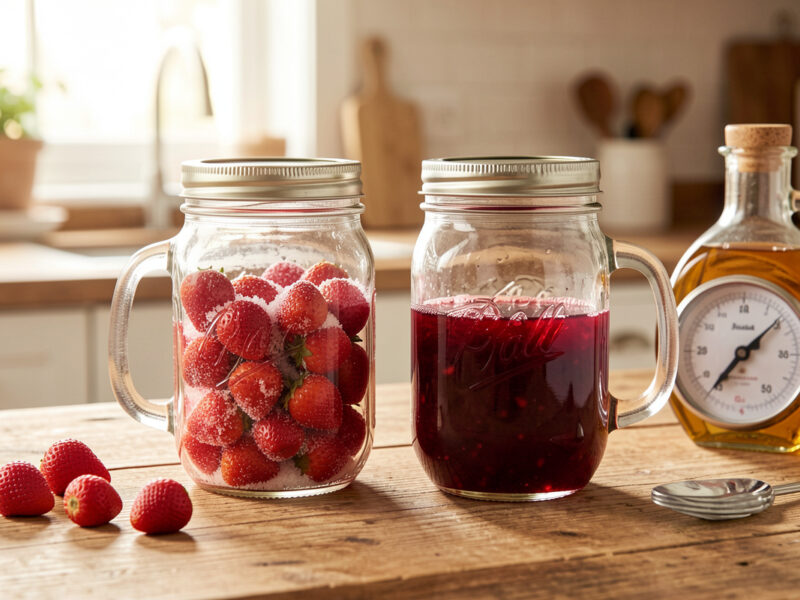
Fruit sodas are the crowd-pleasers — berry, apple, citrus, stone fruit, and pineapple. They carbonate fast because fruit brings its own sugar and wild yeast; a mashed-berry-and-ginger-bug soda is fizzing hard in 48 hours. The classic gateway is tepache, fermented pineapple in four days, which needs no separate culture at all. The full range of berry, apple, and citrus builds — including which fruits over-carbonate and need a shorter F2 — is in fermented fruit sodas: berry, apple, and citrus flavors.
Botanical sodas are the old-world root beers and tonics: sarsaparilla, birch, dandelion, sassafras-substitute, ginger, and herb blends. These start as a strong tea or root decoction, get sweetened, and then get a ginger bug to carbonate them. They are how homemade root beer and old-fashioned “small beers” were made before commercial CO2. The recipes and the safe-plant notes are in herbal and root sodas: sarsaparilla, birch, and dandelion. And if you want the ancestor of all of them, my ginger beer fermentation guide takes a single bug from build to bottle.
Is Fermented Soda Safe? pH, Alcohol, and Mold
Fermented soda is one of the safer things you can make at home because the culture rapidly acidifies it below the danger zone. The pathogen floor for shelf-stable ferments is pH 4.6; a working fruit or ginger soda lands well under it, typically pH 3.2–3.8, within a day or two as Lactobacillus drops the acidity. That acidity, plus the competitive pressure of a dense culture, is what keeps spoilage organisms out. On my calibrated pH meter I have never seen a properly cultured soda hang above 4.0 by the time it’s fizzy.
Two real things to watch. First, mold versus kahm yeast: a thin, flat, wrinkly white film on an open F1 jar is kahm yeast — harmless, skim it and carry on. Anything fuzzy, raised, and colored — green, black, pink — is mold, and that batch goes in the bin, no debate. That distinction is the same one I make on every kraut crock, and I cover it across ferments in detail elsewhere on the site. Second, alcohol: wild sodas typically finish between 0.5% and 2% ABV — low, but not zero. A long, warm, sugar-heavy ferment can climb higher, which matters if you’re serving kids. Refrigerate early and ferment cooler to keep alcohol down.
The one hard line is botulism, and the good news is sodas are essentially immune to it: Clostridium botulinum cannot grow below pH 4.6, and a fermented soda blows past that floor almost immediately. The risk in this hobby is mechanical — the bottle — not microbial. Respect the pressure, keep the culture healthy, trust your pH meter or strips, and fermented soda stays firmly in the safe, delicious column.
How Long Does a Fermented Soda Take, Start to Finish?
From a standing start with no culture, a fermented soda takes about 7–10 days: 5–7 days to build a ginger bug, one to two days of F1, and one to three days of F2 carbonation. Once you have a live culture on the bench, that collapses to roughly 3–4 days total. The bug is the slow, one-time investment; after that, soda is a mid-week project, not a fortnight one.
Here is the honest timeline as I actually run it. Days 1–6: feed the ginger bug daily — a tablespoon each of grated ginger and sugar into dechlorinated water — until it fizzes and smells yeasty-sharp rather than raw. Day 7 morning (F1): stir a quarter cup of that active bug into a quart of sweetened juice or cooled herbal tea, cover loosely, leave it on the counter. Day 8 (bottle): once you see fine bubbles rising in the F1 jar, funnel it into swing-tops and one PET canary bottle, seal, and leave at room temperature. Days 8–10 (F2): squeeze the canary daily; when it’s rock-hard, refrigerate the whole batch overnight before opening.
Temperature stretches or compresses every one of those numbers. In my Swedish kitchen a winter batch near 17°C can double those F1 and F2 windows, while a July batch at 27°C can be dangerously over-carbonated in 24 hours. That is why I trust the canary bottle over the calendar every single time — the physical firmness of the plastic tells me where the ferment actually is, not where a recipe says it should be. Cold-crashing before opening isn’t just for safety, either: chilled liquid holds far more dissolved CO2, so a soda that seems softly carbonated warm will foam beautifully once it’s been cold overnight.
What Gear Do You Actually Need to Start?
The true minimum is a jar, pressure-rated bottles, and a way to dechlorinate water — maybe €20 all in. But the gear that turns fermentation from folklore into a controlled process is a scale and a pH meter, and those two tools are the reason this site treats soda as measurement rather than magic. You can start without them; you’ll get consistent, repeatable, safe results faster with them.
My soda-specific kit is short. A 0.1 g kitchen scale, because I calculate every sugar addition by weight rather than by the wildly inconsistent “cup” — a packed cup of sugar can vary 15% batch to batch, and that swing is the difference between flat and a bottle bomb. A calibrated pH meter with backup strips, so I can confirm a batch has dropped under 4.0 before I trust it. Swing-top bottles plus PET canary bottles. A funnel and fine strainer for getting fruit pulp out before bottling. And for anyone running several ferments at once, I keep the same Govee temperature controller I use on the koji incubator ready to hold a warm cupboard steady in winter — overkill for one jar, a genuine consistency upgrade for a shelf of them.
What you don’t need: a CO2 tank, a kegging rig, or any of the pressurized hardware the hobby’s gearheads accumulate. Force-carbonation is a separate craft — I do keg and force-carbonate kombucha off my continuous-brew output, and my guide to kegging kombucha with CO2 covers that rig — but it is the opposite philosophy from a wild soda. The whole point of a fermented soda is that a two-euro jar of ginger and sugar does the work a €200 gas system does, and does it with more flavor.
What I’d Do Starting Today
If you’re starting from an empty counter, build a ginger bug this week — grated ginger, sugar, dechlorinated water, fed daily — and while it wakes up, buy a six-pack of swing-top bottles and keep one PET bottle as your pressure canary. In seven days you’ll have a culture that can carbonate anything sweet, and a bottling setup that won’t put glass in your sink.
Then make the easy win first: a quart of apple juice or mashed berries with 50 grams of sugar and a quarter cup of bug, two days on the counter, one day cold. That first hiss when you crack the seal is the moment this hobby hooks people. From there the whole cluster below is a menu — pick the culture, dial the sugar, choose the flavor, and let Lactobacillus and a little wild yeast do the rest. The same patience that watches a sourdough starter rise watches a soda gas up; fermentation is the meta-skill, and soda is the most instantly rewarding place to practice it.
As an Amazon Associate I earn from qualifying purchases. When I need more bottles I search swing-top glass bottles and keep a few PET soda bottles on hand as pressure gauges.
Keep Building
- How to Make and Maintain a Ginger Bug Starter
- Bottle-Conditioning Fermented Soda Without Exploding Bottles
- Best Bottles for Fermented Soda: Swing-Top vs Plastic vs Glass
- Fermented Fruit Sodas: Berry, Apple, and Citrus Flavors
- Why My Fermented Soda Is Flat and How to Get Fizz
- Controlling Sugar and Carbonation in Natural Sodas
- Herbal and Root Sodas: Sarsaparilla, Birch, and Dandelion
What is the difference between a fermented soda and kombucha?
Both are wild-fermented, but a fermented soda is bottled early while it is still sweet and only lightly acidic, landing around pH 3.2 to 3.8, while kombucha ferments longer with a SCOBY and turns sour from acetic acid. Sodas use ginger bugs, water kefir, or whey rather than a kombucha SCOBY.
How much alcohol is in a homemade fermented soda?
Wild fermented sodas usually finish between 0.5 and 2 percent ABV. As a rule of thumb about 17 grams of sugar per liter fully fermented yields roughly 1 percent alcohol. Fermenting cooler and refrigerating early keeps the alcohol on the low end, which matters if children will drink it.
Can I make fermented soda without a special culture?
Yes. Tepache from pineapple and lacto-lemonade from whey both carbonate without buying grains. But a ginger bug or water kefir gives far more consistent fizz across many flavors, so most people build a ginger bug once and use it for everything.
Why does my fermented soda have no fizz?
The four usual causes are a weak culture, a kitchen below 65 degrees Fahrenheit, too little fermentable sugar at bottling, or a leaking seal. Most flat sodas are simply cold-stalled, not dead. Move the bottles somewhere warm and they usually wake up within a day.
Is fermented soda safe to make at home?
Yes, when bottled correctly. The culture drops the pH below the 4.6 pathogen floor within a day or two, so botulism cannot grow. The real hazard is mechanical: sealed bottles build genuine pressure, so use pressure-rated swing-top or PET bottles and refrigerate once carbonated.

About Kenny Nyhus Fadil
A home fermenter documenting brines, bubbles, and the occasional moldy tragedy.