Why My Fermented Soda Is Flat and How to Get Fizz

A fermented soda that won’t carbonate is almost always suffering from one of four things: a kitchen that’s too cold, a culture that’s too weak, not enough fermentable sugar left at bottling, or a bottle that isn’t sealing. The single most common cause is temperature — below about 65°F (18°C), yeast slows to a crawl and a soda that should fizz in two days can sit dead for a week.
Here’s the reassuring part: a “flat” soda is almost never truly dead. It’s stalled. Over years of running ginger bugs and water kefir in a cool Swedish kitchen, I’ve revived far more sluggish batches than I’ve ever thrown away, and the fix is usually as simple as moving the bottles somewhere warm. The culture is still alive in there; it just needs the right conditions to wake up and get to work.
This is a diagnostic walk-through. We’ll go through the four causes in the order you should check them, then cover how to rescue a batch that’s already flat and how to stop it happening next time. If you’re brand new to the process, the complete fermented soda guide lays out the whole method the fixes below plug into.
Why Do Fermented Sodas Go Flat?
Sodas go flat because carbonation depends on live microbes eating sugar inside a sealed bottle, and anything that stops them eating — cold, weakness, no food — or lets the gas escape — a bad seal — kills the fizz. Carbonation isn’t a step you perform; it’s a byproduct of active fermentation continuing in a closed vessel. Remove the activity or open a leak and there’s no gas.
That framing tells you exactly what to check. For the culture to carbonate a bottle it needs three things working together: warmth so the yeast is active, a strong enough population to build gas fast, and residual sugar to eat. And the bottle needs to actually trap what they produce. Miss any one and you get a flat soda, which is why diagnosing it is a process of elimination through those four factors rather than a single yes-or-no answer. Work them in order of likelihood and you’ll almost always land on the culprit within a day.
Is It Too Cold? (The Most Common Cause)
Temperature is the first thing to check because cold is the number-one reason home sodas won’t carbonate. Yeast activity drops sharply below about 65°F (18°C) and nearly stops near refrigerator temperatures, so a bottle sitting in a cool room or a draughty pantry can look completely inert while the culture inside is merely dormant, not dead. Warm it up and it usually wakes within a day.
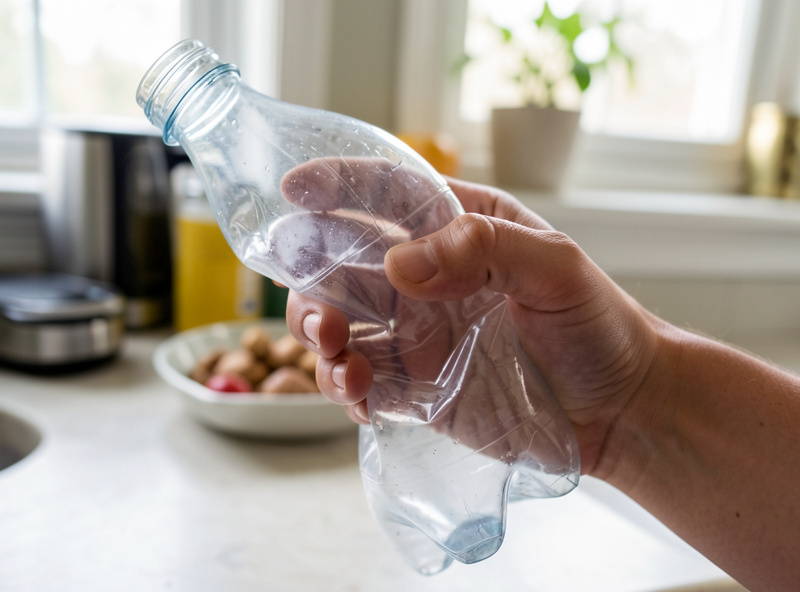
The ideal carbonation range is roughly 68–78°F (20–26°C). If your kitchen runs cooler — mine certainly does through a Swedish winter — you need to find a warm microclimate. The top of the refrigerator, where the compressor throws off gentle heat, is my go-to; a cupboard above or beside the oven works; and a seedling heat mat set on its lowest setting under a towel gives steady, controllable warmth. Move your flat bottles somewhere warm, wait a day, and squeeze the plastic gauge bottle. Nine times out of ten in my kitchen, a “failed” batch is just a cold batch, and warmth alone brings it back. Don’t overshoot, though — above about 85°F you start pushing alcohol and off-flavors up faster than clean fizz.
Is Your Culture Strong Enough?
If warmth doesn’t wake it, the culture was probably too weak when you bottled. You need an actively fizzing starter — a ginger bug bubbling within hours of a feed, or lively water kefir grains — not one pulled straight from the fridge or one that hasn’t been fed in days. A sluggish culture simply can’t build a dense enough population to gas a sealed bottle before you give up on it.
This was my own early mistake: I once bottled a whole batch using a ginger bug straight out of cold storage, assumed it was fine because it had worked before, and got seven bottles of flat juice. The bug wasn’t dead — it just hadn’t been reactivated. Now I always confirm the starter is vigorously fizzing before it goes anywhere near a bottling session. If your culture seems weak, feed it and let it come back to full activity first; my guide to making and maintaining a ginger bug starter covers waking a fridge-stored bug over two or three days of feeding. Chlorinated tap water is a quieter culprit here too — the chlorine and especially chloramine that utilities add to drinking water (see the EPA on disinfection) suppress the very microbes you’re trying to grow, so if you built or fed your culture on straight tap water, that alone can leave it too weak to carbonate.
Did You Have Enough Sugar Left at Bottling?
Carbonation needs residual fermentable sugar in the bottle for the culture to eat, and if you fermented the F1 stage too long the microbes may have already consumed most of it before you sealed the bottles. A soda that’s fermented bone-dry has no fuel left to make gas in the bottle. This is the trap people fall into when they let the first fermentation run for a week chasing sourness.
The fix is to bottle earlier, while the soda still tastes lightly sweet, or to add a measured dose of sugar at bottling to guarantee food for the F2 carbonation. On my 0.1 g scale I’ll stir in a teaspoon or two of sugar per bottle — roughly 4–8 grams — when I’m unsure there’s enough left, which reliably restarts gas production. Remember also that sugar substitutes don’t work at all here: stevia, erythritol, and monk fruit sweeten your tongue but feed no microbes, so a soda made or “sweetened” with them will never carbonate. The National Center for Home Food Preservation (nchfp.uga.edu) is a solid reference for the safety side of home fermentation while you dial this in. Precisely how much sugar to leave or add for a given fizz level is the whole subject of the sugar-and-carbonation piece linked at the end.
Is the Bottle Actually Sealing?
If the culture is warm, strong, and fed but the soda is still flat, suspect the seal — a bottle that leaks gas will never build pressure no matter how hard the microbes work. The usual offenders are a perished swing-top gasket, a chipped glass lip, an under-tightened cap, or a bottle that was never pressure-rated in the first place. The gas is being made; it’s just escaping.
Test it directly. Fill a clear PET plastic bottle from the same batch and seal it: if the plastic firms up over a day or two while your glass bottles stay flat, the culture is fine and your glass bottles are leaking. Check swing-top gaskets for cracks and hardness, run a finger around each glass lip for chips, and make sure caps are fully seated. The bottle you choose matters more than people expect, which is why I wrote a whole guide on the best bottles for fermented soda — and why the plastic-gauge trick from bottle-conditioning fermented soda safely is the fastest way to separate a seal problem from a culture problem.
Have You Actually Given It Enough Time?
Before you diagnose anything, make sure you haven’t simply been impatient — carbonation isn’t instant, and plenty of “flat” sodas are just early. In a warm kitchen a strong batch can fizz in 24 hours, but 2–3 days is normal and a cool room can stretch it to four or five. Opening a bottle on day one and finding it still tastes like flat juice is expected, not a failure.
The trap is judging by the calendar instead of the gauge. I’ve watched beginners crack a bottle after 18 hours, hear no hiss, and declare the whole batch dead — then dump soda that would have been perfect two days later. This is exactly why the plastic gauge bottle earns its place: instead of opening a good bottle to check (and losing whatever fizz has built), you squeeze the plastic and read the pressure without breaking a single seal. Give a room-temperature batch a full three days before you start troubleshooting, and let the gauge, not the clock, tell you when it’s genuinely stalled.
How Do You Rescue a Flat Batch?
To rescue a flat batch, warm it, feed it, and reseal it in a proven bottle — in that order. Move the bottles to a warm spot for 24–48 hours first, since cold is the likeliest cause and warmth alone fixes most stalls. If nothing happens, open each bottle, stir in a teaspoon of sugar and a splash of active starter, reseal, and give it another warm day or two.
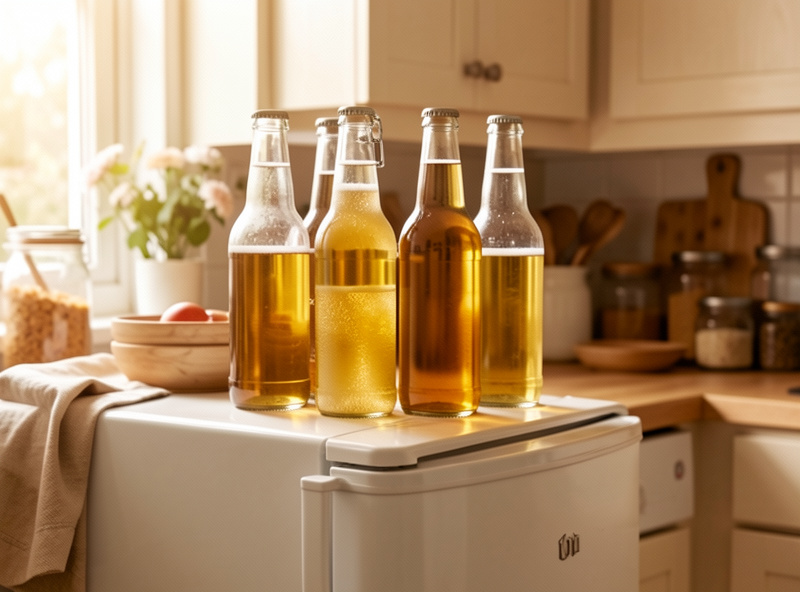
The re-yeasting trick works because you’re re-supplying both the population and the food that were missing. A splash of vigorously fizzing ginger bug or a pinch of the sediment from a working batch reintroduces active microbes; the sugar gives them something to eat. I’ve brought back plenty of “dead” bottles this way — the giveaway that it’s working is the plastic gauge starting to firm up again within a day. Keep one plastic bottle in the rescued batch so you can watch pressure return without opening everything. And once it’s carbonating, don’t forget the other direction: warm rescued bottles can over-carbonate fast, so cold-crash them the moment the gauge goes hard. The same warm-it-and-feed-it logic rescues flat kombucha too, which I cover in why your kombucha isn’t fizzy.
How Do You Prevent Flat Soda Next Time?
Prevent flat soda by bottling from an actively fizzing culture, into pressure-rated bottles with good seals, in a warm room, while the liquid still tastes sweet. Nail those four and carbonation is nearly automatic. Most flat batches come from getting casual about one of them — a cold kitchen, a lazy starter, an over-fermented base, or a tired gasket.
My standing routine bakes in all four. I confirm the ginger bug is bubbling hard before I start, I bottle while there’s obvious residual sweetness, I use swing-tops with fresh gaskets plus one PET gauge, and in winter I move the batch straight onto the warm top of the fridge. That combination has all but eliminated flat batches for me. When a soda does stall, I don’t panic and I don’t dump it — I warm it, feed it, and wait, because the culture is patient and so, mostly, is the fix. A flat soda is a puzzle with four pieces, and you can almost always find the missing one.
Related Reading
- Fermented Sodas: The Complete Guide to Wild Fizz
- How to Make and Maintain a Ginger Bug Starter
- Bottle-Conditioning Fermented Soda Without Exploding Bottles
- Best Bottles for Fermented Soda: Swing-Top vs Plastic vs Glass
Why is my fermented soda not carbonating?
The four usual causes are a kitchen colder than 65 degrees Fahrenheit, a weak or under-fed culture, too little fermentable sugar left at bottling, or a bottle that is not sealing. Check them in that order. Most flat sodas are simply cold-stalled and wake up once moved somewhere warm.
Can I still save a flat fermented soda?
Almost always. A flat soda is usually stalled, not dead. Move the bottles to a warm spot for a day or two, and if nothing happens, open each one, stir in a teaspoon of sugar and a splash of active starter, reseal, and wait another warm day. Keep a plastic gauge bottle to watch pressure return.
What temperature does fermented soda need to carbonate?
Roughly 68 to 78 degrees Fahrenheit is ideal. Below 65 degrees the yeast slows dramatically and carbonation stalls, while above about 85 degrees you get more alcohol and off-flavors. In a cool kitchen, use the warm top of the fridge or a seedling heat mat on low.
Does sugar-free soda carbonate?
No. Sugar substitutes like stevia, erythritol, and monk fruit sweeten your tongue but cannot be metabolized by the microbes, so they provide no food for carbonation. Fermented sodas need real fermentable sugar or fruit juice, and if you want it less sweet you ferment longer rather than using substitutes.
How do I know if the problem is my culture or my bottle?
Fill a clear plastic bottle from the same batch and seal it. If the plastic firms up over a day or two while your glass bottles stay flat, the culture is fine and the glass bottles are leaking through worn gaskets or chipped lips. If even the plastic stays soft, the problem is the culture or temperature.

About Kenny Nyhus Fadil
A home fermenter documenting brines, bubbles, and the occasional moldy tragedy.
Keep Bubbling
Fermenting Alcohol at Home: A Complete Guide to Beverage Ferments
Shrubs, Switchel and Drinking Vinegars: The Complete Guide