Switchel: The Original Ginger-Vinegar Refresher

Switchel is a cold, tart, ginger-and-vinegar refresher made from four things: water, cider vinegar, a dark sweetener like molasses or honey, and plenty of fresh ginger. Stir it together, let the ginger steep an hour or overnight, and drink it over ice. It carries no macerated fruit, which makes it the fastest drinking vinegar you can make — and the one American farmhands drank by the bucket during haying season, long before any sports drink existed.
I keep a jar of it going all summer next to my shrubs, and it earns its place for a different reason than they do. A shrub is a project; switchel is a fifteen-minute answer to a hot afternoon. The vinegar gives it a bracing tang, the ginger a warming bite, and the molasses a mineral depth that plain sugar never delivers. Get the ratio dialed and it’s genuinely more refreshing than anything sweet — the acid does the work. Here’s exactly how I build it, the sweetener choices that change its character, and where the ginger line sits before it turns from lively to punishing.
What Is Switchel and Where Did It Come From?
Switchel is a vinegar-based thirst quencher that dates to the colonial-era and 19th-century American and Caribbean farm kitchen, where it was mixed up in large batches and drunk cold in the fields during hay harvest — earning it the nickname “haymaker’s punch.” The formula was always the same handful of shelf-stable ingredients: water, vinegar, a sweetener, and ginger. No refrigeration, no fresh fruit, nothing that spoils in a wagon.
What makes it work as hydration is the balance. The vinegar and ginger stimulate thirst and cut through heat, while the sweetener replaces energy and the whole thing goes down easy because the acid keeps it from being cloying. It’s the direct ancestor of the modern electrolyte drink, minus the marketing. I treat it exactly as it was meant to be treated: a working beverage, not a dessert. If you want the wider context of how switchel fits alongside shrubs and other drinking vinegars, that’s laid out in the complete guide to shrubs, switchel, and drinking vinegars.
How Do You Make Switchel? The Base Recipe
My working base for a liter of switchel: 1 liter of water, 60 ml of apple cider vinegar, 40 to 60 grams of molasses or honey, and 20 to 30 grams of fresh ginger, finely grated. Combine, stir until the sweetener dissolves, and let it steep at least an hour — overnight in the fridge is better. Strain out the ginger if you like it clean, or leave it in for more bite. Serve cold over ice.
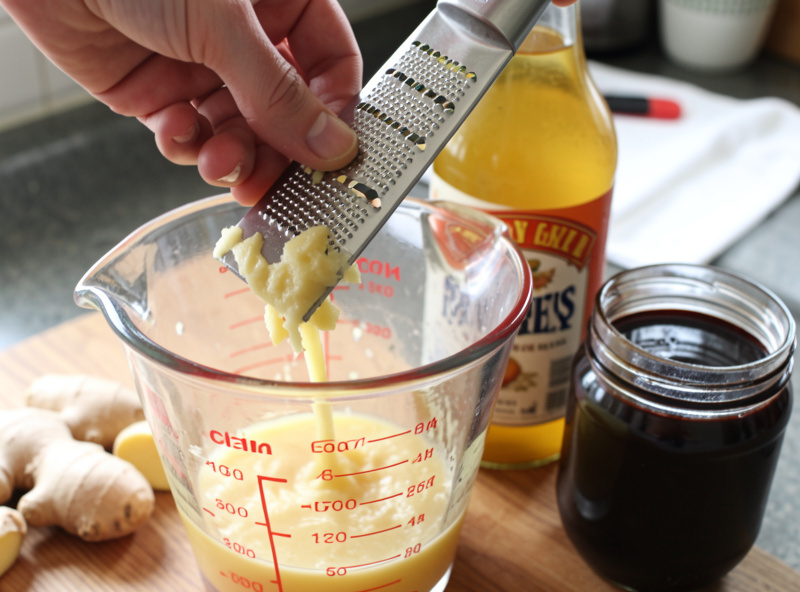
A few habits from making it dozens of times. Grate the ginger rather than slicing it — more surface area means faster, fuller extraction, so an hour gets you what slices need all day to give. Use unchlorinated water; chlorine flattens the ginger’s brightness the same way it stalls a ferment, which is why I run mine through the same dechlorinated water I use for fermenting. And dissolve molasses in a little warm water first if it’s being stubborn, then top up cold. The finished drink should read tart-forward with a warming ginger finish — if it tastes flat, it needs more vinegar, not more sugar.
Unlike a shrub, switchel isn’t a concentrate — you’re making the finished drink, at drinking strength, in one step. That also means it doesn’t keep like a shrub syrup. Refrigerated, a batch holds two to three weeks; after that the ginger fades and it’s worth making fresh. I mix a liter or two at a time and rarely have it linger.
Which Sweetener Should You Use in Switchel?
Traditional switchel leans on molasses for its mineral, almost savory depth, but honey, maple syrup, and brown sugar all make excellent and distinct versions. The sweetener is where you steer the drink’s whole personality, so it’s worth understanding what each brings before you commit a batch.
| Sweetener | Flavor it brings | Best for | Notes |
|---|---|---|---|
| Blackstrap molasses | Deep, mineral, bittersweet | The traditional haymaker’s version | Use a lighter hand; it dominates fast |
| Honey | Floral, soft, rounded | A gentler, more delicate switchel | Dissolves best in warm water first |
| Maple syrup | Warm, caramel, woodsy | Autumn batches, pairs with ginger | Grade B or dark gives more character |
| Brown sugar | Clean sweet with light molasses note | An accessible everyday version | The easy pantry default |
I run molasses when I want the historically accurate, mineral-heavy drink and honey when I want something lighter for a hot day. A blend of molasses and honey is my actual house version — the molasses for backbone, the honey for a softer landing. Whatever you choose, weigh it; sweeteners vary wildly in intensity and the only way to hit the same drink twice is by the numbers.
How Much Ginger Is Too Much?
Twenty to thirty grams of fresh ginger per liter is a lively, warming switchel; push past forty and it crosses from refreshing into medicinal heat that numbs the tongue. Ginger is the flavor that defines the drink, but it’s also the one that most easily wrecks a batch, because its bite keeps building as it steeps.
The mistake I made early was steeping a heavy dose of ginger overnight, thinking more time meant more flavor — I woke up to something that scorched the back of my throat and had to be cut with plain water to be drinkable. Now I either steep a moderate amount overnight or a heavier amount for just an hour, then strain. If you like real heat, add a pinch of cayenne or a few black peppercorns instead of overdosing the ginger; you get warmth without the tongue-numbing burn. Fresh ginger also beats dried powder here by a mile — the volatile compounds that read as bright and lively cook off in dried, leaving only the heat.
Can You Ferment Switchel for Fizz?
Yes — leave a sweetened switchel at room temperature for one to three days and wild yeast will begin fermenting the sugar, giving you a lightly fizzy, faintly sour version. This is optional and it changes the drink from a stirred infusion into a young, live ferment, closer in spirit to the kombucha and water kefir I keep going elsewhere on the bench.
If you go this route, treat it like any active ferment: use a jar with a loose lid or an airlock so pressure can escape, keep it out of direct sun, and taste daily. The moment it’s pleasantly fizzy and slightly tart, refrigerate to slow it down — leave it too long warm and the yeast eats all the sugar and pushes it toward vinegar. The same Acetobacter that makes a mother would eventually turn a fully-fermented switchel sour, which is not a disaster so much as a different drink — and, in acidity terms, a safer one, since it drops well under the pH 4.6 line the FDA’s acidified foods guidance sets as the pathogen floor. For most people, the quick unfermented version is the point; the fizzy one is a fun weekend variation. Note that any fermentation produces a trace of alcohol, so a wild-fermented switchel is very lightly alcoholic — a consideration if that matters to you.
How Do You Serve Switchel?
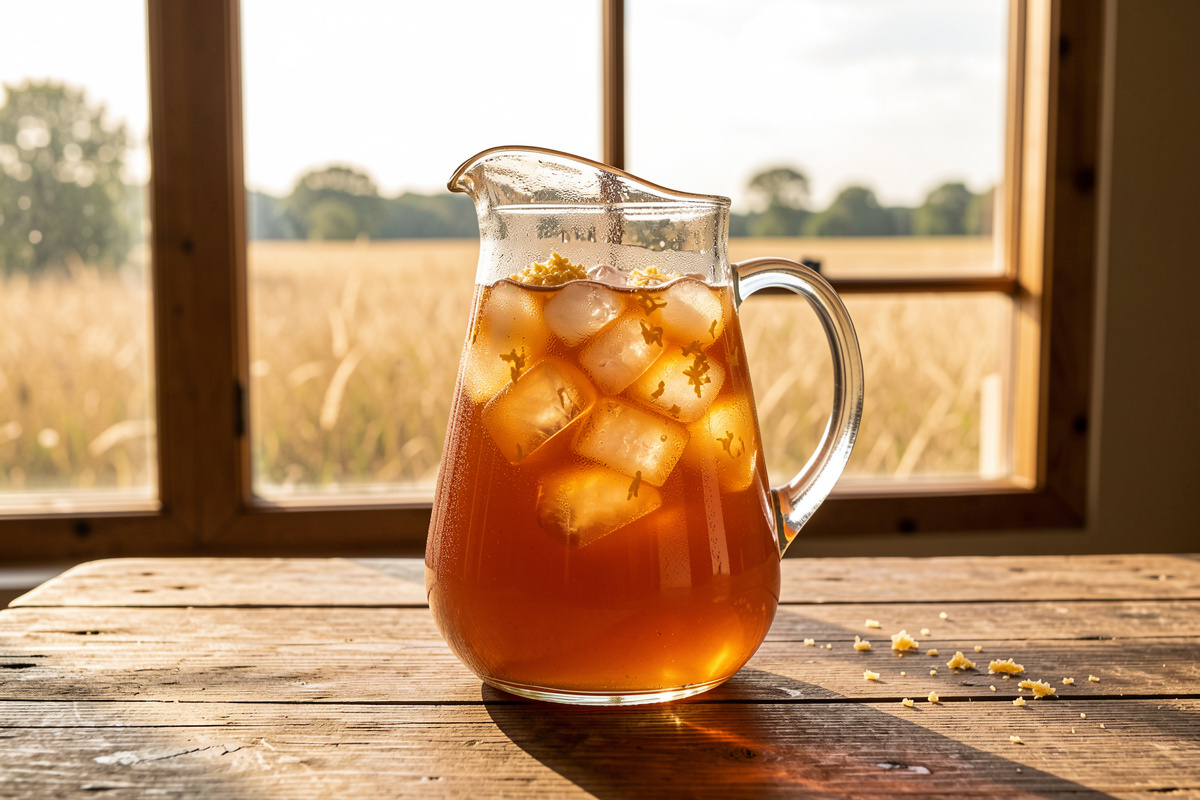
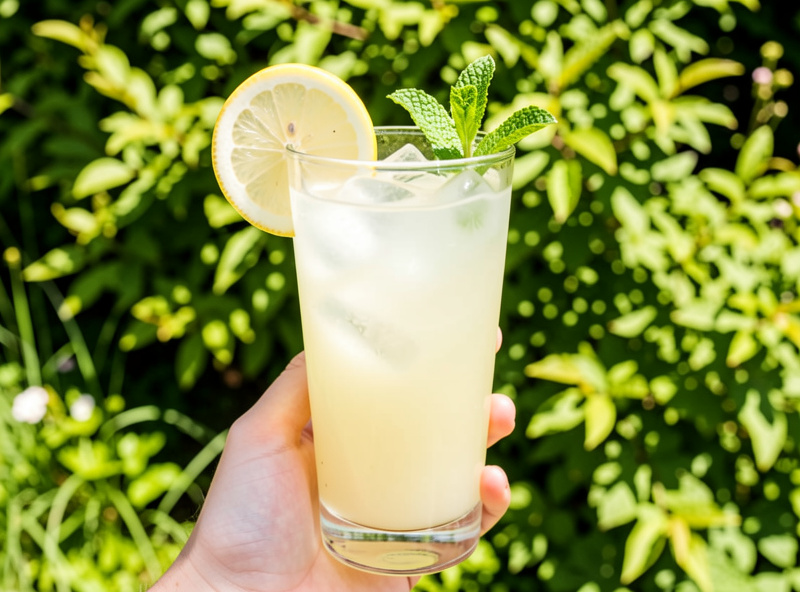
Serve switchel cold over plenty of ice, at full strength, garnished with a lemon wheel or a sprig of mint. Because it’s already mixed to drinking concentration, there’s no dilution math the way there is with a fruit shrub concentrate — you just pour and drink. If a batch came out stronger than you like, top it with a splash of plain or sparkling water.
It also makes an excellent base for a summer cocktail: the vinegar and ginger balance a dark rum or a bourbon the way a squeeze of lime would, without the sugar bomb. My default garden pour is switchel over ice with a lemon wheel, mint from the raised bed, and a grind of black pepper on top. Keep a pitcher in the fridge and it disappears faster than anything sweet you could offer instead — the tartness is exactly what a hot day wants.
What does switchel taste like?
Switchel is tart and bracing up front from the cider vinegar, with a warming ginger bite and a mineral or floral sweetness underneath depending on whether you used molasses or honey. It is refreshing rather than sugary, which is why it works so well in heat. The acid keeps it from ever tasting cloying the way a soft drink does.
How long does switchel last in the fridge?
A batch of switchel keeps two to three weeks refrigerated. Unlike a shrub concentrate, it is mixed at drinking strength rather than as a syrup, so it does not have the same months-long shelf life. After a couple of weeks the ginger fades and the drink is worth remaking fresh. Keep it cold and sealed.
Is switchel alcoholic?
A freshly stirred switchel is non-alcoholic. If you leave a sweetened batch at room temperature for a day or more, wild yeast will start fermenting the sugar and produce a lightly fizzy version with a trace of alcohol. Keep it refrigerated and drink it fresh if you want to avoid any fermentation entirely.
Can I use ground ginger instead of fresh?
Fresh ginger is strongly preferred. The bright, lively aromatic compounds that make switchel refreshing largely cook off in dried powder, leaving mostly heat. Grate fresh ginger for the fullest flavor. If you only have powder, use a small amount and expect a duller, hotter, less nuanced drink.
What is the basic switchel ratio?
For one liter, start with one liter of water, about 60 milliliters of apple cider vinegar, 40 to 60 grams of molasses or honey, and 20 to 30 grams of freshly grated ginger. Steep at least an hour or overnight, then strain and serve cold over ice. Adjust the vinegar up if it tastes flat and the ginger down if it burns.
Further Reading
- Shrubs, Switchel and Drinking Vinegars: The Complete Guide
- How to Make a Fruit Shrub: Cold vs Hot Method Compared
- Sugar Ratios for Shrubs: Balancing Sweet and Sour
- Best Fruit and Herb Pairings for Vinegar-Based Drinks
- How to Dechlorinate Water for Brewing and Fermenting
- Making Hard Cider at Home: A Beginner Guide

About Kenny Nyhus Fadil
A home fermenter documenting brines, bubbles, and the occasional moldy tragedy.