How Long Do Preserved Lemons Keep and How to Store Them

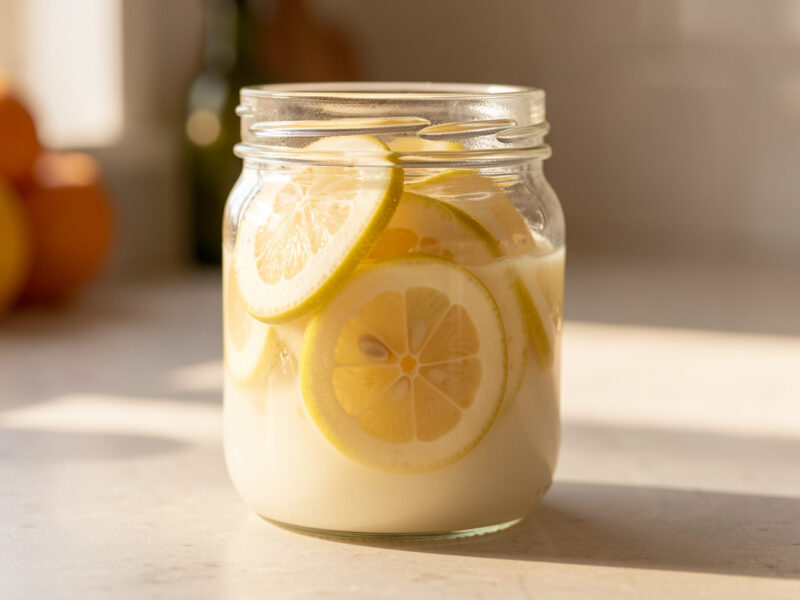
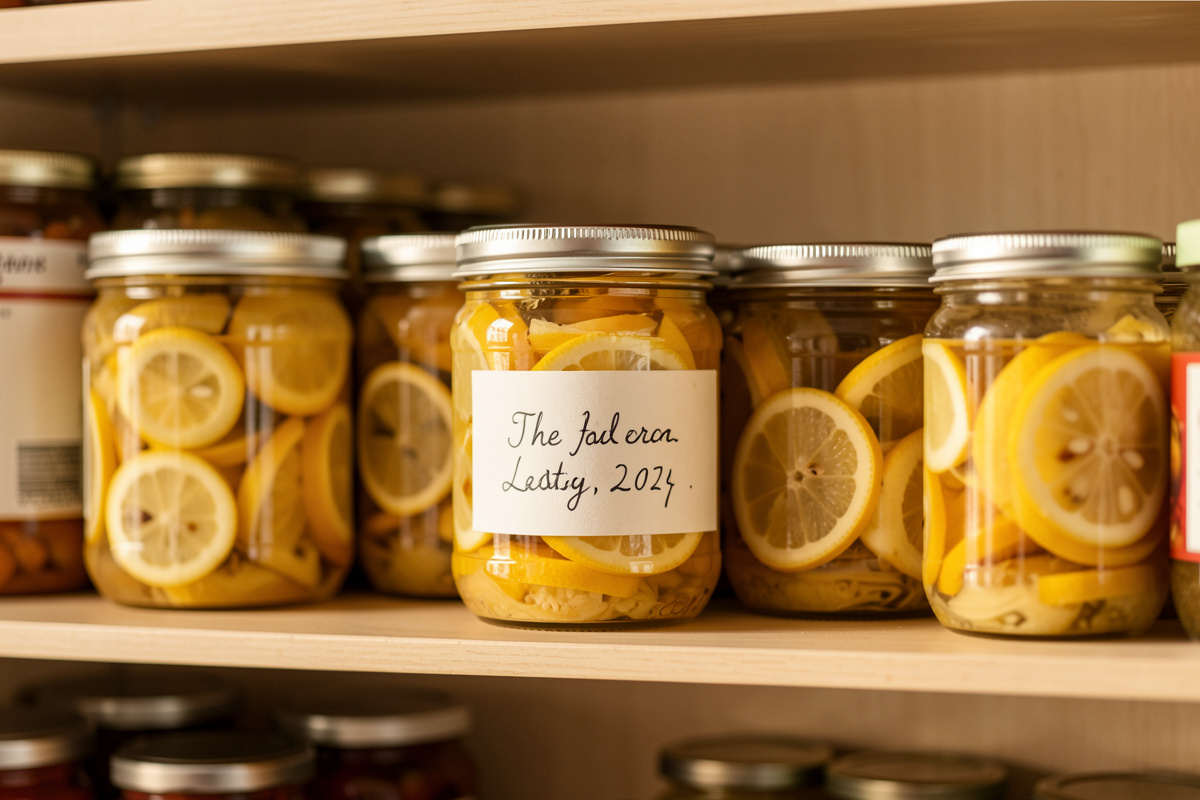
Properly made preserved lemons keep six to twelve months at room temperature and often well over a year in the fridge, as long as they stay fully submerged in their salty brine and you only ever dig in with a clean utensil. The salt doesn’t expire and the low water activity doesn’t drift, so preserved lemons don’t fail from age — they fail from air exposure or contamination. Keep everything under the brine and they’ll outlast almost anything else in your pantry.
I’ve eaten preserved lemons more than a year old that were better than they were at month one — silkier peel, deeper flavor, the harsh edges long gone. That’s the quiet advantage of a salt cure over most preservation: time is on your side, not against you. But “keeps forever if you do it right” hides some real do-it-right details, and the failures I have seen were all avoidable. This is the storage companion to my preserved lemons walkthrough, and the principles here carry across every cure in the salt-preserved produce guide — citrus, garlic, and herbs alike.
How Long Do Preserved Lemons Actually Last?
Preserved lemons last six to twelve months at cool room temperature and 18 months or more refrigerated, and many home preservers keep working jars going far longer by topping them up. The high salt — 15 to 20 percent of the fruit’s weight — holds water activity low enough that spoilage organisms can’t establish, and that protection doesn’t weaken over time. What ends a jar is a mechanical failure, not a shelf-life clock.
The number people want is a single expiry date, but a salt cure doesn’t really have one. My oldest jar ran close to two years before I finished it, and it was excellent the whole way — the flavor just kept deepening. Compare that to a lacto ferment, which slowly over-sours and softens past its prime; a salt cure at full salt concentration essentially holds steady. Refrigeration isn’t required for safety, because salt is doing the preserving, but cold slows every change and buys extra margin, which is why I keep my active jar in the fridge once it’s cured. The room-temperature range assumes a genuinely cool spot out of sunlight; a hot kitchen shortens things and invites more surface activity, so if your kitchen runs warm, default to the fridge.
Room Temperature or Fridge — Which Is Better?
Both work: room temperature is fine for a correctly salted, fully submerged jar because salt provides the safety, while the fridge is better for long-term storage and warm kitchens because cold slows all change. There’s no safety penalty to counter storage of a proper cure, but there’s also no downside to refrigerating beyond taking up fridge space. I cure at room temperature and store the finished jar cold.
My routine splits the difference. The initial three-to-four-week cure happens on the counter, because the process runs a touch faster and more evenly at room temperature and there’s nothing to fear from a salt cure at that stage. Once the lemons are soft and the flavor’s where I want it, the working jar moves to the fridge — not because it would spoil otherwise, but because I use it slowly over months and cold keeps it pristine and stops any lazy surface kahm from forming. If you’re in a warm climate or your kitchen swings hot in summer, skip the debate and refrigerate from the start; the cure will just take a little longer. Either way, sunlight is the real enemy — UV degrades color and flavor — so keep jars in a cupboard or a shaded shelf, never on a sunny windowsill long term, however pretty they look there.
How Do You Keep the Lemons Submerged Over Time?
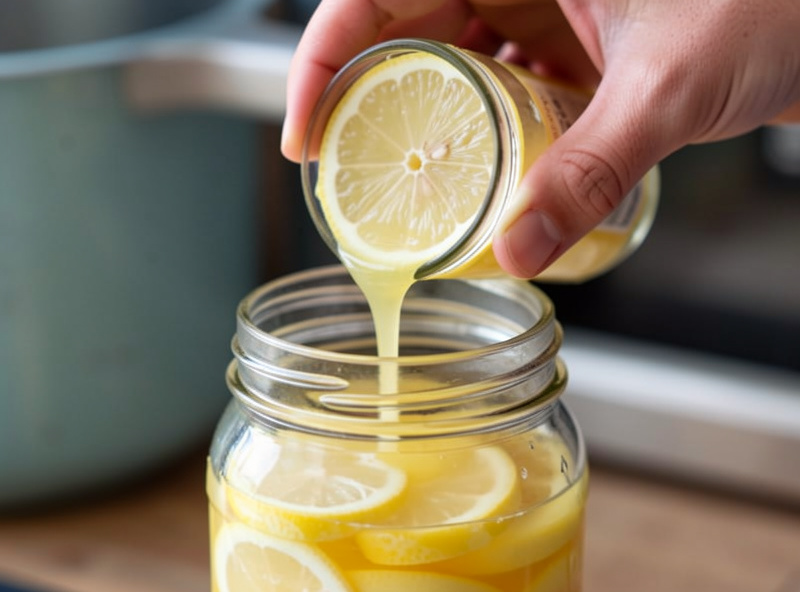
Keep lemons submerged by topping up the brine with fresh lemon juice whenever the level drops, using a small glass weight or a cut round of parchment to hold floaty pieces under the surface, and pressing everything back down each time you remove a lemon. The brine line is the safety line: any peel exposed to air can grow mold that the submerged fruit is protected from. This one habit prevents nearly every storage failure.
As you use lemons and the level falls, or as slow evaporation lowers it, exposed rind at the top is where trouble starts — it’s exactly how my one ruined batch went wrong, two lemons left proud of the brine that grew a fuzzy patch while everything underneath was perfect. So I top up with fresh-squeezed lemon juice to re-cover the fruit, and I keep a small glass fermentation weight in the jar to hold the top layer down. A round of parchment cut to the jar’s diameter, pressed onto the surface, works just as well and is my low-tech default. When I pull a lemon out to cook with, I push the rest back under before the lid goes on. If the brine ever runs genuinely low, a fresh saltwater brine at cure strength poured over the top restores the protection. Never top up with plain unsalted water alone in a way that dilutes the whole jar below the safe salt floor — keep the liquid salty.
What Jars and Handling Keep a Jar Safe?
Use clean glass jars with non-reactive lids, sterilize before packing, and always remove lemons with a clean fork or spoon rather than fingers or a used utensil. Contamination — a dirty spoon, a double-dip, a crumb of other food — is the main way an otherwise-safe jar goes wrong, introducing mold spores or bacteria to a surface that the salt would otherwise keep sterile. Cleanliness at the point of use matters as much as the salt itself.
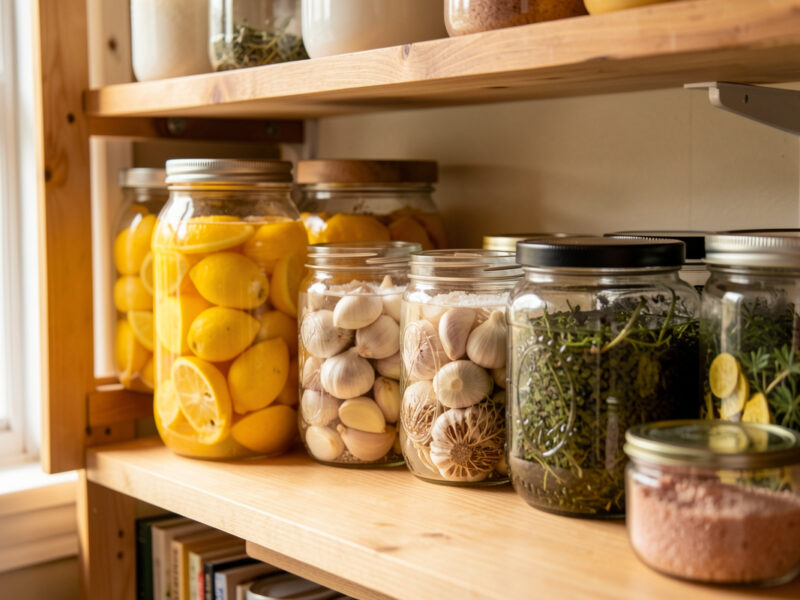
Glass is my only choice for storage: it’s non-reactive, doesn’t absorb odors, and lets me see the brine line and any surface changes at a glance. Metal lids should be lined or plastic-coated, because the salty brine will corrode bare metal over months and can taint the flavor and color — I use plastic storage lids on my long-term jars for exactly this reason. Sterilizing the jar before packing gives the cure a clean start; I run mine through a hot dishwasher cycle or a boiling-water rinse. And the single most-overlooked handling rule is the clean-utensil one: every time you reach in with something that’s touched another food or your fingers, you’re rolling the dice on contamination. A dedicated clean fork lives near my jar. These are the same handling habits I use across the whole salt-cure shelf, garlic and herbs included, as covered in the garlic and herbs guide.
How Do You Know When a Jar Has Finally Gone Bad?
A jar has gone bad when it smells putrid or rotten instead of sharp salt-and-citrus, when you see fuzzy raised colored mold, or when the brine turns slimy and ropey — trust your nose above all else. Cloudy brine, soft rinds, and a little white sediment are all normal and not signs of spoilage. Genuine failure in a salt cure is rare and specific, and it almost always traces back to exposed fruit or contamination.
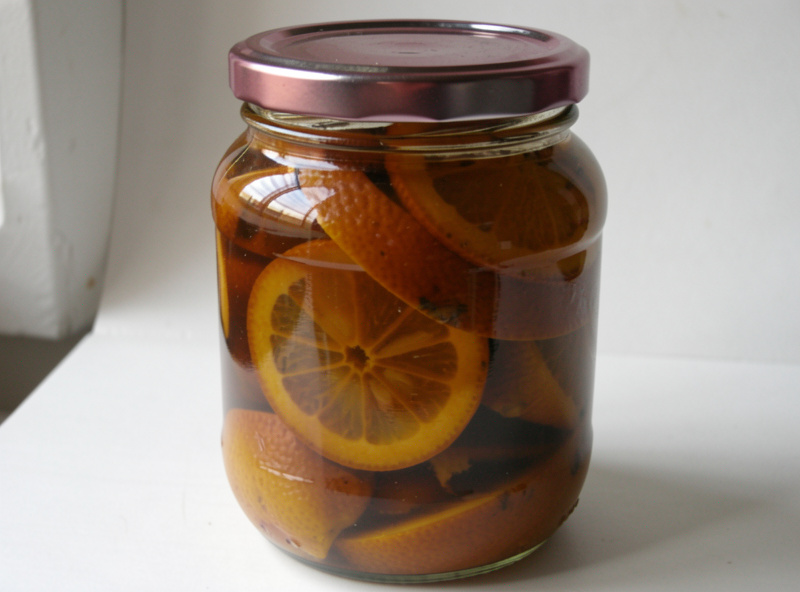
Because the changes a salt cure goes through look dramatic, it’s worth being clear about what’s fine versus what isn’t. Fine: cloudy or syrupy brine, deeply softened and darkened peel, white salt or pectin sediment at the bottom, a thin skimmable white kahm film. Not fine: a rotten or off smell, fuzzy mold in any color rising off the surface, a slimy ropey texture in the liquid, or lemons that dried out and discolored above the brine. When the smell is wrong, I don’t argue with it — out it goes, jar sterilized and started fresh. That said, in years of running these I’ve thrown away only a couple of jars, both from submersion slips, never from age. The full breakdown of normal-versus-spoiled changes, with the kahm-versus-mold call, lives in are preserved lemons supposed to get soft and cloudy?, and the reason a salt cure resists spoilage so well in the first place is laid out in salt-cured vs lacto-fermented.
What I’d Do to Store a Jar for the Long Haul
Starting today, here’s my whole storage playbook: cure at room temperature, then move the finished jar to the fridge; keep everything submerged with a weight or parchment round and top up with fresh lemon juice as the level drops; use a clean fork every single time; store in glass with a non-reactive lid out of direct sunlight; and judge the jar by smell, not by a date on the calendar. Do that and a batch of preserved lemons will serve you for a year or more without drama.
The reassuring reality is that preserved lemons are one of the most forgiving things you can keep in a kitchen — the salt does the hard work, and your only job is to not undo it by letting fruit dry out in the air or dropping a dirty spoon in the jar. This is the last piece of the salt-preservation puzzle, and it applies just as cleanly to the limes, oranges, and kumquats in preserved limes, oranges, and other citrus variations and to the whole method family in the salt-preserved produce guide. For the food-safety fundamentals underneath all of it, I rely on the National Center for Home Food Preservation and the water-activity thresholds in the FDA Food Code — the two references that turn “it keeps a long time” into a number you can trust.
Related Articles
- How to Make Preserved Lemons and How to Use Them
- Are Preserved Lemons Supposed to Get Soft and Cloudy?
- Preserved Limes, Oranges, and Other Citrus Variations
- Salt-Preserved Garlic and Herbs for the Pantry
- Salt-Preserved Produce: The Complete Guide

About Kenny Nyhus Fadil
A home fermenter documenting brines, bubbles, and the occasional moldy tragedy.
Keep Bubbling
Salt-Preserved Produce: The Complete Guide
Quick Pickling vs Lacto Fermentation: The Difference