Are Preserved Lemons Supposed to Get Soft and Cloudy?

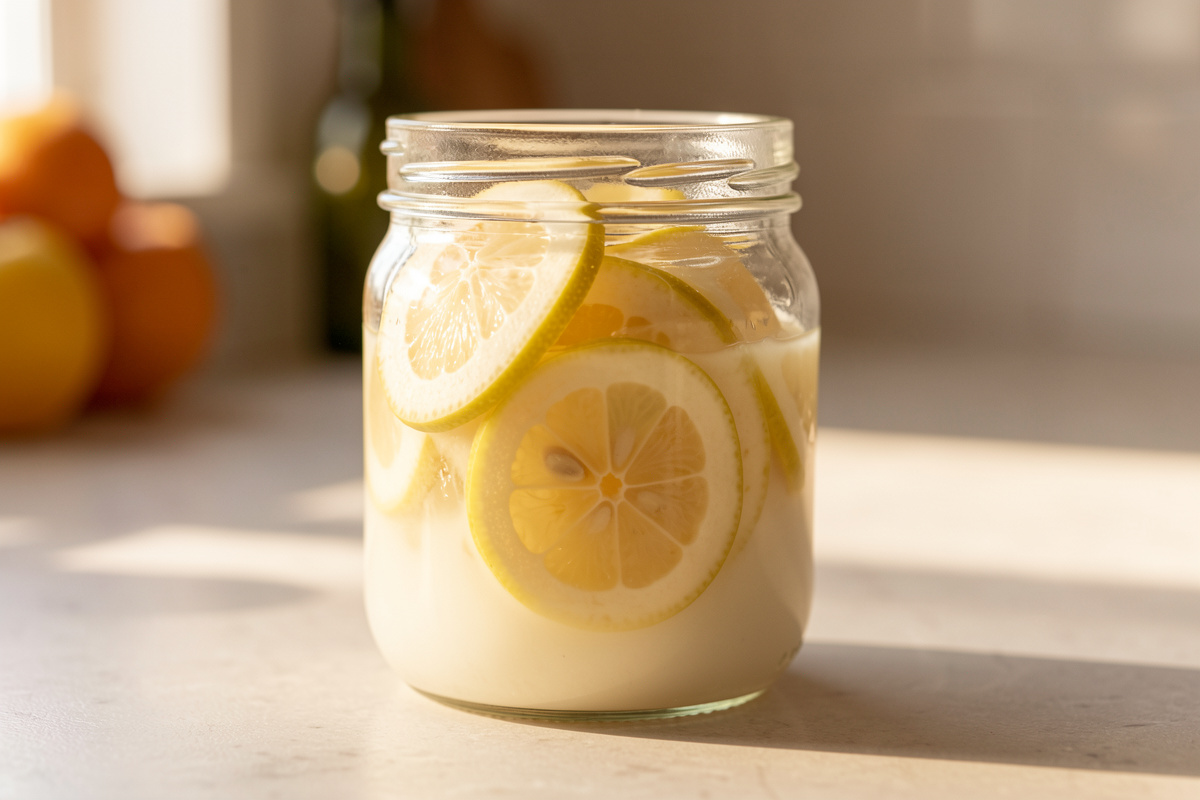
Yes — preserved lemons are supposed to get soft and cloudy, and both changes are signs the cure is working correctly, not spoiling. The cloudy, milky brine is dissolved pectin, fruit sugars, and cell material that the salt has drawn out of the lemons by osmosis. The softening is the salt slowly breaking down the rind’s cell walls until the peel goes silky and slightly translucent. Neither is a warning sign. Actual spoilage looks and smells very different.
This is the single most common panic I hear from first-time preservers, and I get it — you open a jar at week two, the liquid’s gone thick and murky and the once-firm lemons are slumping, and every instinct says throw it out. Don’t. That milky slump is exactly what a healthy salt cure looks like, and I’ve eaten from cloudy jars for years. What matters is learning to tell the normal changes from the rare genuine failures, which are specific and easy to spot once you know them. This piece is the troubleshooting companion to my preserved lemons walkthrough and part of the broader salt-preserved produce guide.
Why Does the Brine Turn Cloudy?
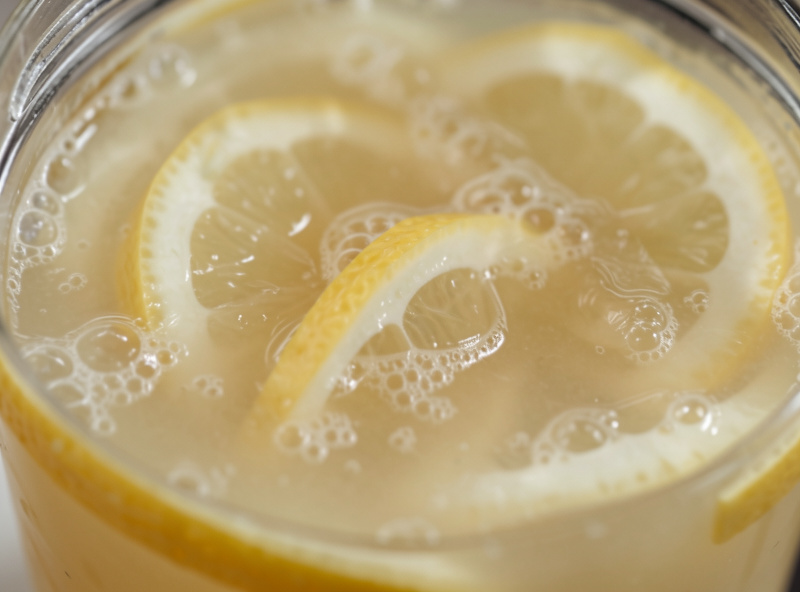
The brine turns cloudy because osmosis pulls water, pectin, and dissolved sugars out of the lemons and into the salty liquid. Within a day or two of packing, the clear brine you started with goes milky and thickens over the following weeks into a light syrup. This clouding is dissolved fruit matter, not microbial growth, and it’s a direct sign the salt is doing its job of drawing moisture out of the fruit.
You can watch this happen almost hour by hour in the first day. I’ve packed a jar in the morning and by evening the salt has already started weeping juice out of the cut faces, the liquid rising and beginning to haze. Pectin — the same stuff that sets jam — is what gives the finished brine its slightly viscous, cloudy body. This is completely different from the clear-then-cloudy progression of a fermenting brine, where the cloudiness comes from bacterial activity. In a salt cure there’s almost no microbial action; the cloudiness is purely physical, the fruit giving up its insides to the salt. A clear brine that never clouds usually means you didn’t use enough salt or didn’t press the lemons hard enough to release their juice.
Why Do the Lemons Go Soft?
The lemons go soft because salt breaks down the pectin and cell-wall structure of the rind over the weeks of curing, transforming firm, bitter peel into a tender, silky, faintly translucent ingredient. This softening is the whole goal — it’s what makes preserved lemon peel usable, mellowing the harsh raw bite and the bitterness of the pith into something deep and savory. A properly cured lemon should yield softly when pressed, like soft leather.
Firmness at week one is normal and so is significant softening by week three; if anything, lemons that stay hard past a month were under-salted or too cold. The pith, which is unpleasantly bitter and spongy raw, is where the biggest transformation happens — the salt cure tames it entirely, which is why you can use the whole rind rather than just the outer zest. I judge doneness by texture, squeezing a wedge against the jar wall: soft and giving means ready, stiff means give it another week. There’s no such thing as “too soft” within reason; older preserved lemons get silkier and better. Mushy-to-the-point-of-disintegrating only happens if the fruit was overripe to begin with, and even then it’s a texture issue, not a safety one.
What’s the White Film on Top — Kahm Yeast or Mold?
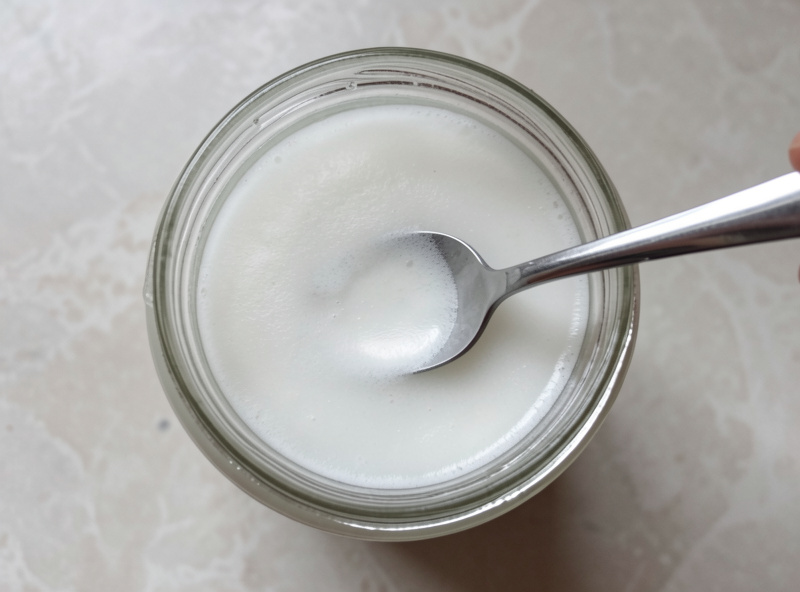
A thin, flat, white film on the surface is almost always kahm yeast, which is harmless — skim it off, make sure the lemons stay submerged, and carry on. Kahm is a wrinkly or smooth white surface film with no fuzz and no color. Mold is different: fuzzy, raised, and colored — green, black, blue, or pink — and it means discard the batch. The distinction is fuzz and color, and it’s the same call I make on my lacto pickles.
Kahm yeast shows up when there’s a little air exposure or the surface sits undisturbed; it’s cosmetic, not dangerous, and I just spoon it off and push everything back under the brine. Real mold is unmistakable once you’ve seen it — it grows up off the surface in fuzzy tufts and carries a color, and it only takes hold where fruit pokes above the liquid into the air. That’s why the brine line is the safety line in every salt cure. If mold has established on exposed lemons but the submerged fruit below looks and smells fine, conservative practice is to toss the whole jar rather than gamble, because mold can send hyphae down into what looks clean. The good news is a properly salted, fully submerged jar almost never molds — it’s the exposed, under-salted jars that fail. For how the same kahm-versus-mold call plays out across other salt cures, see salt-cured vs lacto-fermented.
How Can You Tell Normal From Spoiled?
Tell normal from spoiled by using three senses: smell, sight, and the brine line. Normal preserved lemons smell sharply of salt and citrus, show cloudy brine and soft submerged rinds, and have everything below the liquid. Spoiled ones smell putrid, yeasty-off, or of rot rather than clean salt-citrus, show fuzzy colored growth, or have fruit that dried out above the brine. When the smell is wrong, trust it over everything else.
Cloudy brine: normal. Soft lemons: normal. Sediment or white crystals at the bottom: normal — that’s often just undissolved salt or precipitated pectin. A thin white surface film: almost certainly harmless kahm, skim it. A briny, sharp, citrusy smell: exactly right. Now the red flags: a foul, rotten, or strongly off odor; fuzzy raised growth in any color; a slimy, ropey texture to the brine; or lemons that floated up, dried out, and discolored above the liquid. Any of those and I don’t take chances — out it goes. The reassuring truth is that a salt cure at 15–20% salt is a genuinely hostile place for pathogens, so real failures are rare and almost always trace back to under-salting or poor submersion. Get those two right and “is this normal?” answers itself.
How Do You Prevent Problems in the First Place?
Prevent problems by nailing three things: enough salt (15–20% of the fruit weight, weighed not guessed), full submersion (no peel above the brine, ever), and a clean jar and utensils. Almost every preserved-lemon failure I’ve seen or had comes down to one of those three slipping. Keep the salt at the safe floor, keep everything underwater, and keep contamination out, and cloudy-and-soft is all you’ll ever get.
My own worst batch failed on submersion — two lemons packed proud of the brine grew a fuzzy grey patch while the submerged fruit below was perfect, and I lost the jar because I’d stopped pushing them down. Since then I use a small glass weight or a cut round of parchment to hold floaty citrus under, and I top up with fresh lemon juice if the level drops. Weighing salt on my 0.1 gram scale rather than eyeballing it removed the under-salting risk entirely. And a clean fork every time keeps stray mold spores out. These are the same habits that keep my whole salt-cure shelf trouble-free, and they’re spelled out further in the storage guide. For the underlying safety science, the National Center for Home Food Preservation and the water-activity limits in the FDA Food Code are the references I trust.
Frequently Asked Questions
Is cloudy preserved-lemon brine safe?
Yes. Cloudy, milky brine is normal and expected. It is dissolved pectin, sugars, and cell material that the salt pulled out of the lemons by osmosis, not microbial growth. As long as the lemons are submerged, the smell is sharp salt and citrus, and there is no fuzzy colored growth, cloudy brine is a sign the cure is working.
Are my preserved lemons supposed to be soft?
Yes. Softening is the goal. Salt breaks down the rind’s cell walls over the weeks of curing, turning firm bitter peel into a tender, silky, slightly translucent ingredient. A properly cured lemon yields softly when pressed. Lemons that stay hard past a month were usually under-salted or kept too cold.
How do I tell kahm yeast from mold?
Kahm yeast is a thin, flat, white surface film with no fuzz and no color, and it is harmless. Skim it off and keep the lemons submerged. Mold is fuzzy, raised, and colored, such as green, black, blue, or pink, and it means discard the batch. The tells are fuzz and color.
There is white sediment at the bottom of the jar. Is that bad?
No. White sediment or crystals at the bottom are usually undissolved salt or precipitated pectin, both harmless. This is different from surface film or fuzzy growth. Sediment settling out of a cloudy brine is a normal physical process in a salt cure and does not affect safety.
When should I actually throw preserved lemons away?
Discard them if they smell putrid or rotten rather than of clean salt and citrus, if you see fuzzy raised colored growth, if the brine turns slimy and ropey, or if lemons dried out and discolored above the brine line. Trust your nose above all. A properly salted, submerged jar almost never reaches this point.
Further Reading
- How to Make Preserved Lemons and How to Use Them
- Salt-Preserved Produce: The Complete Guide
- How Long Do Preserved Lemons Keep and How to Store Them
- Salt-Cured vs Lacto-Fermented: Two Different Preservation Paths

About Kenny Nyhus Fadil
A home fermenter documenting brines, bubbles, and the occasional moldy tragedy.
Keep Bubbling
How to Pick and Prep Pickling Cucumbers
Pickling and Brined Vegetables: The Complete Guide