Kimchi Jjigae: The Sour-Kimchi Stew, Done Right

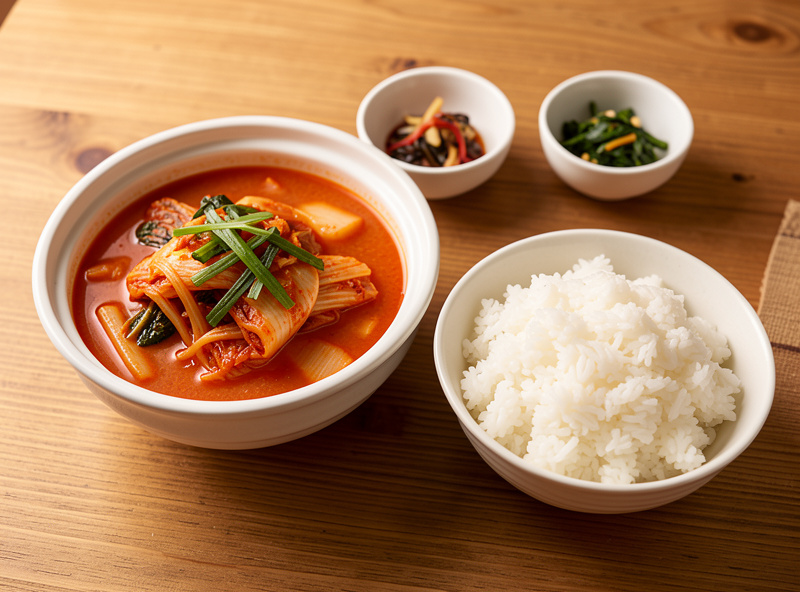
Kimchi jjigae is the dish that justifies keeping a jar of kimchi long past the point where anyone wants to eat it raw. It is a bubbling, sour, spicy, deeply savoury stew built specifically around old, fermented-hard kimchi, and it is probably the single most-cooked dish in Korean home kitchens. After years of making it from the deliberately aged jars in my kimchi rotation, I have settled on a version that gets the depth of a restaurant jjigae from a handful of ingredients and about thirty minutes. The secret, as with kimchi pancake, is that the sourer the kimchi, the better the result.
This is a recipe-and-technique guide: which kimchi to use, the pork-and-fat logic that gives jjigae its body, how to layer the broth, and the small steps that separate a thin, flat stew from a rich, balanced one. None of it is difficult. Kimchi jjigae is forgiving and fast, which is exactly why it is a weeknight staple.
Start With Old, Sour Kimchi
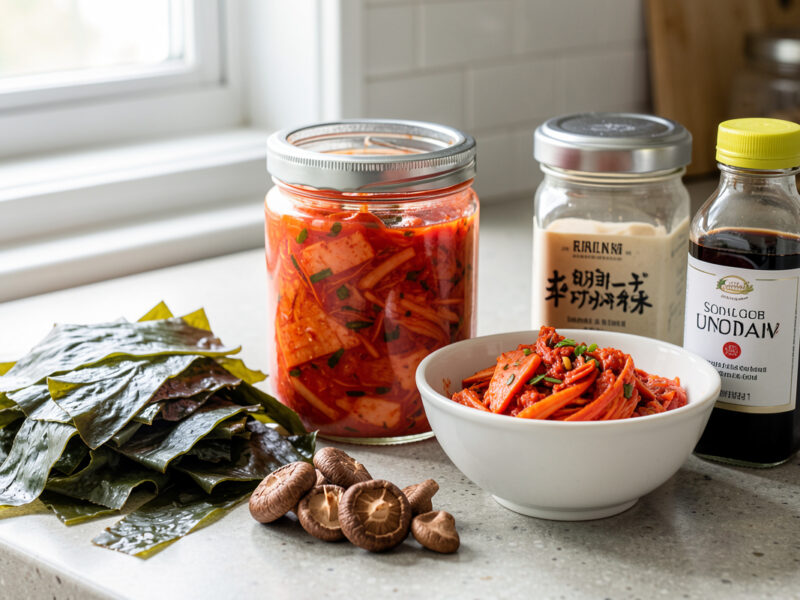
The most important ingredient decision is the kimchi itself. Young, fresh kimchi makes a thin, one-dimensional jjigae — it simply does not have the concentrated sour depth the stew needs. Aged kimchi, the kind that has fermented for months and gone properly sour and soft, makes a jjigae with real backbone. This is the whole reason experienced cooks set aside a jar to over-ferment on purpose: aged kimchi is not spoiled, it is the correct ingredient for this dish.
| Kimchi age | Flavour in jjigae | Verdict |
|---|---|---|
| Young (under 2 weeks) | Thin, mild, lacks depth | Avoid — too flat for stew |
| Middle (1-2 months) | Balanced, gently sour | Good everyday choice |
| Aged (3+ months) | Deep, sour, rich, complex | Best — the classic jjigae kimchi |
| Over-sour / “mukeunji” | Intensely sour, concentrated | Excellent — rinse lightly if too sharp |
Use the kimchi and a good splash of its brine — the brine carries concentrated flavour and acidity straight into the broth. If a jar has gone so aggressively sour that it borders on harsh, a quick light rinse of the kimchi softens the edge while keeping the body, but most of the time you want all of that sourness in the pot.
Pork, Fat, and the Body of the Stew
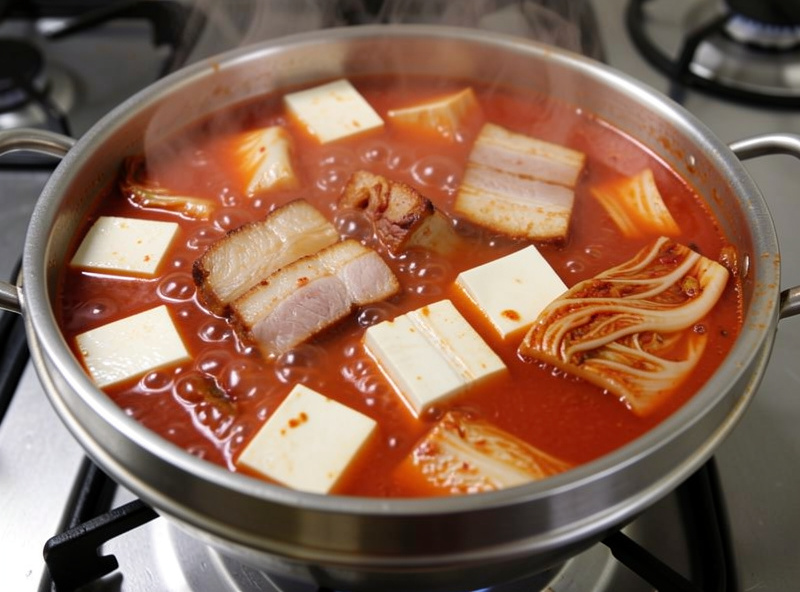
Classic kimchi jjigae is built on pork belly, and the fat is not optional — it is what gives the stew its richness and rounds off the sharp acidity of the aged kimchi. Cut the pork belly into bite-size pieces and render it briefly in the bottom of the pot before anything else, so the rendered fat coats the kimchi when you add it. Tuna jjigae (using canned tuna in oil) and Spam jjigae are common variations, and a vegetarian version leans on extra mushroom and a little sesame oil for body, but the pork-belly version is the benchmark.
After rendering the pork, add the chopped aged kimchi and a spoonful of gochugaru and stir-fry it all together for a few minutes. This stir-fry step is the one most home cooks skip and the one that matters most: cooking the kimchi in the pork fat before adding liquid deepens and sweetens its flavour and blooms the gochugaru, building a base far richer than just dumping everything in with water. Let the kimchi soften and the bottom of the pot start to look glossy and red before you add liquid.
The mistake I made for years was rushing this. Early on I would tip the kimchi in and add water almost immediately, and the stew always came out thin and a little raw-tasting, with the gochugaru sitting on top as a gritty slick instead of melting into the fat. The fix was patience: give the kimchi a genuine three to four minutes in the rendered fat until the edges start to caramelise and the pot smells toasty rather than just sour. That single change did more for my jjigae than any ingredient swap. The other recurring error is dumping in cold tofu too early — it weeps water, dilutes the broth, and breaks apart in a long simmer, which is why it goes in only for the last five minutes.
Building the Broth
For the liquid, water works, but a simple anchovy-kelp stock (myeolchi-dasima broth) or even the water from rinsing rice gives a noticeably deeper jjigae. Add enough to just cover the kimchi and pork, bring to a simmer, and let it cook for 15-20 minutes so the flavours meld and the kimchi turns meltingly soft. Season with the kimchi brine first, then taste before adding any extra salt — aged kimchi and its brine are already salty, and over-seasoning is the most common mistake.
In the last five minutes, add cubed soft or medium tofu and let it warm through without breaking it up too much, plus sliced scallion and, if you like, a little more gochugaru or a spoonful of gochujang for a rounder, slightly sweeter heat. Some cooks finish with a touch of sugar to balance an extremely sour batch. A raw egg cracked in at the very end and gently poached in the broth is a homely touch I often add.
The Ratios I Cook By
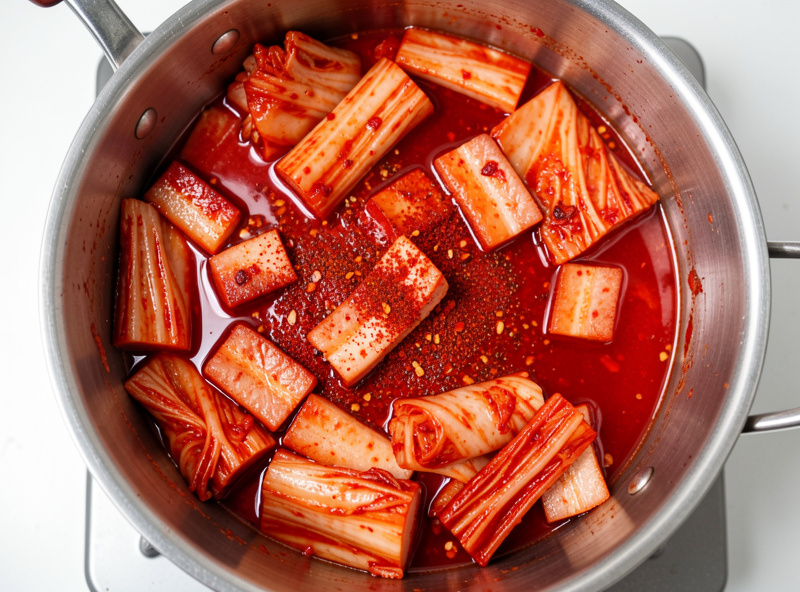
Kimchi jjigae is forgiving, but a starting ratio saves a flat first attempt. For two generous servings I use roughly 300 grams of aged kimchi, 150 grams of pork belly, 150 grams of soft tofu, and about 400 millilitres of liquid — enough to just cover the solids. The pork-to-kimchi ratio is the dial that matters most: closer to 1:1 gives a meaty, rich stew, while leaning toward more kimchi gives a sharper, more sour one. I run mine kimchi-heavy because the aged jars are the whole point.
For the chilli, start with one tablespoon of gochugaru stirred into the stir-fry and adjust at the end — the kimchi already carries heat, so I taste before adding more. If you are unsure how much your gochugaru brings, my gochugaru guide covers the coarse-versus-fine grind and the heat range. The kimchi I reach for is a standard napa base; the napa cabbage kimchi I make is exactly the jar I let over-ferment for this stew. Salt last and sparingly: between the kimchi, its brine, and a salty anchovy stock, a finished jjigae is usually seasoned before you add a single extra pinch.
Temperature matters more than people expect. Render the pork over medium heat so the fat liquefies without scorching, keep the stir-fry hot enough to blister the kimchi edges and bloom the gochugaru, then drop to a steady simmer once the liquid goes in — a hard rolling boil breaks the tofu and dulls the sour notes. Fifteen to twenty minutes at a gentle simmer is where the kimchi turns meltingly soft and the broth pulls everything together.
Serving Kimchi Jjigae
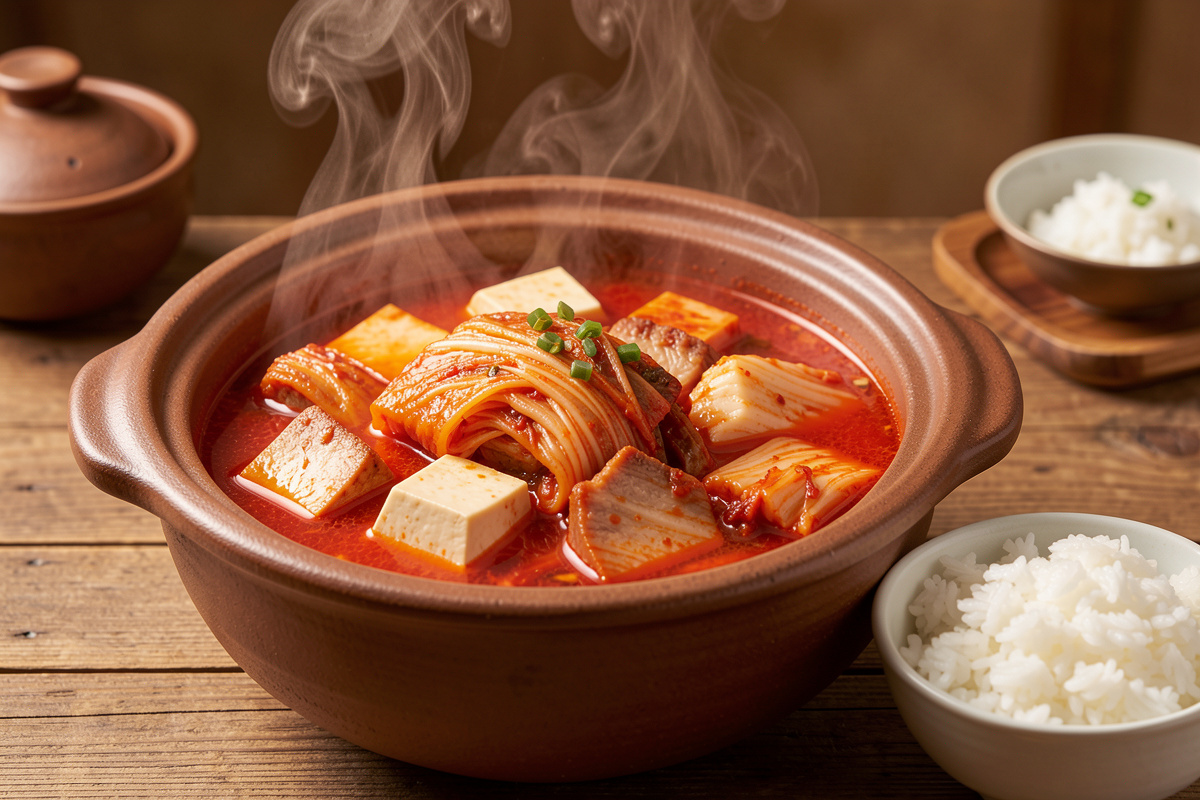
Kimchi jjigae is served bubbling hot, ideally in the earthenware pot it was cooked in, with a bowl of plain short-grain rice alongside. It is a communal dish — the pot goes in the middle of the table and everyone eats from it with rice on the side. The contrast of the spicy, sour stew against clean rice is the whole point, and a few extra banchan (side dishes) round out the meal.
Leftover jjigae is, if anything, better the next day once the flavours have settled further — reheat it gently and add a splash of water if it has reduced too far. Between kimchi jjigae, kimchi pancake, and kimchi fried rice, every jar of kimchi in my kitchen earns its keep all the way to the bottom no matter how sour it has become, which is exactly how aged kimchi is meant to be used.
Frequently Asked Questions
What kimchi is best for kimchi jjigae?
Aged, sour kimchi — ideally three months or older, soft and deeply fermented. Young kimchi makes a thin, flat stew; aged kimchi gives jjigae its sour, rich backbone. This is why cooks deliberately set aside a jar to over-ferment. Use the brine too, since it carries concentrated flavour straight into the broth.
Why do you stir-fry the kimchi first?
Cooking the chopped aged kimchi in rendered pork fat with a little gochugaru before adding liquid deepens and sweetens its flavour and blooms the chilli, building a far richer base than simmering everything in water. It is the single step most home cooks skip and the one that most improves the stew.
Can I make kimchi jjigae without pork?
Yes. Canned tuna in oil (chamchi jjigae) and Spam are common substitutes, and a vegetarian version uses extra mushrooms and a little sesame oil for body. Pork belly is the classic because its fat balances the sour kimchi, so non-pork versions benefit from another fat or oil source for richness.
My kimchi jjigae is too sour — how do I fix it?
Add a small amount of sugar to balance the acidity, stir in a spoonful of gochujang for rounder sweetness, or include more tofu, which mellows the broth. For a very over-sour batch, lightly rinse the kimchi before cooking to soften the edge while keeping its body. Avoid adding more salt, which sharpens it further.
How long does kimchi jjigae keep?
Refrigerated, kimchi jjigae keeps three to four days and often tastes better the next day as the flavours settle. Reheat it gently on the stove and add a splash of water if it has reduced. It is a practical make-ahead dish, which is part of why it is such a staple of Korean home cooking.
Further Reading on FermentFoundry
- Homemade Kimchi: The Complete Guide from Cabbage to Stew
- Kimchi Pancake (Kimchijeon): Best Recipe for Sour Kimchi
- How Long Does Kimchi Last? Storage and Spoilage Guide
- Gochugaru: The Korean Chili Flakes That Make or Break Your Kimchi

About Kenny Nyhus Fadil
A home fermenter documenting brines, bubbles, and the occasional moldy tragedy.
Keep Bubbling
Baek Kimchi: White Kimchi Recipe with No Chili Heat
Easy Napa Cabbage Kimchi Recipe for Beginners (Step-by-Step)