Lacto-Fermented Salsa Recipe: Tangy, Probiotic, Fresh

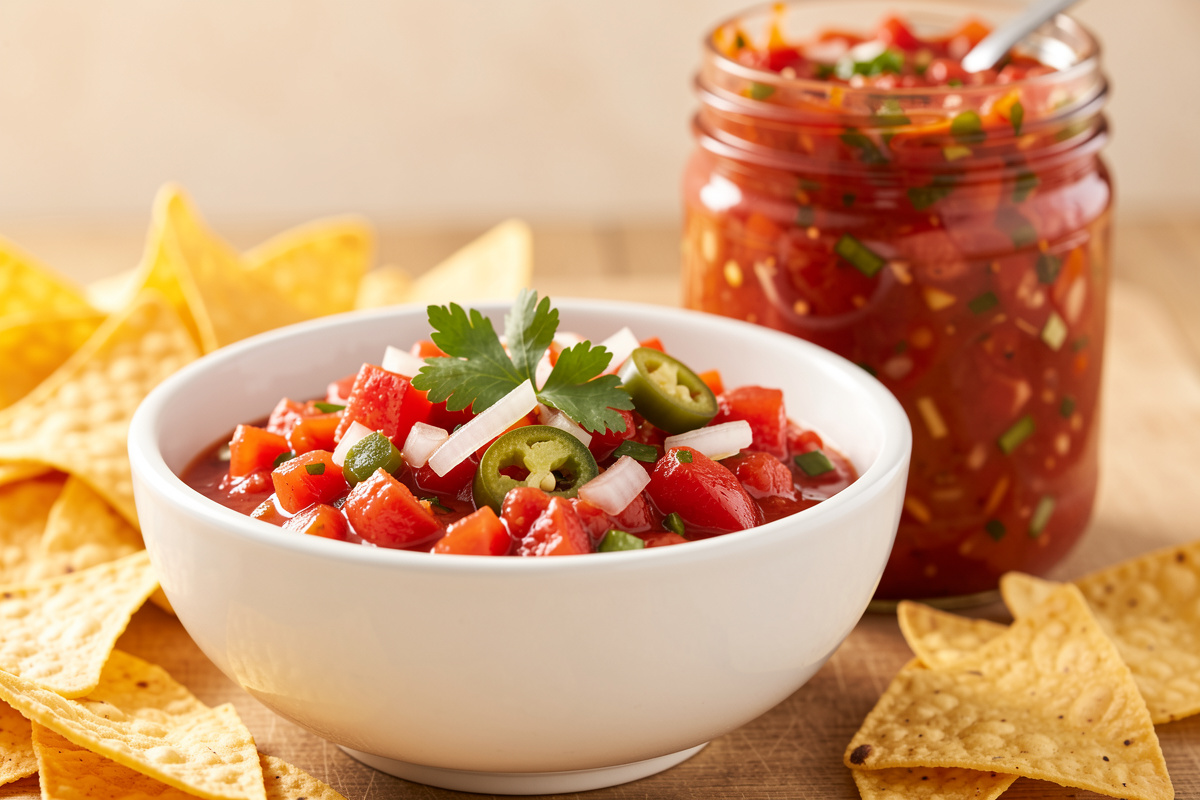
Lacto-fermented salsa ferments in just 2 to 4 days at room temperature using 2% salt by the weight of the vegetables, no cooking and no vinegar. The result is a bright, tangy, faintly fizzy salsa that tastes more alive than any jarred version, and on my meter the mash drops below pH 4.0 within those first few days as the lactic acid takes over.
Salsa is the ferment I make when the garden tomatoes all ripen at once. Unlike beans or beets, you do not add a water brine; the salt pulls juice straight out of the chopped vegetables and they ferment in their own liquid. That makes salsa one of the fastest, most rewarding lacto projects, and the technique is a little different from a submerged-vegetable jar.
How Do You Salt Lacto-Fermented Salsa?
Salt fermented salsa at 2% of the total vegetable weight: weigh all your chopped tomatoes, onion, pepper, and cilantro together, then add 20 grams of non-iodized salt per 1,000 grams. This is salt-to-weight, not a water brine, because the vegetables release their own juice to ferment in.
I weigh the full bowl of chopped salsa on a 0.1-gram scale, calculate 2%, and mix the salt through thoroughly with clean hands until the mixture starts weeping liquid. Tomatoes are watery, so within 20 minutes the salsa sits in a pool of its own brine. Pack it into a jar and press down until that liquid rises over the top. The salt-by-weight method is the same precision I apply to every ferment; the principle behind it is laid out in my salt percentage guide, just applied to a chopped mash instead of cabbage.
What Goes Into a Fermented Salsa?
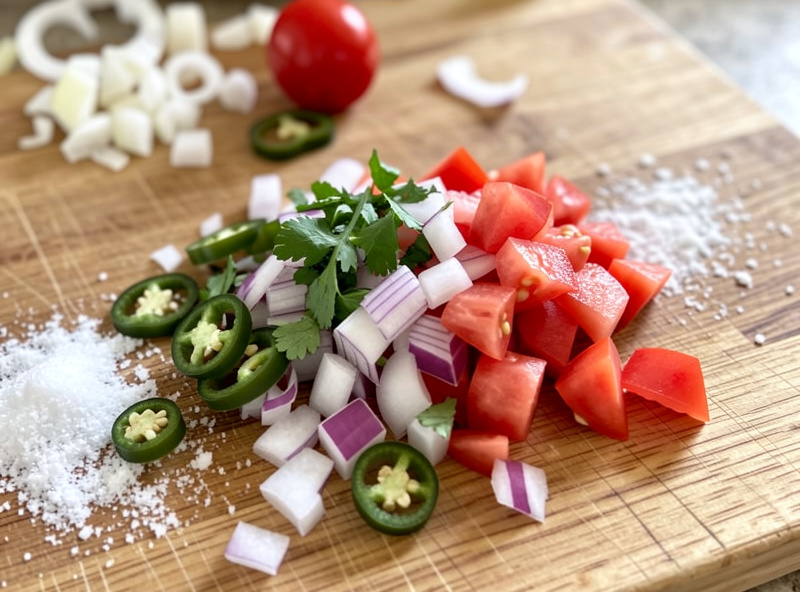
A base fermented salsa is diced tomatoes, onion, fresh chili, garlic, and cilantro, salted at 2% by weight. My standard ratio for a quart jar: about 500 g tomato, 100 g onion, 1 to 2 jalapeños, 2 garlic cloves, and a generous handful of cilantro, all finely diced.
Drain very watery tomatoes lightly so the salsa is not soupy, but keep enough juice to cover. Add cilantro at the end of the ferment rather than the start if you want its fresh flavor to survive, since it fades during fermentation. For heat, fresh jalapeño gives a clean burn, serrano more, and habanero pushes it hot. The garlic-and-chili backbone here echoes the aromatic logic from my lacto-fermented garlic guide, where the same alliums ferment beautifully on their own.
Tomato choice matters more than people expect. Firm, meaty paste tomatoes like Roma keep the salsa from going watery and hold their texture through the ferment, while soft slicing tomatoes break down into something closer to a sauce. When I use juicy garden tomatoes I core and lightly seed them, salt the chopped mash, and tip off the first wash of thin liquid after 20 minutes, keeping just enough to cover. A teaspoon of cumin or a squeeze of lime added after fermenting rounds the flavor without interfering with the bacteria, and a handful of corn kernels or diced mango turned through a finished batch makes a fast salsa variation that still carries the live tang.
How Long Does Fermented Salsa Take?
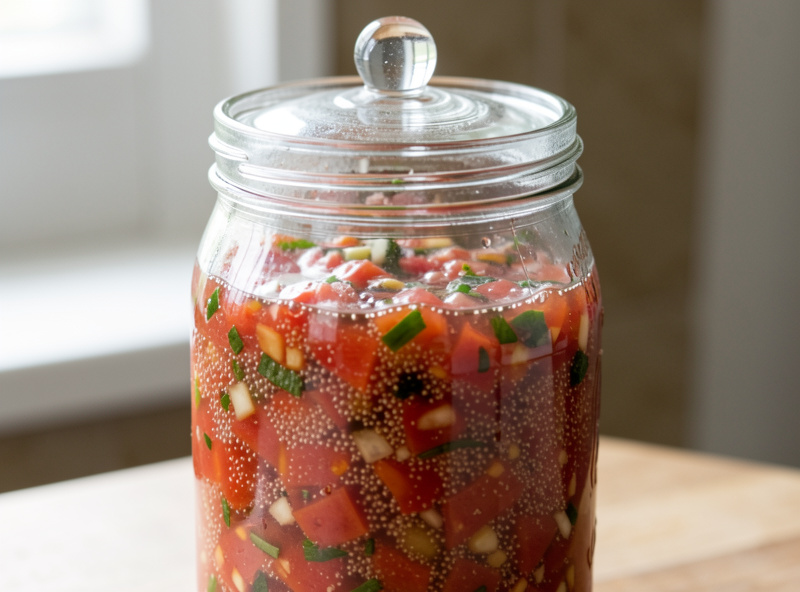
Fermented salsa is fast: 2 to 4 days at 20 to 22°C is enough for a noticeable tang and gentle fizz. It is a high-surface-area mash, so the lactic acid bacteria work quickly compared to whole vegetables in brine, which take a week or more.
I taste from day 2. The moment it reads pleasantly sour and slightly effervescent, it goes to the fridge. Salsa over-ferments fast into a soft, overly sour, almost wine-like state, so this is one to watch daily and pull early. Refrigerated, the flavor keeps developing slowly for weeks. Heat speeds this up dramatically: in a 25°C summer kitchen a jar can be ready in 36 hours, while a cool room can stretch it to five days, so I treat the calendar as a guide and my tongue as the real timer. The jar should be obviously active before it goes cold, small bubbles climbing the glass and the surface lifting slightly, which is exactly the window where the flavor is bright rather than sharp.
| Salsa type | Method | Texture & tang | Keeps |
|---|---|---|---|
| Lacto-fermented (this recipe) | 2% salt, 2-4 day ferment, raw | Bright, fizzy, complex | 1-2 months fridge |
| Fresh pico de gallo | No salt cure, eat same day | Crisp, flat acidity | 2-3 days fridge |
| Cooked & canned salsa | Boiled, vinegar, water bath | Soft, sharp, shelf-stable | 12+ months pantry |
What Do You Eat Fermented Salsa With?
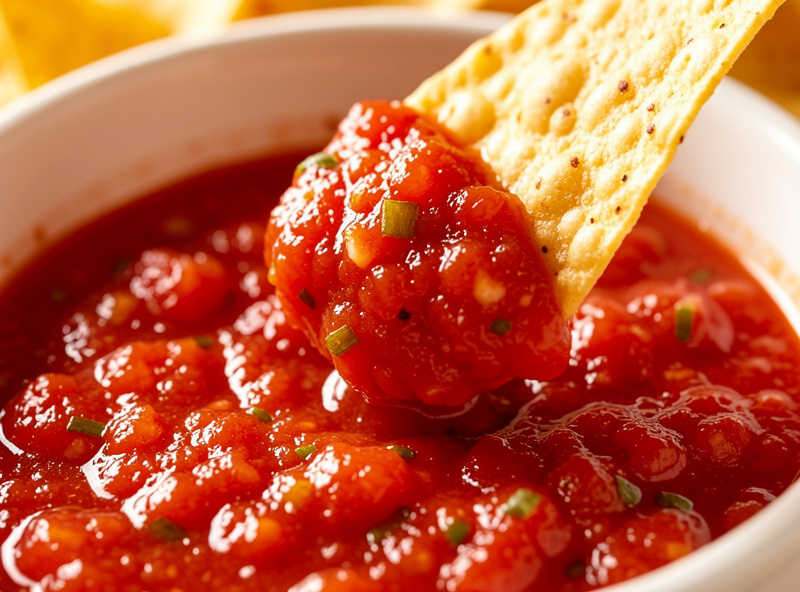
Fermented salsa goes anywhere fresh salsa does, but the live tang makes it especially good on rich, fatty foods that want a sharp counterpoint: tacos, grilled meats, fried eggs, beans and rice, and straight off a chip. The faint fizz reads as freshness, not spoilage, and it cuts through heavy dishes in a way cooked jarred salsa never does.
Because it is never heated, I treat it as a raw condiment and keep it cold. The leftover juice that pools at the bottom of the jar is the best part to save; I splash it into marinades, salad dressings, or a Bloody Mary mix for an instant hit of tangy, salty, chili-warm depth. In summer this jar empties as fast as the carrots, and a fresh batch goes in the moment the tomatoes pile up again on the counter.
Why Is My Fermented Salsa Foamy or Mushy?
Light foam and bubbling are normal and good, the sign of active fermentation. Mushy, separated, or wine-smelling salsa means it fermented too long or too warm. Pull salsa at day 2 to 4, keep it under 22°C, and refrigerate the moment the tang is where you like it.
The first salsa batch I forgot on the counter for a week turned into a soft, boozy sauce, still safe but past good. Now I set a reminder. Keep the mash pressed under its own juice with a weight; exposed tomato at the surface is where kahm yeast and mold start. A thin white film is harmless kahm to skim, while fuzzy colored growth means the jar goes out.
Is Fermented Salsa Safe and Probiotic?
Fermented salsa is safe once it acidifies below pH 4.6, the botulism floor, and a healthy raw mash passes well under pH 4.0 within a few days. Because it is fermented rather than cooked, it is also a live, raw food carrying the lactic acid bacteria that the ferment produces.
I describe it as probiotic in the literal sense that it contains live cultures, not as any kind of health treatment; this is food and flavor, and I make no medical claims about what it does in your body. The safety levers are correct 2% salt, full submersion under the juice, and room-temperature fermentation. A clean sour-and-fresh smell is your everyday confirmation it went right.
Recommended Gear for Fermented Salsa
Salsa is a press-and-weight ferment, so the useful tools keep the mash submerged and measured. A 0.1-gram kitchen scale is essential for nailing 2% salt on a weighed bowl of chopped vegetables, and a glass fermentation weight presses the salsa under its own juice. A silicone airlock lid handles the vigorous early outgassing of a fast mash without you burping it constantly.
Disclosure: the product links above are Amazon affiliate links. If you buy through them I may earn a small commission at no extra cost to you. I only link gear I actually use in my kitchen.
Frequently Asked Questions
How long does fermented salsa need to ferment?
Fermented salsa takes just 2 to 4 days at 20 to 22C. It is a finely chopped mash with high surface area, so it acidifies far faster than whole vegetables in brine. Taste from day 2 and refrigerate once it is pleasantly tangy.
Do you add water to fermented salsa?
No. Unlike a brined vegetable ferment, salsa uses salt by weight, not added water. The 2% salt pulls juice out of the tomatoes and the salsa ferments in its own liquid. Just press it down so the juice covers the top.
Why is my fermented salsa fizzy?
Fizz and light foam are completely normal and a sign of healthy active fermentation as the bacteria produce carbon dioxide. It settles after refrigeration. Wine-like smell and mushy texture, though, mean it over-fermented and should be pulled earlier next time.
How long does fermented salsa last in the fridge?
Fermented salsa keeps good quality for 1 to 2 months refrigerated. The flavor keeps slowly developing and sharpening. Keep it pressed under its own juice in a sealed jar, and discard if you ever see fuzzy colored mold on the surface.
Can you ferment store-bought salsa?
Not reliably. Most jarred salsa is already cooked and contains vinegar or preservatives that block fermentation. Lacto-fermented salsa needs raw, fresh ingredients and live surface microbes to work, so make it from scratch with fresh produce.
Keep Fermenting
- Lacto-Fermentation for Vegetables: The Complete Home Guide
- Fermented Carrots Recipe with Ginger
- Fermented Beets Recipe with Horseradish + Kvass
- Sauerkraut Salt Percentage: 2% vs 2.5% vs 3% Brine, Tested
- How to Lacto-Ferment Garlic: Honey vs Brine Methods

About Kenny Nyhus Fadil
A home fermenter documenting brines, bubbles, and the occasional moldy tragedy.
Keep Bubbling
The Garden-to-Ferment Calendar: What to Plant When for a Year-Round Fermentation Harvest
Garden to Jar: Fermenting What You Grow (Cabbage, Peppers, Cucumbers)