The Garden-to-Ferment Calendar: What to Plant When for a Year-Round Fermentation Harvest

Plant cabbage seed indoors on March 15, transplant on May 1, harvest on August 15, shred and salt at 2 percent — and the first sauerkraut lands on September 15, six months from seed to ferment. Plant hot-pepper seed on February 1 under a grow light, and the first hot sauce is ready six and a half months later.
The gardener who does not plan the fermentation calendar at seed-starting time ends up with 15 kilograms of cabbage in August and no crock space to ferment it, or 40 ripe jalapenos on the counter and a brine bucket that sat empty for three weeks because nobody started the ferment when the harvest window opened.
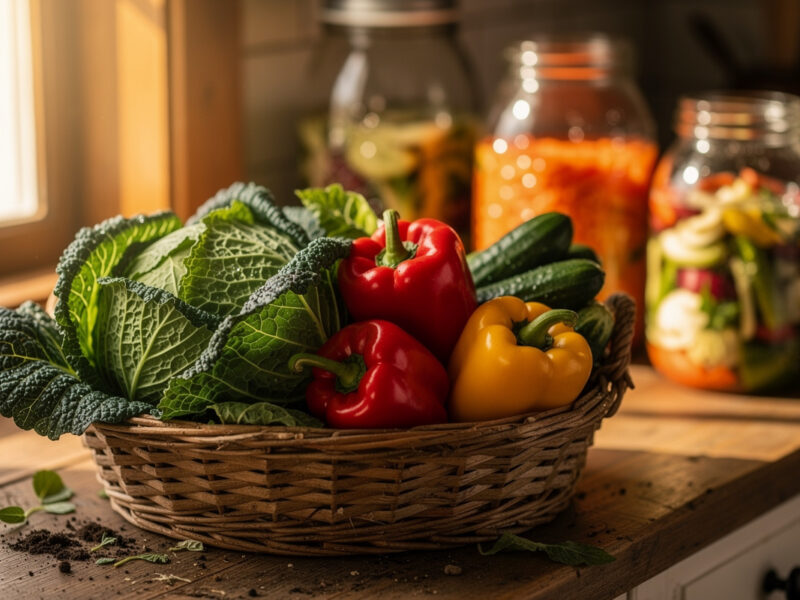
The garden-to-ferment pipeline runs on a single question that most seed catalogs do not answer: what happens to this plant after it leaves the raised bed? The full vegetable-to-crock workflow — balancing what you grow with when you ferment — is mapped in the garden-to-jar guide, which covers the harvest-to-brine timing for every major fermentable crop. A cabbage that ends up in sauerkraut needs a different harvest window than a cabbage that goes into coleslaw — the fermenting cabbage must be dense, heavy for its size, and harvested at peak sugar content because the Lactobacillus that drives the ferment feeds on those sugars. A cucumber for pickles is picked at 10 to 15 centimeters, before the seeds harden and the flesh goes spongy. A pepper for hot sauce ripens fully on the plant, because the capsaicin and the sugars that balance it develop in the final two weeks of ripening, and a pepper picked green for hot sauce produces a thin, grassy ferment that tastes like lawn clippings in vinegar. The garden feeds the ferment, but only if the gardener knows what the ferment needs before the seed goes into the soil.
The Spring Planting Window: Cabbage, Radish, and the First Krauts
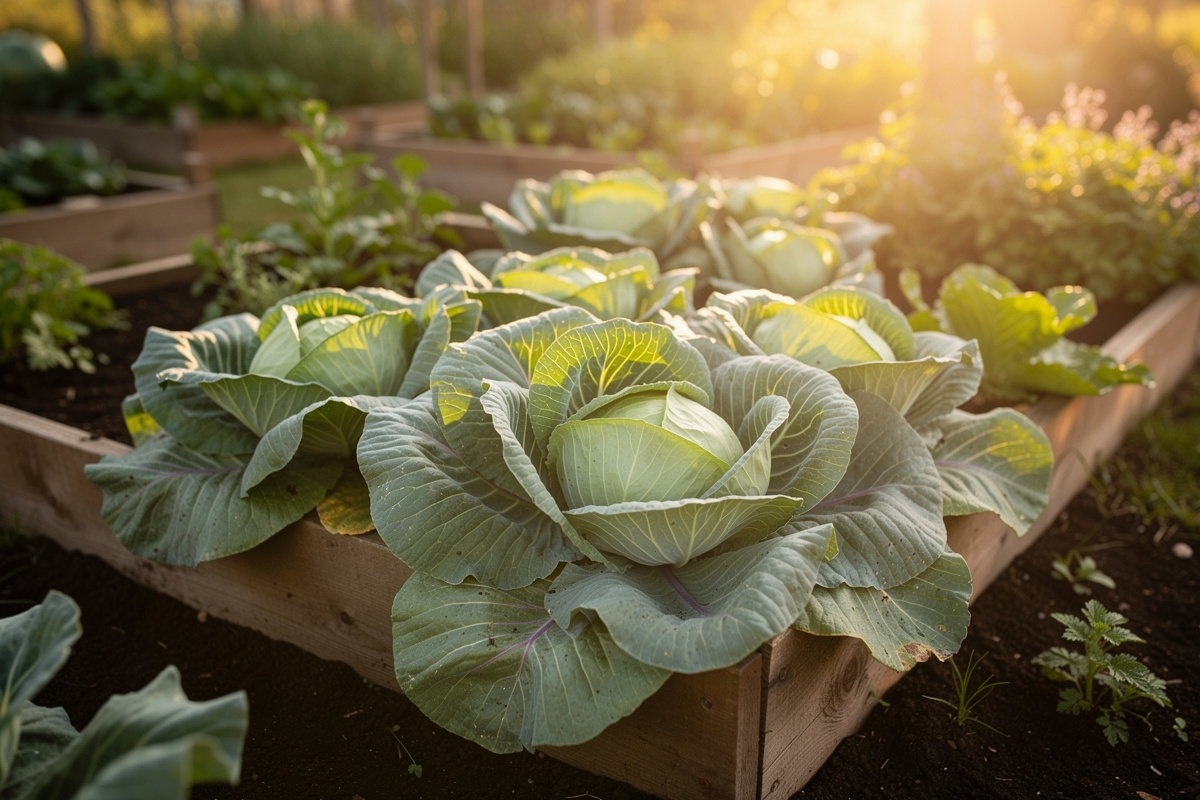
Cabbage for fall sauerkraut starts indoors 6 to 8 weeks before the last frost date — mid-March in a Nordic climate, early February in zone 7 and warmer — and transplants to the garden 2 to 4 weeks before the last frost. The cold-hardy brassica handles a light freeze better than it handles summer heat, and cabbage that matures in cool autumn weather develops higher sugar content than cabbage that matures in July heat. Sugar content in the leaf directly determines the lactic acid yield during fermentation — more sugar means more food for the Lactobacillus, which means a faster, more reliable ferment with lower risk of spoilage. Plant a storage variety (Brunswick, Danish Ballhead, Storage No. 4) for sauerkraut rather than an early-season variety — the storage types are bred for density and sugar, not speed.
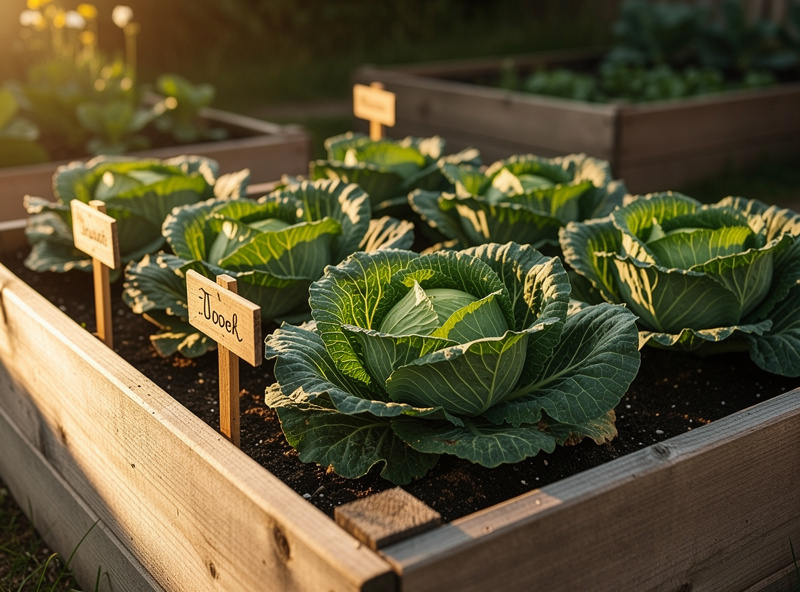
On my bench, the crock prep starts the same weekend as the seed starts — I clean and sanitize the fermentation vessels while the cabbage seedlings are still under grow lights, because the crock that is ready on harvest day gets filled, and the crock that needs scrubbing on harvest day eats an afternoon that should be spent shredding cabbage. The ferment window opens roughly 90 to 110 days after transplant, depending on the variety and the season’s heat. A mid-March seed start becomes a mid-August harvest, and the crock needs to be clean, the salt weighed, and the cabbage shredded within 48 hours of pulling the heads — cabbage loses moisture through the cut stem and the leaves wilt, reducing the brine yield when salted. The gardener who plants the seed must also plan the crock: a 5-kilogram cabbage head fills roughly a 10-liter fermentation crock after shredding and packing, and if the raised bed produces six heads, you need six crocks or a 60-liter barrel and a plan for what to do with 30 kilograms of sauerkraut. The full growing calendar that aligns vegetable harvests with the seasons is covered in the urban gardening guide — the same timing principles that schedule the seed starts also schedule the fermentation vessels.
Summer Heat: Peppers, Cucumbers, and the Hot Sauce Pipeline
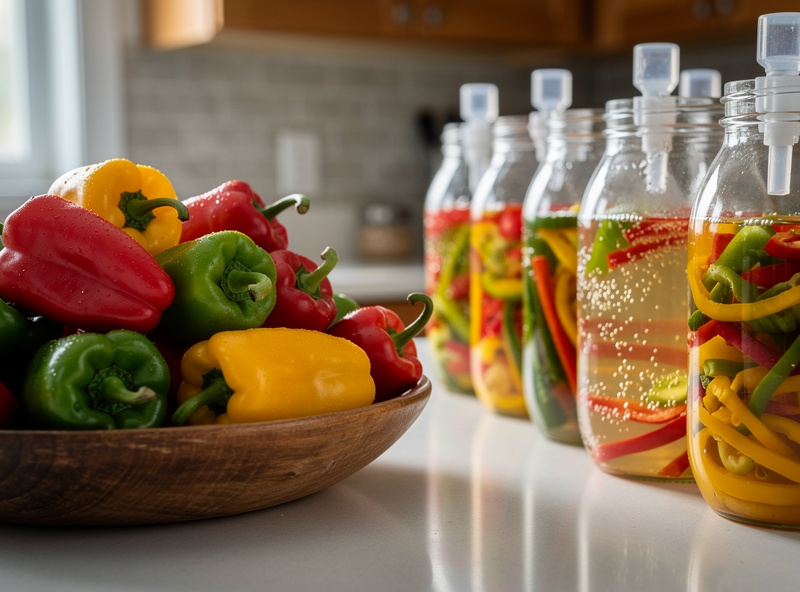
Hot peppers for fermented hot sauce need 120 to 150 days from seed to ripe fruit — the USDA Plant Hardiness Zone Map determines when those seeds should hit soil. In zone 7 and warmer, peppers start outdoors in April; in zone 4, they start indoors in January or not at all. In a Nordic climate that means starting seed indoors under grow lights in January or February and transplanting to containers in late May or early June. Super-hots run at the long end of that range or past it — habanero and ghost pepper seed can take 2 to 4 weeks just to germinate, so on my bench I start those trays a full month ahead of the milder varieties and don’t count on ripe fruit before the 150-day mark. The container approach outperforms in-ground planting for peppers in northern climates because the container warms faster in spring and the root zone stays warmer through the season, shaving 10 to 14 days off the ripening window. A 5-gallon fabric pot with a super-hot variety (habanero, scotch bonnet, ghost) produces 30 to 50 peppers; a mild variety (jalapeno, serrano) produces 50 to 80. One plant of each covers the hot-sauce ferment for a household for a year.
Cucumbers for fermented pickles are a 55-to-70-day crop from seed to first harvest, direct-sown when the soil temperature hits 18 degrees Celsius — late May in the north, April in zone 7. Pickling cucumbers (Boston Pickling, National Pickling, Homemade Pickles) are shorter, thicker-skinned, and less watery than slicing cucumbers, and the thick skin holds its crunch through the fermentation rather than dissolving into mush. Harvest every other day once the plants start producing — a cucumber that stays on the vine an extra 48 hours balloons from 10 centimeters to 18 centimeters, the seeds harden, and the pickle that results is hollow in the center and soft at the edges. The ferment window for cucumbers is the narrowest in the garden: miss two harvests and the batch is ruined for pickling and headed for the compost pile instead.
Fall Roots: Carrots, Beets, and the Winter Kimchi
Carrots and beets for winter ferments — kimchi, kvass, fermented giardiniera — are planted in late spring for a fall harvest that stores in the ground under mulch or in a root cellar until the fermentation crock is ready. Carrots for fermentation should be harvested at roughly 2 to 3 centimeters in diameter — larger carrots get woody in the core and the texture survives fermentation poorly. Beets for kvass should be roughly 5 to 8 centimeters, harvested before the first hard frost concentrates the sugars to the point where the ferment produces more alcohol than lactic acid and the kvass tastes boozy instead of tangy.
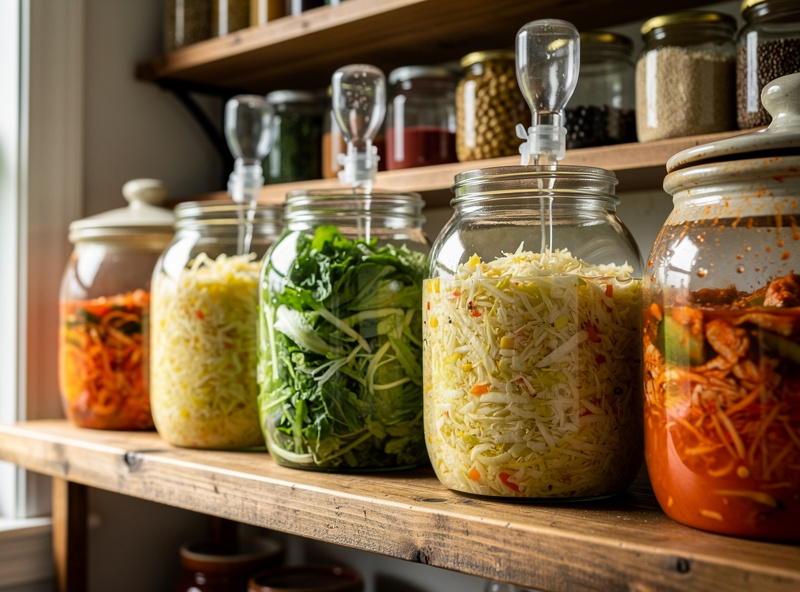
The root-cellar advantage for fermenters: carrots and beets stored in damp sand at 2 to 4 degrees Celsius hold their sugar content for 3 to 4 months, which means the fermentation does not have to happen in the same week as the harvest. A gardener with a root cellar or a cool basement can pull 5 kilograms of carrots in October, store them in a crate of damp sand, and pull a kilogram at a time through January to start a fresh batch of fermented carrots every few weeks. This stretches the fermentation season from a 2-week frenzy in October to a 4-month slow burn through February, and the ferments that start in January taste different — colder fermentation temperatures slow the Lactobacillus activity, producing a milder, more complex flavor than the fast, sharp ferment that happens at 22 degrees in August. The same cabbage that made a sharp, acidic kraut in September makes a gentler, rounder kraut in December, and the gardener who planned the root cellar at planting time gets both versions from the same bed.
The garden-to-ferment calendar is a backward-planning exercise: start with the crock you want to fill in September and work back through the seed catalog to February. The seed that goes into the soil on the right date becomes the cabbage that hits the crock at peak sugar content, which becomes the kraut that ferments reliably and tastes alive. Miss the timing by two weeks in either direction — start the seed too late, harvest the head too early, delay the ferment too long — and the result is still edible but never as good as the batch that was planned from seed to brine.
Frequently Asked Questions
When should I plant cabbage for fall sauerkraut?
Start seeds indoors 6 to 8 weeks before the last frost date — mid-March in Nordic climates, early February in zone 7+. Transplant to the garden 2 to 4 weeks before last frost. Storage varieties (Brunswick, Danish Ballhead) produce denser, sweeter heads for fermentation than early-season types. Harvest at 90 to 110 days after transplant.
What vegetables are best for fermentation from a home garden?
Cabbage (sauerkraut and kimchi), cucumbers (pickles), hot peppers (hot sauce), carrots and daikon radish (kimchi and giardiniera), beets (kvass), and green beans (dilly beans). All six grow in containers or raised beds in most climates. Tomatoes ferment poorly — the high water content dilutes the brine and encourages yeast rather than Lactobacillus.
How do I time my garden planting around my fermentation schedule?
Work backward from the fermentation window. Cabbage for fall kraut: seed in March, harvest in August, ferment for 4 weeks, ready in September. Hot peppers for sauce: seed in January, harvest in August, ferment 2 weeks, ready mid-August. Cucumbers for pickles: seed in May, harvest begins July, ferment 1 week, ready continuously through summer.
Can I ferment vegetables that have been frozen in the garden?
No. Freezing ruptures the cell walls and the vegetable turns to mush in the brine. Vegetables for fermentation must be harvested before the first killing frost. Root vegetables stored in a root cellar at 2 to 4 degrees Celsius maintain their structure for months. Leafy vegetables must be fermented within 48 hours of harvest.
What salt percentage should I use for garden vegetable ferments?
It varies by vegetable, not a single flat number. Cabbage for sauerkraut runs 2 to 2.5 percent. Cucumbers for lacto pickles and hot peppers for chili mash both run higher, 3.5 to 5 percent, because whole or chunky pieces need more salt to stay crisp and control the ferment than shredded cabbage does. Always weigh the salt — volumetric measurements vary by salt grain size by up to 50 percent.
How many cabbage plants do I need to fill one fermentation crock?
One storage-variety cabbage head weighs 4 to 6 kilograms at harvest and fills a 10-liter crock after shredding and packing. Four plants in a raised bed produce enough cabbage for a year of monthly kraut ferments. Two plants cover a household that ferments a batch every 2 to 3 months.
Related Articles
- Homemade Sauerkraut: Complete Guide
- Fermented Hot Sauce: Complete Home Brewer Guide
- Lacto-Fermentation: Complete Guide from Brine to Jar
- Homemade Kimchi: Complete Guide from Cabbage to Stew
- Fermentation Equipment: Crocks, Jars, and Airlocks

About Kenny Nyhus Fadil
A home fermenter documenting brines, bubbles, and the occasional moldy tragedy.
Keep Bubbling
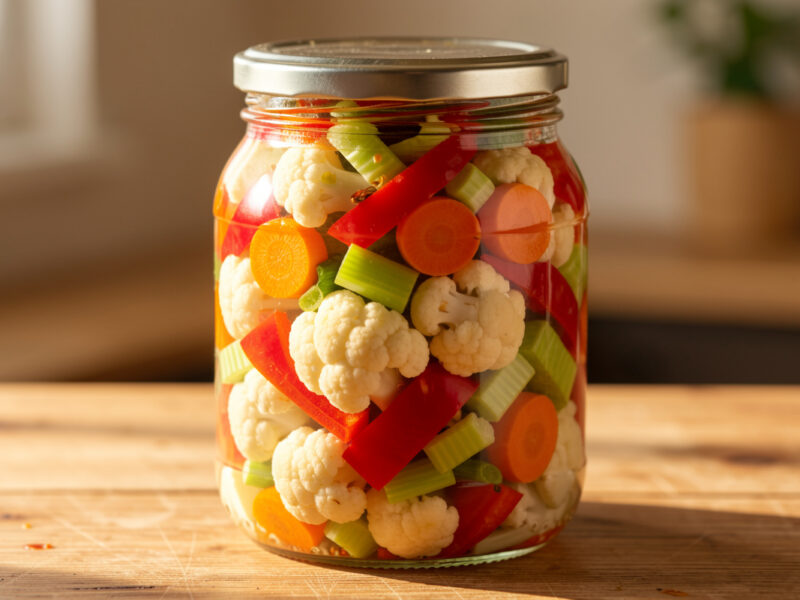
Fermented Giardiniera Recipe: Crunchy Italian Mix
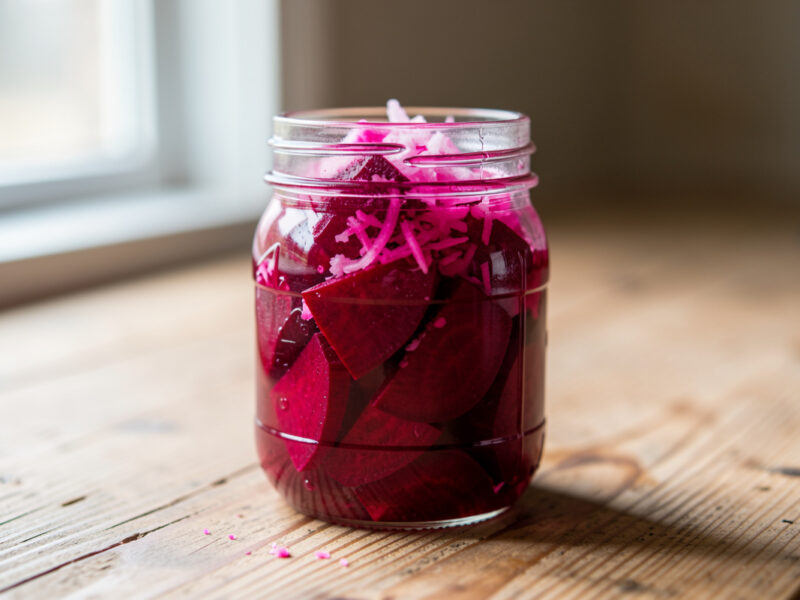
Fermented Beets Recipe with Horseradish (Earthy + Sharp)