Quick Pickling vs Lacto Fermentation: The Difference

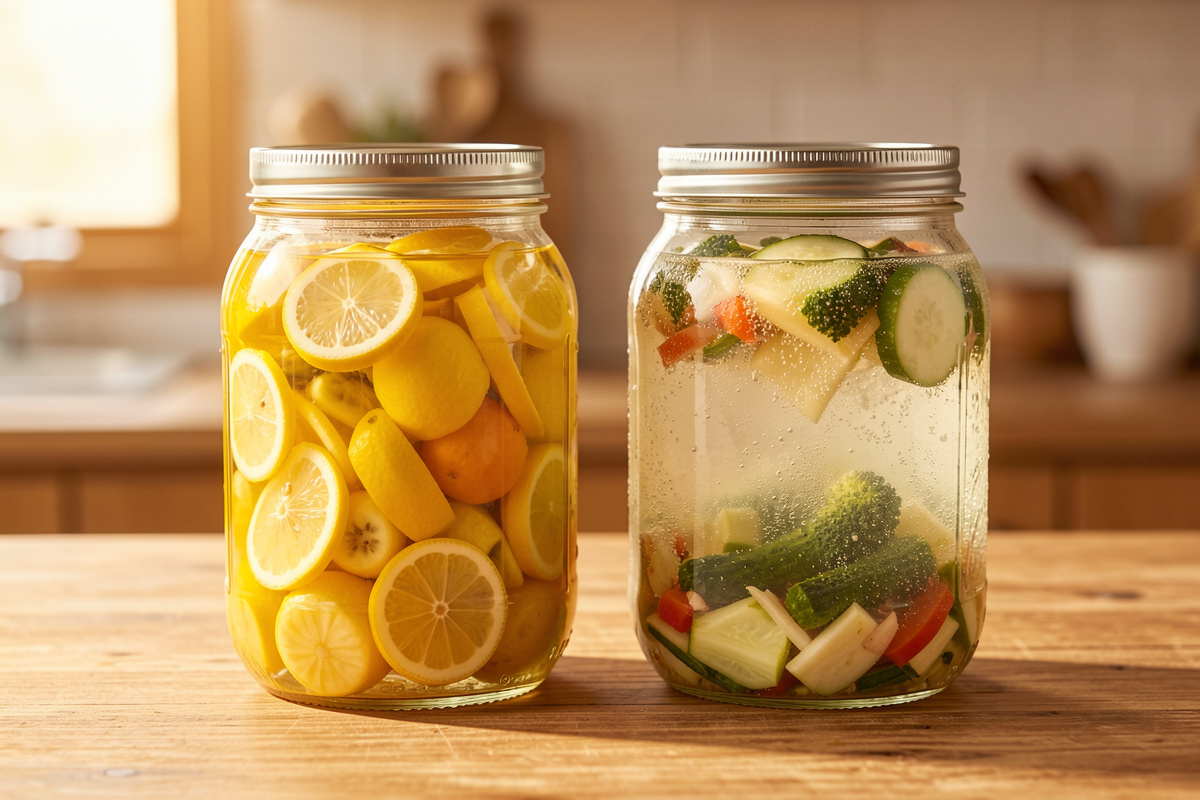
Quick pickling and lacto fermentation both end with a sour, preserved vegetable sitting below pH 4.6 — but they get there by opposite routes. Quick pickling adds acid from vinegar, so the jar is sour and shelf-safe within minutes. Lacto fermentation grows acid: you submerge vegetables in a salt brine and let Lactobacillus convert their sugars to lactic acid over days. On my pH meter a finished vinegar pickle reads around 3.4 and a finished sauerkraut around 3.5, but everything that happened in between is different.
I keep both running in my kitchen, and I reach for them for different reasons. When I want crunch and speed, I pickle. When I want depth, fizz, and live cultures, I ferment. Here is exactly how they compare, and how to decide which jar to make.
The Core Difference: Added Acid vs Grown Acid
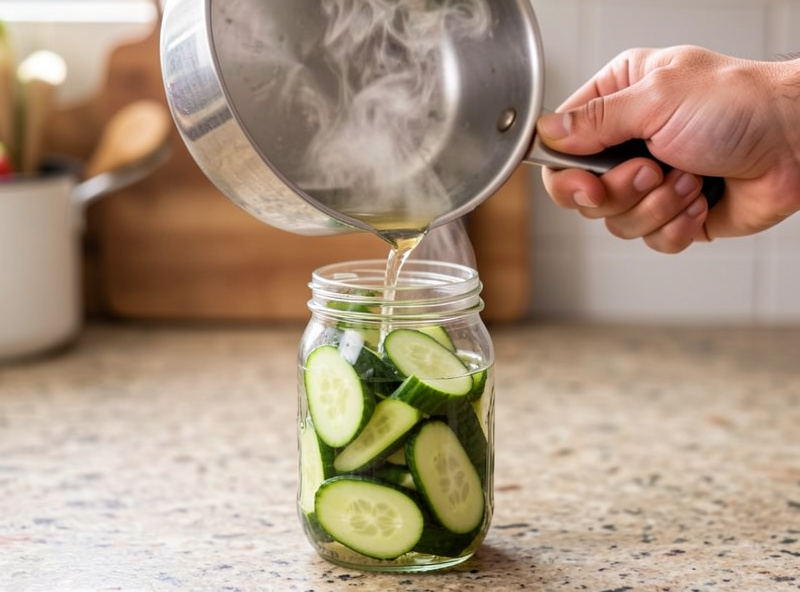
In a quick pickle, acetic acid arrives ready-made in the bottle of vinegar. You pour it over the vegetables and the acidity is set instantly — there is no biology, no culture, nothing alive doing work. The brine is a vinegar-and-water mix, salt is for flavor, and the moment you seal the jar it is preserved.
In a lacto ferment, you create conditions where Lactobacillus — bacteria already present on the vegetable and in the air — can outcompete everything else. That condition is a 2 to 3 percent salt brine with no oxygen. The bacteria eat the vegetable’s natural sugars and excrete lactic acid, and over several days the pH falls from a starting point near 6 down past 4.6 and on toward 3.5. Salt is the safety dial here, not flavor; too little and the wrong microbes get a foothold before the acid builds. That is the whole reason my lacto-fermentation guide obsesses over weighing salt to the gram, while my pickling guide treats salt as a seasoning.
Time, Effort, and Forgiveness
Quick pickling is the more forgiving of the two by a wide margin. The acid is already at a safe level, so there is no window where the batch can go wrong before it stabilizes — it is sour and safe from minute one. You can taste it in twelve hours and eat it the next day. The main ways to fail are textural, not microbial: soft pickles from heat or old cucumbers, never a dangerous jar if you used 5 percent vinegar.
Fermentation asks for patience and a little more attention. A batch takes anywhere from five days to several weeks depending on temperature, and there is a vulnerable early window before the pH drops where things can drift — that is what the salt and the submersion are guarding against. It is not hard once you understand the dials, but it is less hands-off than quick pickling. The payoff is complexity you cannot buy in a bottle. If you want fermentation’s crunch without the worry, the tannin trick for crunchy lacto pickles covers the texture side.
Flavor and Texture Compared
This is where the two diverge most. Vinegar pickles taste sharp, bright, and clean — the acetic acid is direct and assertive, and because you control the sugar, you can swing from puckering dill to candy-sweet bread and butter. Lacto ferments taste rounder, funkier, and more savory, with a gentle natural effervescence and a complexity that comes from the bacteria producing more than just acid. Sauerkraut and a vinegar-brined cabbage slaw are not the same food at all.
| Attribute | Quick (Vinegar) Pickle | Lacto Ferment |
|---|---|---|
| Acid source | Added vinegar (acetic acid) | Grown by Lactobacillus (lactic acid) |
| Time to ready | 12 hours to 1 day | 5 days to several weeks |
| Salt role | Flavor only | Safety dial (2 to 3 percent) |
| Flavor | Sharp, clean, sweet-or-sour by choice | Funky, rounded, savory, lightly fizzy |
| Texture | Crisp if unheated; firm | Crisp to tender, softens slowly with age |
| Live cultures | None | Yes (when raw and unheated) |
| Forgiveness | Very forgiving, safe instantly | Needs correct salt and submersion |
| Shelf-stable canning | Yes, with a tested recipe | No, stored cold |
Safety: Two Different Failure Modes
Both methods are safe when done right, but they fail differently, and knowing which failure you are guarding against is the whole game. A quick pickle’s risk is under-acidification: if you dilute the vinegar below the tested level in a shelf-stable jar, the pH never drops far enough and the jar is unsafe at room temperature. The fix is simple — use 5 percent vinegar and never weaken a canning recipe.
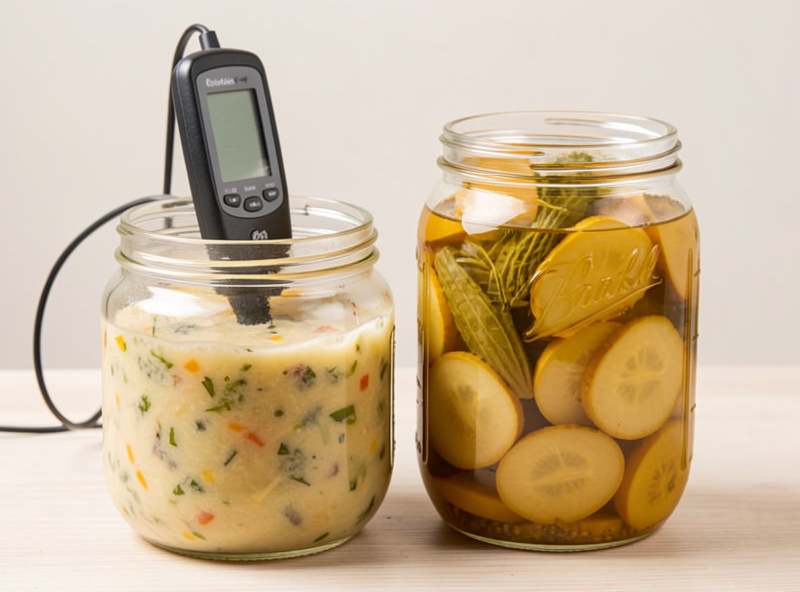
A ferment’s risk is the early window: before Lactobacillus has dropped the pH, an under-salted or oxygen-exposed brine can let the wrong organisms establish. The fix is correct salt by weight and keeping everything under the brine. In both cases the protective number is the same — pH 4.6, the acidified-foods line drawn by the National Center for Home Food Preservation — and a pH meter or strips let you confirm a finished ferment actually got there. White film on either is usually harmless kahm yeast; fuzzy colored growth is mold, and that jar goes in the bin regardless of method.
Shelf Life and Storage
A quick refrigerator pickle keeps one to two months cold, and a properly water-bath-canned vinegar pickle is shelf-stable for a year or more. A lacto ferment is not water-bath canned — heat would kill the cultures and ruin the texture — so it lives in the fridge, where it keeps for many months and slowly continues to sour and soften. If you want a vegetable on a pantry shelf for next winter, vinegar pickling is the answer; if you want a living, evolving jar in the fridge, ferment it.
Which Should You Make?
Make a quick pickle when you want speed, crunch, total control over sweetness, a shelf-stable result, or a no-stress first project. Make a lacto ferment when you want depth of flavor, live cultures, that gentle fizz, and you do not mind waiting and weighing salt. I do both constantly, and honestly the deciding factor is usually time: a vinegar pickle is dinner tomorrow, a ferment is dinner in two weeks. Start with quick pickling if you are new — it is the gentlest possible on-ramp — then graduate to fermentation when you want the complexity only living bacteria deliver.
Frequently Asked Questions
Are quick pickles fermented?
No. Quick pickles are preserved by vinegar added directly, so no fermentation occurs and there are no live cultures. Fermented pickles are made with a salt brine where Lactobacillus bacteria produce lactic acid over days. They taste and behave quite differently.
Which is healthier, vinegar pickles or fermented vegetables?
Fermented vegetables contain live cultures when raw and unheated, while vinegar pickles do not. Both are low-calorie vegetables preserved in acid. I treat both as food and flavor rather than medicine and make no health claims beyond that fermented jars carry live bacteria.
Can I taste the difference between the two?
Easily. Vinegar pickles taste sharp, clean, and as sweet or sour as you make them. Lacto ferments taste funkier, rounder, and savory with a light natural fizz. A vinegar cabbage slaw and real sauerkraut are not the same food at all.
Which method is safer for a beginner?
Quick pickling. The vinegar makes the jar sour and safe instantly, so there is no vulnerable window. Fermentation is also safe but requires correct salt by weight and keeping vegetables submerged during the early days before the pH drops below 4.6.
Can I ferment first and then add vinegar?
You can, and some recipes do refrigerate a finished ferment in a light vinegar brine for stability and tang. But adding vinegar at the start prevents fermentation entirely, since the acid stops Lactobacillus before it can work. Choose one path per jar.
Related Guides
- Pickling and Brined Vegetables: The Complete Guide — the full vinegar-pickling hub.
- Pickling Brine Ratios — the vinegar, water, and salt numbers.
- Refrigerator Pickles vs Canned Pickles — the other big pickling decision.
- Lacto-Fermentation for Vegetables — the grown-acid road in full.
- Sauerkraut Salt Percentage, Tested — why salt is the safety dial in fermentation.

About Kenny Nyhus Fadil
A home fermenter documenting brines, bubbles, and the occasional moldy tragedy.