Using Your Vinegar Mother to Build Drinking Vinegars

To build a drinking vinegar from your own mother, draw off a portion of fully-soured raw vinegar, confirm it’s acidic enough — under about pH 3.5 on a meter — then sweeten and infuse it into a light, sippable tonic. The live Acetobacter mother you keep for salad vinegar is the same culture that makes the softest, most complex drinking vinegars you’ll ever taste, and once it’s established the raw material is essentially free. This is the format that makes a vinegar operation earn its shelf space.
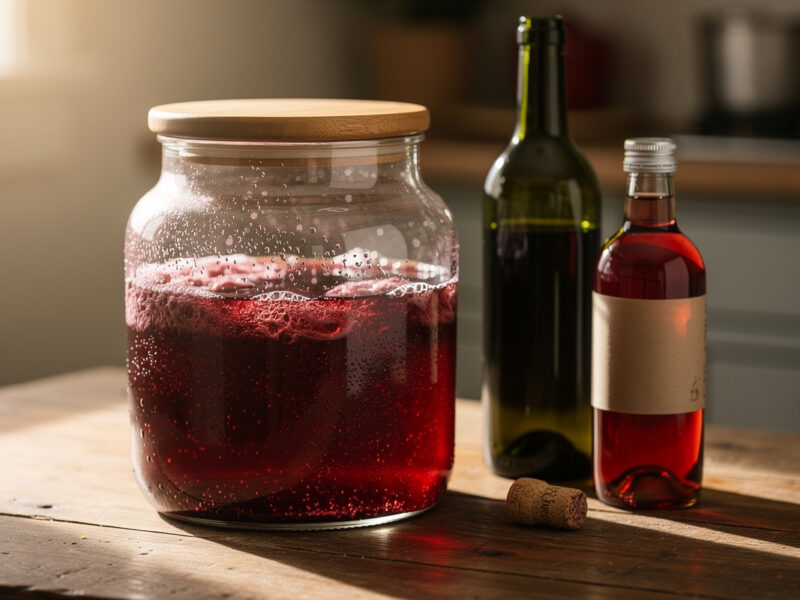
My mother has been going for months, back-slopped off leftover wine and the tail ends of cider batches, and it produces vinegar with a roundness that pasteurized supermarket bottles simply don’t have. A drinking vinegar off a live mother is lighter than a shrub concentrate — thinner, less sweet, more about the character of the vinegar itself. It’s where a fermenter’s edge really shows. Here’s how to pull it, prove it’s safe, and turn it into something you actually want to drink.
What Is a Vinegar Mother and How Does It Make Vinegar?
A vinegar mother is a gelatinous mat of cellulose and Acetobacter bacteria that converts alcohol into acetic acid in the presence of oxygen. Feed it something alcoholic — wine, hard cider, flat beer, diluted spirits — expose it to air, and over two to four weeks it eats the ethanol and drops the liquid’s pH into true vinegar territory, roughly 2.4 to 3.4.
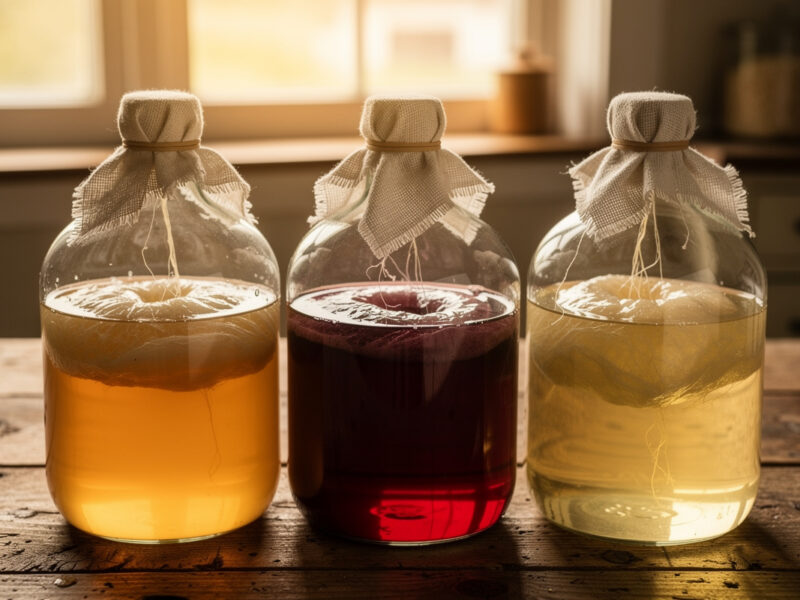
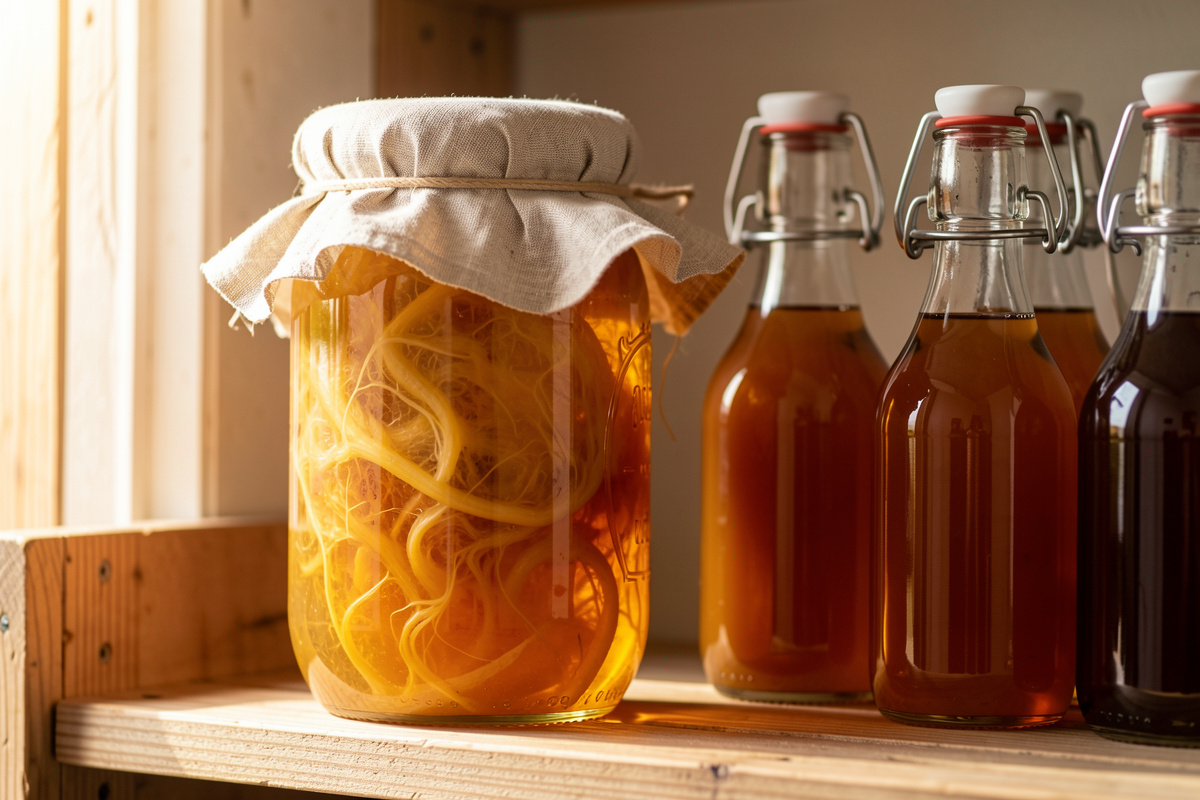
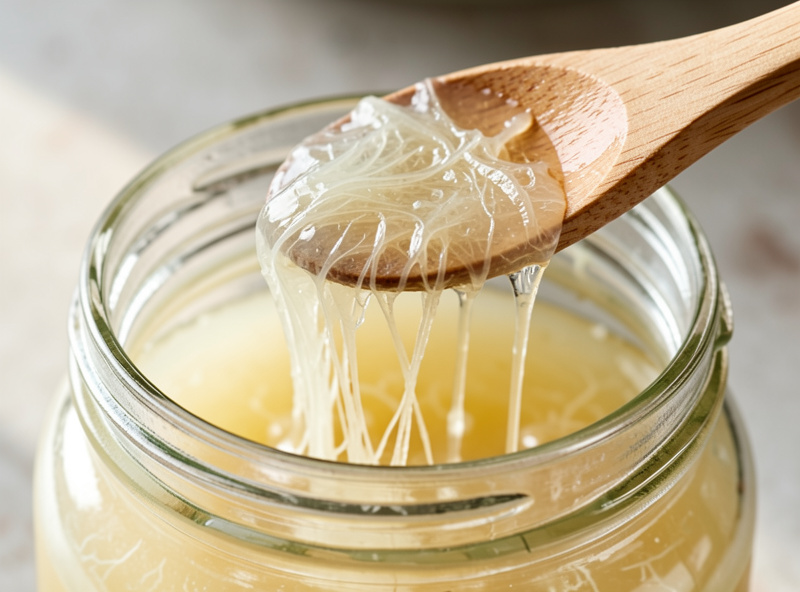
The mother itself looks alarming the first time you see one — a translucent, slimy, rubbery disc floating on the surface — but it’s the engine of the whole thing. It’s not the same as a kombucha SCOBY, though they’re cousins; both are Acetobacter-driven cellulose pellicles. Mine lives in a wide-mouth jar under a cloth cover, because the process is aerobic: it needs oxygen at the surface, which is exactly why a sealed jar makes a poor vinegar vessel. If you’re starting one, the container and its surface area matter more than anything, and I walk through that in the best vessels for brewing vinegar at home.
The feedstock decides the flavor. Leftover red wine becomes a robust red wine vinegar; the last flat inch of a homemade hard cider becomes a bright cider vinegar; a country fruit wine becomes something you can’t buy at any price. That range is what makes homemade vinegar such good drinking-vinegar stock — you’re not limited to what a factory bottles.
When Is Your Vinegar Ready to Drink?
Your vinegar is ready to use as a drinking base once it has fully soured and reads acidic — I want it under pH 3.5 on my meter, and ideally in the 2.4 to 3.4 range of a finished vinegar. Until it gets there, it isn’t a reliable drinking base, and this is the one step where you don’t guess. A young vinegar that still tastes sweet and only lightly sour hasn’t dropped far enough, and drinking under-acidified vinegar defeats the entire safety logic of the format.
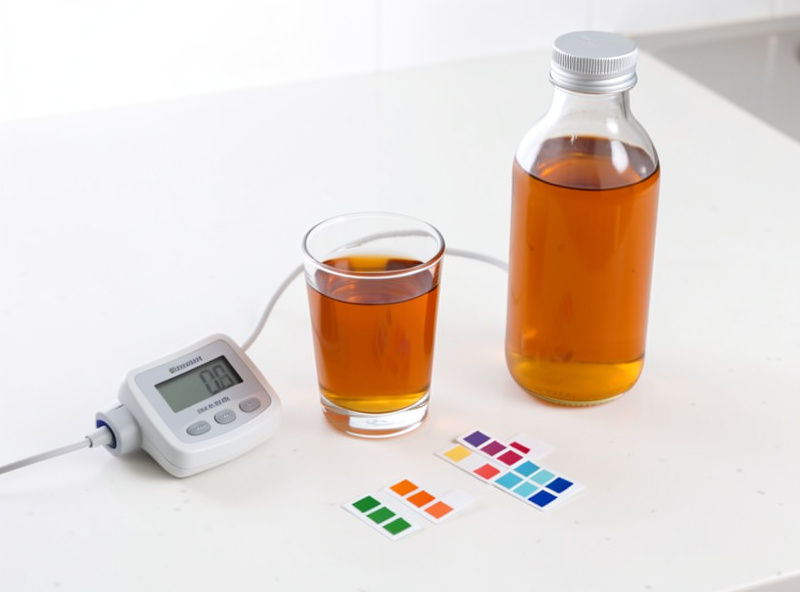
This is where the measurement bench pays off. I check every batch on a calibrated pH meter, with backup strips for a cross-check, before it goes anywhere near a glass. The taste test backs it up: finished vinegar is sharply, cleanly sour with no residual sweetness and a strong acetic nose. If you don’t own a meter yet, reliable pH test strips in the 2.0 to 4.0 range will get you close enough to confirm a batch has soured — though for anyone running multiple ferments a proper meter is the better long-term buy. The reason the number matters: the whole family of drinking vinegars is safe because it sits below pH 4.6, the line the FDA’s acidified foods guidance sets as the floor under which foodborne pathogens can’t establish. Miss that line and you’ve lost the protection.
As an Amazon Associate I earn from qualifying purchases.
How Do You Draw Vinegar Off Without Killing the Mother?
Draw off no more than two-thirds of the liquid at a time, leave the mother and enough vinegar behind to keep it covered, then feed it fresh alcohol to rebuild — this is continuous vinegar-making, the same back-slop logic I use across the bench. Pull the finished vinegar gently from the side with a ladle or a spigot, disturbing the mother as little as possible. It doesn’t need to be submerged, but it shouldn’t dry out.
Once you’ve drawn your vinegar, top the vessel back up with more wine or cider and the mother gets straight back to work. A healthy mother will often throw a new daughter layer on the fresh batch. If yours sinks, that’s fine — a mother on the bottom still works; a new one usually forms on top. The only real failure mode is letting the whole thing dry out or capping it airtight so the aerobic bacteria suffocate. I keep mine as a continuous system, drawing off a cup or two whenever I need vinegar and feeding it back, which means I always have drinking stock on hand without ever starting from scratch.
How Do You Turn Raw Vinegar Into a Drinking Vinegar?
Sweeten the finished vinegar lightly and infuse it with fruit or herbs — a drinking vinegar off the mother is thinner and less sweet than a shrub, so think 1 part sweetener to 4 or more parts vinegar, not the 1:1 of a shrub. Warm a little of the vinegar, dissolve honey or sugar into it, stir it back into the batch, then add your flavoring and let it steep a few days in the fridge.
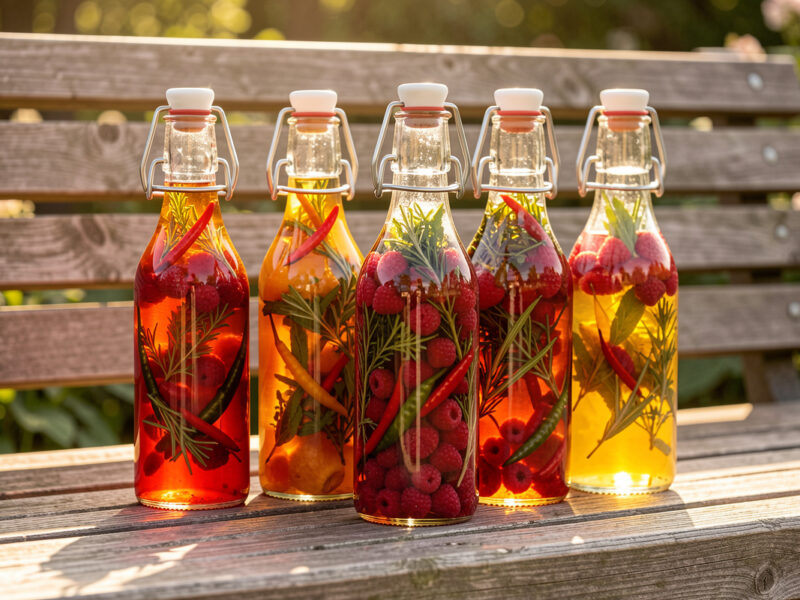
Because you’re starting from real vinegar rather than building acidity from fruit and store-bought vinegar, you have more room to feature the vinegar’s own character. A good red wine vinegar off the mother needs almost nothing — a little honey and a few raspberries. A cider vinegar loves ginger, cinnamon, or apple. For herb and spice infusions, the techniques in my infused vinegar recipes transfer directly; you’re just sweetening the result to drink rather than keeping it for the kitchen. Serve it like any drinking vinegar: a splash in cold sparkling water, lighter than you’d pour a shrub because it’s already a thinner tonic.
How Does This Differ From a Shrub?
A shrub builds its acidity by adding vinegar to a heavy fruit-and-sugar maceration, producing a thick, sweet concentrate; a mother-built drinking vinegar starts from finished raw vinegar and stays lighter, thinner, and more vinegar-forward. Both are safe, both are delicious, but they’re different drinks with different jobs.
The shrub is fruit-first — the vinegar is a supporting acid. The mother tonic is vinegar-first — the fruit or herb is an accent on a vinegar you’re proud of. If you want the fuller, jammier, more dessert-like drink, make a fruit shrub. If you want something bracing and light that showcases a vinegar you brewed yourself, build it off the mother. And if you want the fastest, fruit-free option of all, that’s switchel. The complete drinking-vinegar guide maps how all three relate, but the short version is this: the sauerkraut crock and the vinegar jar are running the same acid chemistry — Lactobacillus and Acetobacter dropping pH — at different addresses, and a drinking vinegar is just that chemistry poured into a glass.
Is Homemade Drinking Vinegar Safe?
Yes, provided it’s genuinely soured. Properly finished vinegar sits at pH 2.4 to 3.4, far below the 4.6 line where pathogens grow, so a fully-acidified drinking vinegar is one of the safest home ferments there is. The mother’s cloudy strands and any sediment are harmless — that’s living vinegar, not spoilage.
The single caveat is the one already covered: confirm acidity before drinking. Under-soured vinegar, or a low-vinegar fruit infusion left warm, is the only way to get this format wrong. Cloudiness is fine; fuzzy, raised, colored mold on the surface is not, and on the rare occasion it appears you discard the batch and clean the vessel — though at true vinegar acidity that essentially never happens. As with every drink in this family, these are food and flavor, not medicine; I make no health claims for them, and the appeal is simply that a vinegar you brewed yourself makes a better drink than anything you can buy.
Can I drink vinegar made from my own mother?
Yes, once it has fully soured to true vinegar acidity, roughly pH 2.4 to 3.4, and ideally confirmed under 3.5 on a meter or strips. At that point it is safe and makes an excellent drinking-vinegar base. Sweeten it lightly and infuse with fruit or herbs. Do not drink young vinegar that is still sweet, since it has not acidified enough to be a reliable base.
How do I know when my homemade vinegar is finished?
Finished vinegar is sharply and cleanly sour with no residual sweetness and a strong acetic aroma, and it reads in the 2.4 to 3.4 pH range on a meter. The alcohol should be fully converted, which for a wine or cider base typically takes two to four weeks of aerobic fermentation. Testing pH is the reliable confirmation; taste is the backup.
Is the cloudy stuff in my vinegar mold?
Almost always no. Cloudiness, sediment, and slimy strands are the mother and living vinegar, which are harmless. Real mold is fuzzy, raised, and colored, growing on the surface. At true vinegar acidity mold essentially never forms. If you ever see genuine fuzzy colored growth, discard the batch and clean the vessel, but expect this to be rare.
How much vinegar can I take from the jar at once?
Draw off up to about two-thirds of the liquid at a time, leaving the mother and enough vinegar behind to keep it from drying out. Then feed the jar fresh wine or cider to rebuild. This continuous back-slopping keeps a healthy mother producing indefinitely, so you always have drinking-vinegar stock without starting a new culture.
Do I need to pasteurize homemade drinking vinegar?
No. The acidity itself preserves it, so raw drinking vinegar keeps essentially indefinitely refrigerated. Some people gently heat vinegar to stop a new mother forming in the bottle, but that is a texture and appearance choice, not a safety requirement. Leaving it raw preserves the live character that makes homemade vinegar worth drinking in the first place.
Keep Building
- Shrubs, Switchel and Drinking Vinegars: The Complete Guide
- The Best Vessels for Brewing Vinegar at Home
- Infused Vinegar Recipes and Methods
- How to Make a Fruit Shrub: Cold vs Hot Method Compared
- Making Hard Cider at Home: A Beginner Guide

About Kenny Nyhus Fadil
A home fermenter documenting brines, bubbles, and the occasional moldy tragedy.
Keep Bubbling
How to Make Red Wine Vinegar at Home (From Bottle to Bottle)
Infused Vinegar Recipes and Methods: Herbs, Fruit, and Heat