Continuous Brew vs Batch Kombucha: Which Method Wins?

Batch brewing ferments one full jar of kombucha at a time and empties it completely before starting over; continuous brew keeps a large spigoted vessel always going, drawing off a portion each week and refilling with sweet tea. Batch gives you more control and a smaller setup; continuous brew gives you less work, a steady supply, and a healthier SCOBY. Most brewers start with batch and graduate to continuous.
This is the first real fork every kombucha brewer hits once the basics click: do you keep brewing in jars, or do you set up a tap. I have run both for years, and the honest answer is that neither is “better” in the abstract — they suit different drinkers. My own kitchen settled on a continuous-brew vessel that has run uninterrupted for nearly two years, but I still keep a batch jar going for one-off experiments. Here is exactly how each method works, what each does to your SCOBY and your schedule, and how to pick the one that fits how much kombucha you actually drink.
How Batch Brewing Works
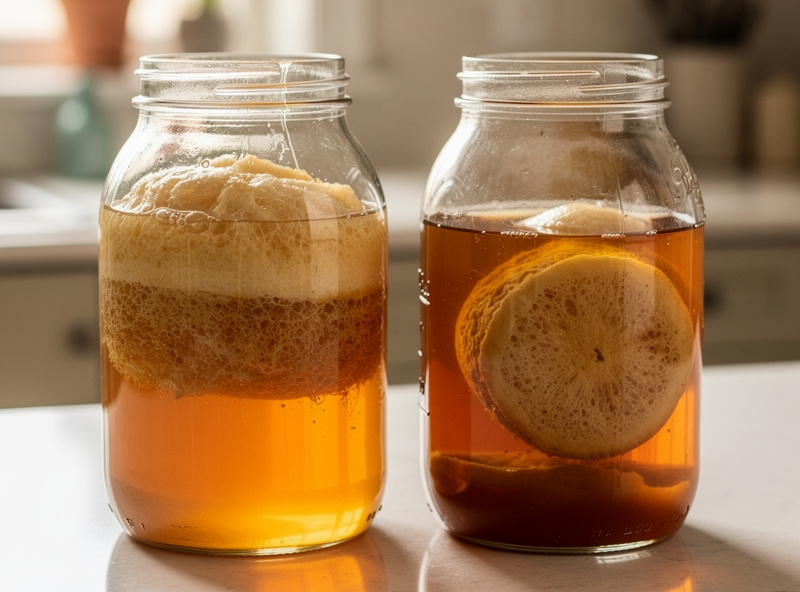
Batch brewing is the method everyone learns first: brew a jar of sweet tea, add the SCOBY and starter, let it ferment seven to fourteen days, then bottle the whole thing and start a fresh jar. Each batch is a discrete cycle with a clear beginning and end, which makes it easy to taste, track, and adjust.
The appeal of batch is control. You taste the brew at day seven, day ten, day fourteen, and you bottle exactly when it hits the sweet-sour balance you like — every batch is a clean decision. It is also cheap to start: a single wide-mouth jar, a cloth cover, and you are brewing. The trade-off is handling and exposure. Every time you empty a jar and start over, the new batch begins at a relatively high pH and has to acidify from scratch, and that early window — before the starter liquid has dropped the pH into safe territory — is the most vulnerable point in the whole process. It is why every batch needs a solid slug of mature starter, and why a neglected, under-acidified batch is where most mold stories begin. Done attentively, batch brewing is completely reliable; it just asks for that attention on a fixed cycle.
How Continuous Brew Works
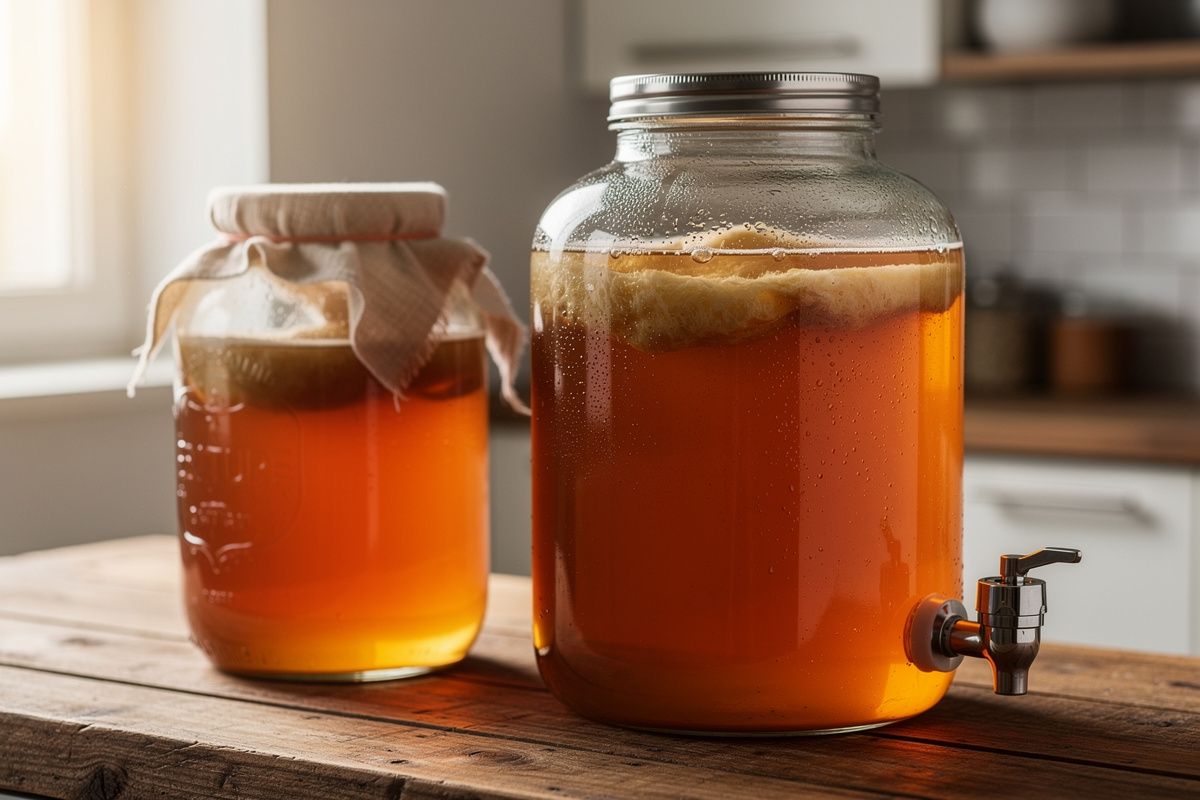
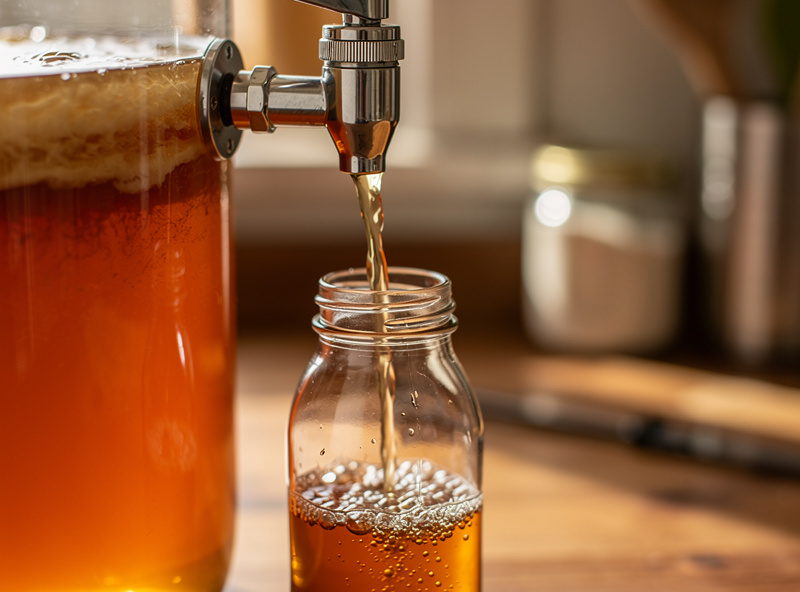
Continuous brew (CB) uses one large vessel — typically one to three gallons — fitted with a spigot near the bottom. Instead of emptying it, you draw off a quarter to a third of the finished kombucha through the tap each week and refill from the top with fresh sweet tea. The SCOBY and the bulk of the acidic liquid never leave the vessel.
That “never leaves” part is the whole advantage. The mother culture sits undisturbed in a permanent bath of low-pH liquid, so the system is always acidic and always protected — there is no vulnerable fresh-start window because you are never starting fresh. You draw mature kombucha off the bottom (where it is oldest and most fermented) and the sweet tea you add at the top blends into the steady state. On my meter a running CB vessel barely moves off its acidic baseline week to week, which is exactly why CB is gentler on the culture and more forgiving of a missed feeding than batch is. The catch is the hardware: the vessel is bigger and pricier, and the spigot material genuinely matters — more on that below, because it is the one place a CB setup can quietly go wrong.
Continuous Brew vs Batch: Side by Side
Here is how the two methods compare across the things that actually shape your week — setup cost, ongoing effort, how steady your supply is, and how the SCOBY fares. The differences are real but neither column is “wrong”; it is about matching the method to your drinking habit.
| Factor | Batch Brew | Continuous Brew |
|---|---|---|
| Setup cost | Low (one jar) | Higher (large spigoted vessel) |
| Weekly effort | More (empty, clean, restart) | Less (draw off, top up) |
| Supply | Comes in waves per batch | Steady, always available |
| SCOBY health | Good, with restart windows | Excellent, never disturbed |
| Flavor control | High (taste each batch) | Consistent but less granular |
| Mold risk | Slightly higher (restart window) | Lower (always acidic) |
| Best for | Beginners, experimenters | Daily drinkers, low-fuss |
Disclosure: FermentFoundry is reader-supported. As an Amazon Associate I earn from qualifying purchases made through links in this article, at no extra cost to you. I only point to gear I actually use or would buy for my own kitchen.
The Continuous Brew Vessel and the Spigot Trap
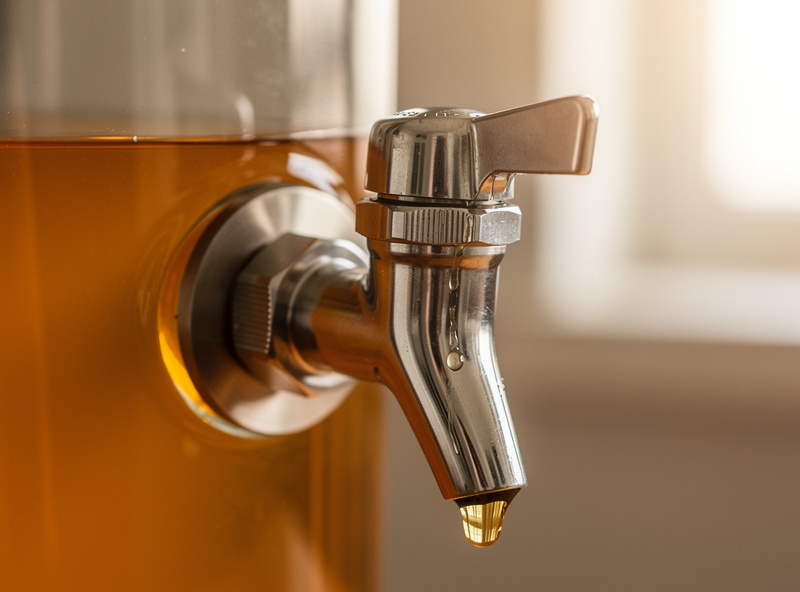
The single most important choice in a CB setup is the spigot. It must be food-grade stainless steel or BPA-free plastic — never brass or low-grade metal, because kombucha’s acidity will leach metals out of the wrong material over months of contact. A glass or porcelain vessel with a quality stainless spigot is the safe, durable choice.
This is the one CB pitfall worth being firm about. Plenty of cheap “kombucha jars” ship with a brass-look spigot or an unlabelled metal tap, and a brew that sits in constant contact with acidic liquid is exactly the wrong place for a questionable alloy. I run a wide continuous brew vessel with a stainless spigot, and a glazed porcelain brewing crock is the other format I trust — both keep the brew away from any sketchy metal. One more detail people miss: mount the spigot a little above the very bottom, so the yeast sediment that settles out collects below the tap instead of pouring into every glass. Glass also lets you watch the culture, while porcelain blocks light, which some brewers prefer; either works as long as the tap is right.
The Continuous Brew Weekly Workflow
Running a CB vessel takes about ten minutes a week. Draw off a quarter to a third of the volume through the spigot into bottles for second fermentation, then refill the same amount with fresh, cooled sweet tea poured gently down the side. Never draw off more than a third at once, or you dilute the acidity too far.
The one-third rule is the discipline that keeps CB safe. The acidic mature liquid is what protects the vessel, so if you drain it too low and flood it with sweet tea, you push the pH up into that vulnerable zone you were trying to avoid in the first place. Keep the draws modest and regular and the steady state holds itself. Every few months I pull the SCOBY out, peel off and compost the oldest bottom layers, give the vessel a rinse with strong starter or plain water (never soap residue), and set it going again — a CB vessel does not need deep cleaning often, but the culture stack does want thinning so it does not crowd the tap. The kombucha you draw off goes straight into bottles with fruit or juice for the fizzy second ferment, the same as a batch.
Which Should You Choose?
Start with batch if you are new, brew occasionally, or love experimenting with flavors and timings. Move to continuous brew if you drink kombucha most days and want a low-effort, always-on supply. Many brewers, myself included, run a CB vessel as the daily workhorse and keep a small batch jar for trying new teas and one-off ideas.
There is no rule that you must pick one forever. The skills transfer completely — same tea, same sugar, same SCOBY, same second fermentation — so moving from batch to CB is just a change of vessel, not a relearn. If you are still finding your feet, stay with batch until reading the culture and timing the ferment feels automatic; the per-batch feedback teaches you faster. Once kombucha is a fixture in your fridge and the novelty of babysitting each jar has worn off, the tap pays for itself in saved minutes every week. And whichever you run, keep a SCOBY hotel on the side — it is your backup culture and your supply of the strong starter that both methods depend on.
Frequently Asked Questions
Is continuous brew better than batch brewing kombucha?
Neither is universally better. Continuous brew is lower-effort, gives a steady supply, and is gentler on the SCOBY; batch brewing is cheaper to start and offers more control over each batch. Daily drinkers favor continuous; beginners and experimenters favor batch.
How much kombucha do you draw off in continuous brew?
Draw off a quarter to a third of the vessel each week and refill the same amount with fresh sweet tea. Never take more than a third at once, or you dilute the acidity too far and push the pH into a less protected zone.
What kind of spigot is safe for kombucha?
Use food-grade stainless steel or BPA-free plastic only. Avoid brass or unlabelled metal taps, because kombucha’s acidity can leach metals from the wrong material over months of constant contact. Pair it with a glass or porcelain vessel.
Does continuous brew kombucha get too sour?
It can if you draw off too little or wait too long. The fix is regular weekly draws of a quarter to a third, which keeps fresh sweet tea cycling in. Drawing from the bottom takes the oldest, most fermented liquid first.
Can I switch from batch to continuous brew?
Yes, easily. The tea, sugar, SCOBY, and second fermentation are identical, so it is only a change of vessel. Move your existing SCOBY and a good volume of mature starter into a spigoted vessel, top up with sweet tea, and continue.
How often do you clean a continuous brew vessel?
Only every few months. Pull the SCOBY, compost the oldest bottom layers, and rinse the vessel with strong starter or plain water — never soap residue. A continuous brew needs far less cleaning than batch because the culture is never fully disturbed.
Related Articles
- Kombucha Brewing: The Complete Home Guide from SCOBY to Bottle
- SCOBY Hotel: How to Store, Feed, and Revive Kombucha Cultures
- Best Tea for Kombucha: Black, Green, Oolong, and White
- Why Is My Kombucha Not Fizzy? 6 Fixes for Flat Second Fermentation
- Fermentation Equipment: The Complete Home Brewer Toolkit

About Kenny Nyhus Fadil
A home fermenter documenting brines, bubbles, and the occasional moldy tragedy.