Baek Kimchi: White Kimchi Recipe with No Chili Heat

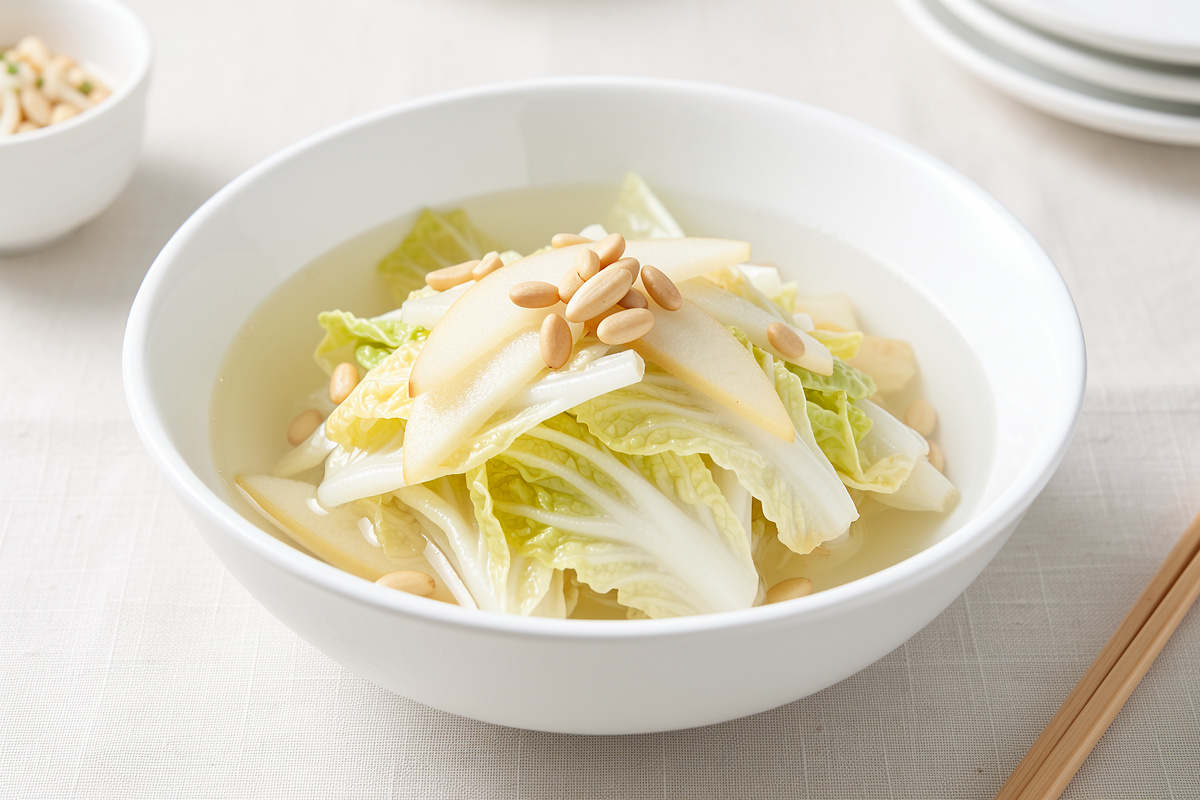
Baek kimchi is the kimchi people are surprised to learn exists: a white kimchi made with no gochugaru at all, no chilli heat, just clean garlic-and-ginger savouriness, the sweetness of pear, and a delicate brine-borne sourness. It is the most elegant kimchi I make and the one I reach for when the table needs something gentle — alongside light fish, in a clear broth, or for anyone who finds red kimchi too aggressive. After years of running it as a special-occasion ferment in my kimchi rotation, I have learned it rewards a lighter hand and a cooler ferment than the red kinds.
If you have made napa cabbage kimchi before, baek kimchi will feel familiar in its bones — same cabbage, same salt-rinse, same two-stage fermentation — but the flavour goal is the opposite: subtle and refreshing rather than bold and spicy. This guide is the full recipe, the brine logic, and how to keep it tasting clean rather than flat.
What Baek Kimchi Is
Baek kimchi (백김치, “white kimchi”) is napa cabbage kimchi made without gochugaru, so it stays pale rather than red. In place of the chilli paste, the cabbage is stuffed and bathed in a light, lightly sweet brine flavoured with garlic, ginger, Asian pear or apple, and often pine nuts, jujube, and chestnut. The result is crunchy, gently sour, savoury-sweet, and completely free of heat. It is a traditional Korean kimchi in its own right, often served in winter and for guests who do not eat spicy food.
| Feature | Baek kimchi (white) | Baechu kimchi (red) |
|---|---|---|
| Chilli | None — no gochugaru | Gochugaru paste |
| Flavour | Clean, gently sour, savoury-sweet | Spicy, bold, deeply umami |
| Binding | Light sweetened brine, no thick paste | Thick gochugaru rice paste |
| Aromatics | Garlic, ginger, pear, pine nuts, jujube | Garlic, ginger, fish sauce, scallion |
| Counter ferment | 2-3 days at 18 C (cooler, gentler) | 1-3 days at 18-22 C |
| Best with | Light fish, clear broths, mild palates | Rice, eggs, grilled meat, stews |
Because there is no gochugaru shielding the flavour, every other ingredient shows clearly in baek kimchi — which means the quality of your garlic, ginger, and pear matters more than it does in a red kimchi where the chilli dominates. It is a kimchi that exposes shortcuts, so I make it when I have good fresh aromatics on hand.
The Cabbage and the Salt-Rinse
Baek kimchi starts exactly like red napa kimchi. Quarter the napa lengthways, salt between the leaf layers (about 60 grams of unrefined sea salt per kilogram of cabbage), and rest 3-5 hours at room temperature, flipping halfway, until the leaves are pliable. Rinse thoroughly under cold water — three rinses — and drain in a colander for 30 minutes. The cabbage should bend without snapping and carry a faint residual saltiness.
This salt-rinse step is non-negotiable for baek kimchi just as it is for red: it wilts the leaves so they take the brine, and it sets the residual salt the lactobacillus needs to drive the fermentation safely. Under-salting is the most common cause of baek kimchi going slimy or off, because there is no chilli or thick paste to add protection — the brine and the salt are the entire safety system here. Weigh the salt; do not eyeball it.
Building the Sweetened Brine and Stuffing
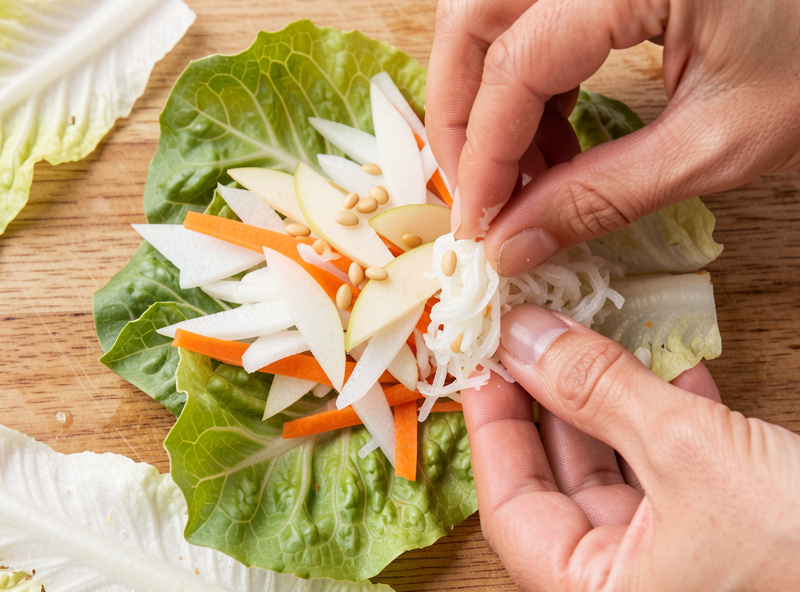
Instead of a thick paste, baek kimchi uses a thin, lightly sweet brine. For the stuffing that goes between the leaves, combine julienned Korean radish, julienned carrot, finely sliced garlic and ginger, slivers of Asian pear (the natural sweetness), pine nuts, and optional slivered jujube and chestnut, plus a little scallion. Tuck a small amount of this mixture into each leaf layer of the quartered cabbage, just as you would paste a red kimchi.
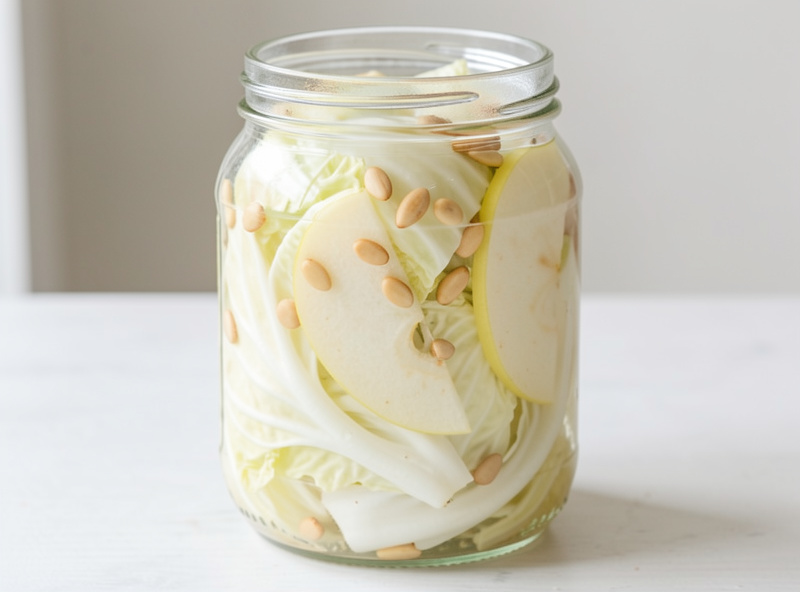
The separate brine is the signature of baek kimchi: water lightly salted to about a 2 percent solution, sweetened with a little blended Asian pear or a small amount of sugar, sometimes with a spoonful of glutinous rice porridge whisked in for body. Pack the stuffed cabbage into a jar and pour the brine over until the cabbage is just covered. The cabbage ferments submerged in this gently sweet liquid, which becomes a refreshing drinking-broth in its own right as the kimchi matures — one of the best parts of baek kimchi.
Fermenting Baek Kimchi
Baek kimchi ferments gentler and cooler than red kimchi. I run the counter stage at around 18 C for 2-3 days rather than pushing it warmer — the goal is a soft, clean acidity, not the bold tang of red kimchi. You will see light bubbling and the brine will turn faintly cloudy and start to taste pleasantly sour. At that point, move it to the fridge.
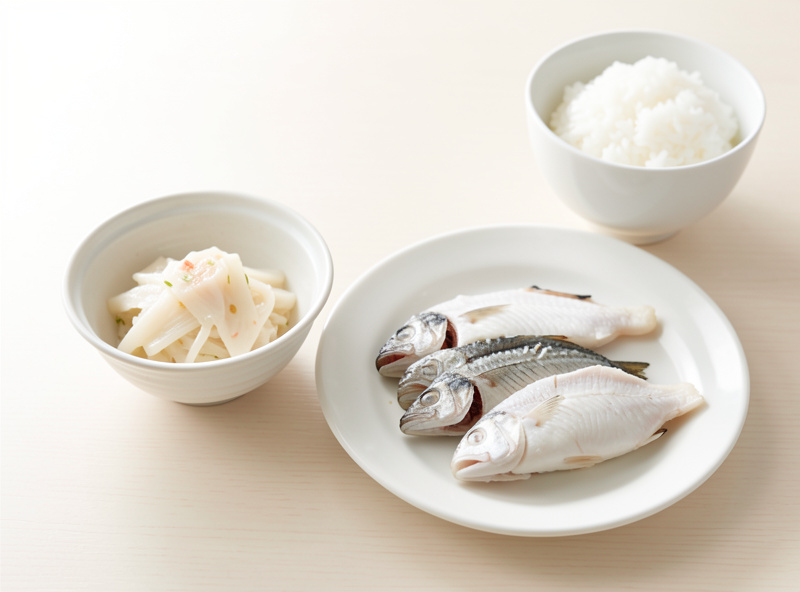
In the fridge at 2-5 C, baek kimchi keeps developing slowly and holds well for 4-5 months. It stays crunchier than red kimchi tends to because there is no acidic paste pressing on the leaves, and the flavour deepens into a more complex sour-sweet over the first month. The same fermentation logic from my guide to how long kimchi lasts applies: keep it submerged, use clean utensils, and a thin papery film is harmless kahm yeast while fuzzy raised growth is mold.
Serving and Storing
Baek kimchi shines next to delicate dishes where red kimchi would overwhelm — steamed or grilled white fish, plain rice, soft tofu, clear soups. The drinking-brine, chilled, is a refreshing palate cleanser and a traditional accompaniment in its own right; spoon some into the bowl when serving. It is also the kimchi to make for children or guests who cannot handle chilli heat, which is why it earns its place as my special-occasion and “mixed table” kimchi.
Store it cold and submerged in an airtight kimchi container so the surface stays under the brine and the delicate flavour does not pick up fridge odours. Because baek kimchi is mild, it does not develop the deeply sour cooking-grade character that aged red kimchi does — it is best eaten in its fresh-to-middle window rather than aged for months for stews.
As an Amazon Associate I earn from qualifying purchases. Links are to product searches, not specific listings, and add no cost to you.
A Note on Baek Kimchi’s Watery Cousins
Baek kimchi sits next to a small family of mild, brine-led Korean ferments that are worth knowing if you enjoy it. Dongchimi is a radish water kimchi — whole or chunked radish fermented in a clear lightly salted brine, famous as the broth base for cold dongchimi-guksu noodles in summer. Nabak kimchi is a pink-tinged water kimchi that uses a whisper of gochugaru steeped in the brine for colour without real heat. All three share the same principle as baek kimchi: the brine is the medium and the flavour, the salt is the safety system, and the result is refreshing rather than fiery. Once you are comfortable making baek kimchi, these are an easy next step using the same cabbage-and-brine logic and the same submerged, cool fermentation.
Frequently Asked Questions
What is baek kimchi?
Baek kimchi is white kimchi — napa cabbage kimchi made without any gochugaru, so it stays pale and free of chilli heat. Instead of a red paste, the cabbage is stuffed and bathed in a light, lightly sweet garlic-ginger-pear brine, giving a clean, gently sour, savoury-sweet flavour suited to delicate dishes.
How is baek kimchi different from regular kimchi?
Regular baechu kimchi uses a thick spicy gochugaru paste and tastes bold and hot. Baek kimchi uses no chilli and a thin sweetened brine instead of paste, so it is mild, crunchy, and refreshing. The cabbage prep and two-stage fermentation are the same; only the flavouring and binding differ.
Can I make baek kimchi without fish sauce?
Yes, and many traditional versions are light on or free of fish sauce, relying on garlic, ginger, pear, and a salted brine for flavour. This makes baek kimchi naturally easy to keep vegetarian. If you want extra savoury depth, a small amount of fish sauce or a kelp-based broth works without making it spicy.
How long does baek kimchi last?
Refrigerated at 2-5 C and kept submerged, baek kimchi holds well for 4-5 months. It tends to stay crunchier than red kimchi because there is no acidic paste pressing on the leaves. It is best eaten in its fresh-to-middle window rather than aged for months, since the mild flavour does not turn into cooking-grade sour.
Why did my baek kimchi turn slimy?
Sliminess usually means under-salting let the wrong bacteria take over. Because baek kimchi has no protective chilli paste, the weighed salt and proper brine concentration are the entire safety system. Use about 60 grams of salt per kilogram of cabbage for the rinse and a roughly 2 percent brine, and keep the cabbage fully submerged.
Related Guides on FermentFoundry
- Homemade Kimchi: The Complete Guide from Cabbage to Stew
- Easy Napa Cabbage Kimchi Recipe for Beginners
- How Long Does Kimchi Last? Storage and Spoilage Guide
- Kkakdugi: Crunchy Korean Cubed Radish Kimchi Recipe

About Kenny Nyhus Fadil
A home fermenter documenting brines, bubbles, and the occasional moldy tragedy.
Keep Bubbling
Kimchi Pancake (Kimchijeon): The Best Use for Sour Kimchi
Vegan Kimchi: How to Make It Taste Real Without Fish Sauce