Best Peppers for Hot Sauce: Jalapeño to Ghost

The best peppers for hot sauce balance heat, flavour, and fermentability — and for most home batches that means jalapeño for body, habanero for fruit and aroma, and ghost pepper only when you actually want pain. I have run mash batches of all three side by side from my own garden peppers, and the pepper choice decides more about the final bottle than the salt or the timeline does.
This guide ranks the peppers I keep coming back to, with the Scoville numbers that matter, how each one behaves in a 3% salt ferment, and the blends that give a sauce more than one note. Everything here is built on the same lacto-fermentation chemistry covered in my complete fermented hot sauce guide — this is the pepper-selection layer underneath it.
Disclosure: FermentFoundry is reader-supported. As an Amazon Associate I earn from qualifying purchases made through links in this article, at no extra cost to you. I only point to seeds and gear I actually grow or use in my own kitchen.
Understanding the Heat Scale Before You Pick
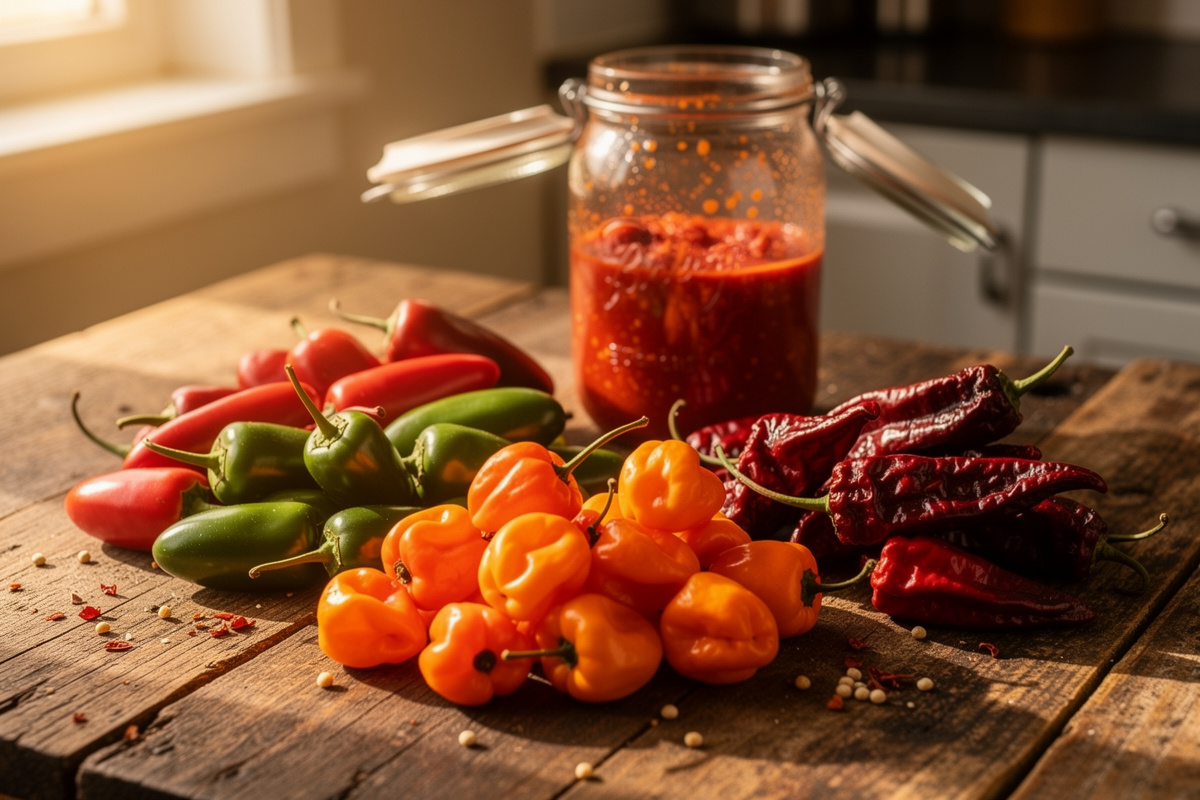
Scoville Heat Units (SHU) measure capsaicin concentration. Jalapeños sit at 2,500–8,000 SHU, habaneros at 100,000–350,000, and ghost peppers (bhut jolokia) at roughly 800,000–1,000,000 — so a ghost is about 150 times hotter than a jalapeño, not twice. That non-linear jump is the single fact most beginners get wrong.
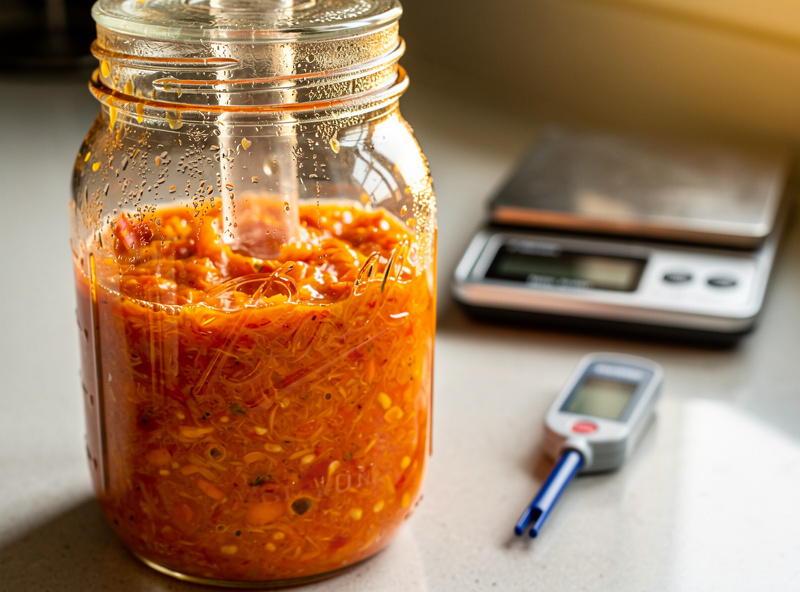
Heat is only half the decision, though. Capsaicin lives mostly in the white pith and the placenta the seeds attach to, not the seeds themselves, so how much pith you keep changes the burn as much as the variety does. For fermentation, what matters just as much is sugar content and skin thickness: thick-walled peppers like jalapeños hold structure through a long ferment, while thin-walled super-hots break down faster and need closer watching. I weigh every batch on a 0.1-gram kitchen scale so the salt percentage stays identical no matter which pepper I am running.
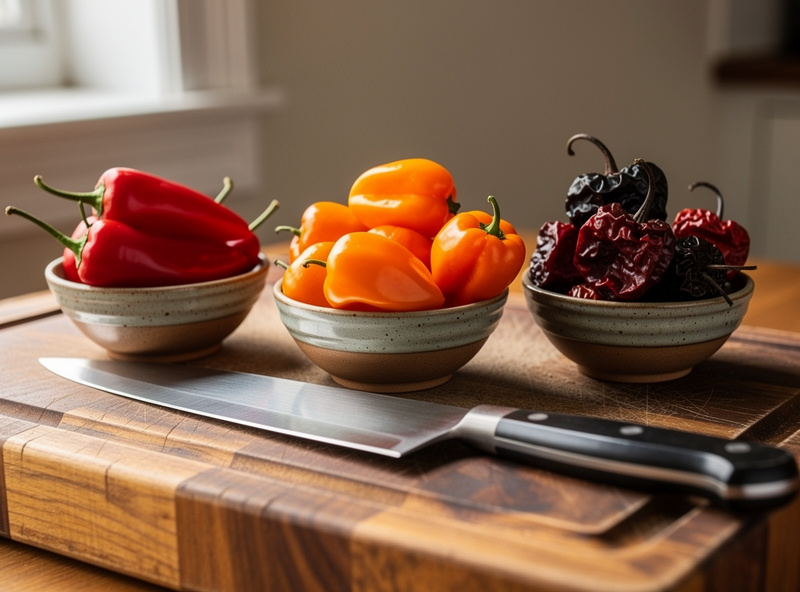
Jalapeño: The Reliable Workhorse
Jalapeño is the pepper I recommend for a first fermented hot sauce and still the one I grow most of. At 2,500–8,000 SHU it gives a sauce real heat without erasing flavour, and its thick walls ferment into a smooth, green-grassy body that takes a 21-day ferment without turning to mush.
Red-ripened jalapeños are sweeter and rounder than the green ones you find in shops — letting them turn red on the plant is the easiest upgrade to a jalapeño sauce. A pure red-jalapeño mash at 3% salt is essentially a homemade version of the classic green-bottle sauce, and it is the batch I make most. Smoke the jalapeños first and you have fermented chipotle sauce, which is one of my favourites for the autumn. Jalapeños are forgiving enough that they are also the pepper I point beginners to in my beginner pepper mash recipe.
Habanero: Heat Plus Tropical Fruit
Habanero is where a hot sauce gets interesting. At 100,000–350,000 SHU it is genuinely hot, but the reason it is in nearly every craft sauce is the aroma — apricot, citrus, and a floral note that survives fermentation beautifully. The lacto ferment actually rounds off the raw habanero’s sharp edge and pushes the fruit forward.
The catch is volume: habaneros are small and the heat is high, so I rarely build a sauce from 100% habanero. My standard is a 30% habanero, 70% jalapeño or sweet-pepper mash, which lands in a comfortable medium-hot range with all of the habanero fruit and none of the punishment. Orange and red habaneros, plus the milder caramel-sweet relatives like the chocolate habanero, all ferment well. Wear nitrile gloves when you chop these — capsaicin on your hands finds your eyes hours later, and I learned that one the hard way.
Ghost Pepper: For Real Heat-Seekers Only
Ghost pepper (bhut jolokia) runs 800,000–1,000,000 SHU and belongs in a hot sauce only when extreme heat is the point. It has a genuine smoky, slightly sweet flavour underneath the burn, but you will taste it for about two seconds before the heat takes over completely. A little goes a very long way.
When I make a ghost sauce I use it as an accent, not the base — typically 10–15% ghost against a jalapeño or fruit mash, which gives a slow-building, sweat-inducing heat that still lets the other peppers speak. A 100% ghost mash is a novelty, not a condiment. The thin walls of super-hots also break down faster in a ferment, so I watch a ghost batch more closely for surface film and pull it at 14–18 days rather than running the full three weeks. The same kahm-versus-mold judgement from my hot sauce mold guide applies, just on a shorter clock.
Pepper Comparison: Heat, Flavour, and Ferment Behaviour
Here is how the three headline peppers compare against the two supporting players I use most — the sweet pepper that adds body and the Thai/cayenne type that adds bright, clean heat. SHU ranges are the commonly cited values; ferment notes are from my own batches at 3% salt and 20 °C.
| Pepper | Heat (SHU) | Flavour Profile | Ferment Behaviour | Best Used As |
|---|---|---|---|---|
| Jalapeño | 2,500–8,000 | Green, grassy, sweet when red | Thick walls, holds structure 21+ days | Base / 100% sauce |
| Habanero | 100,000–350,000 | Apricot, citrus, floral | Ferments clean, fruit intensifies | 30% accent for fruit + heat |
| Ghost (bhut jolokia) | 800,000–1,000,000 | Smoky, faintly sweet under intense heat | Thin walls, breaks down fast, pull early | 10–15% heat accent only |
| Sweet/bell pepper | 0 | Sweet, vegetal, juicy | Adds volume and moisture | Body filler to tame heat |
| Thai / cayenne | 30,000–100,000 | Clean, sharp, bright heat | Thin-walled, quick ferment | Bright mid-heat base |
Blending Peppers for a Better Sauce
A single-pepper sauce is a clean place to start, but the best fermented hot sauces almost always blend. The trick is to think in three roles: a base pepper for volume and body, an accent pepper for heat and aroma, and optionally a sweet pepper to soften and stretch the batch. Get those proportions right and the heat lands as a curve, not a spike.
My three reliable blends are: red jalapeño base with 30% orange habanero for an everyday medium-hot bottle; mango or pineapple folded into a habanero mash for a fruit sauce (the method is in my fruit hot sauce guide); and a jalapeño base with a 10% ghost accent for the friends who keep asking for “something really hot.” In every case the salt stays at 3% of the total pepper weight, weighed on the scale — the pepper ratio changes, the safety math never does. One blending habit worth keeping: taste a tiny smear of each raw pepper before you commit the ratio, because heat varies wildly even within one variety depending on how stressed the plant was, and a single rogue-hot habanero can shift a whole batch hotter than you intended.
Growing vs Buying Your Peppers
You can make excellent fermented hot sauce from supermarket peppers, but growing your own changes the game on cost and freshness. A single habanero plant produces dozens of pods over a season, and red-ripening peppers on the plant — which shops rarely sell — is the upgrade no amount of technique replaces. In my Sweden garden I start chillies indoors under lights in February because the season is short, and the late-summer glut is exactly when I run my biggest mash batches.
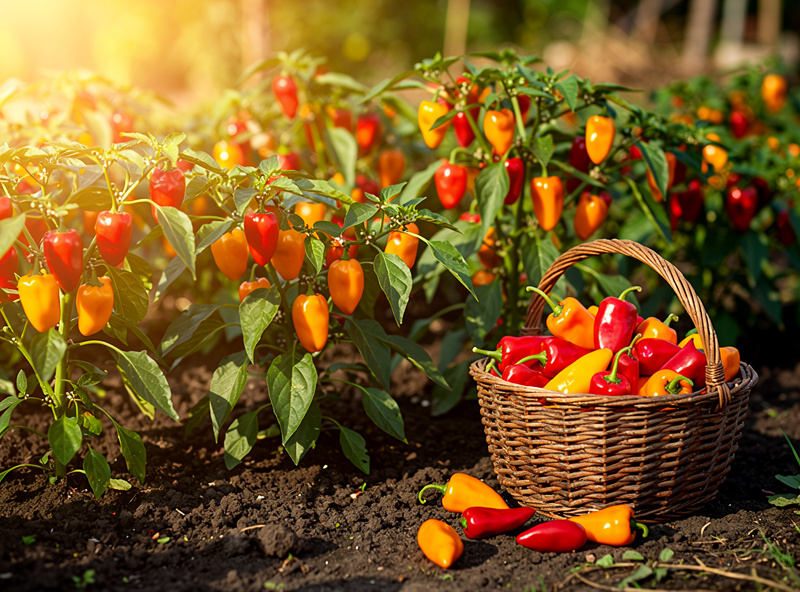
If you grow, choose for fermentation: thick-walled varieties for body, and let everything ripen to full colour for sweetness and depth. A packet of hot pepper seeds costs less than a few fresh habaneros and yields a year of sauce. The garden-to-crock crossover is the same patience that runs the rest of my kitchen — I keep a planting calendar so the peppers, cabbage, and everything else line up, and I cover varietal picks for the cool-climate grower in my garden-to-jar fermenting guide.
Frequently Asked Questions
What is the best all-around pepper for fermented hot sauce?
Red-ripened jalapeno. At 2,500 to 8,000 SHU it gives real heat without erasing flavour, and its thick walls hold structure through a 21-day ferment. It is the most forgiving pepper and makes a smooth, balanced everyday sauce.
Can I mix different peppers in one hot sauce?
Yes, and the best sauces usually do. Use a base pepper for body, an accent pepper like habanero for heat and aroma, and optionally a sweet pepper to soften it. Keep salt at 3% of total pepper weight no matter the blend.
Do I need to remove the seeds and pith from hot peppers?
Capsaicin lives mostly in the white pith, not the seeds. Removing pith lowers the heat; leaving it keeps it. Seeds add little heat but can make a sauce slightly bitter, so many fermenters strain them out after blending.
How much ghost pepper should I use in a hot sauce?
Use ghost pepper as a 10 to 15% accent against a milder base, never as the whole batch. That gives a slow-building, intense heat while letting the other peppers add flavour. A 100% ghost mash is a novelty, not a usable condiment.
Are dried peppers good for fermented hot sauce?
Fresh peppers ferment best because they carry the wild lactobacillus and the moisture a mash needs. Dried peppers can be rehydrated and added for smoky depth, but build the ferment on fresh peppers and treat dried ones as a flavour layer.
Why ripen peppers to red before making sauce?
Peppers left to ripen fully on the plant develop more sugar and a rounder, sweeter flavour than green ones picked early. Red jalapenos and orange habaneros make a noticeably better sauce, which is the main advantage of growing your own.
Related Guides on FermentFoundry
- Fermented Hot Sauce: The Complete Home Brewer Guide
- How to Make Fermented Hot Sauce (Beginner Pepper Mash)
- Fermented Hot Sauce Mold: Scrape vs Toss
- Garden to Jar: Fermenting What You Grow
- Fermentation Equipment: The Complete Toolkit

About Kenny Nyhus Fadil
A home fermenter documenting brines, bubbles, and the occasional moldy tragedy.