Does Chlorinated Tap Water Kill Your Ferment? What Actually Happens

Chlorinated tap water rarely kills a ferment outright, but it reliably stalls one. At the 0.5 to 2 mg/L residual common in municipal supply, chlorine suppresses the Lactobacillus and yeast trying to establish, producing a slow, flat, lifeless batch rather than a dramatic failure. The good news: it off-gasses in a day.
This question comes up constantly, and the honest answer is more nuanced than the usual “chlorine kills your ferment” headline. I have deliberately started batches with straight chlorinated tap and watched what happens, and what happens is almost always a stall, not a death. Understanding the difference tells you how worried to be and how to fix it. Everything here sits under my broader guide to the best water for fermentation, which covers chloramine and hardness as well.
What Chlorine Actually Does to Your Culture
Chlorine is a broad-spectrum disinfectant that damages microbial cell membranes and disrupts enzyme function. It does not target pathogens specifically; it hits every microbe in the water, including the beneficial Lactobacillus and wild yeast your ferment depends on. That is the whole point of putting it in drinking water, and it is exactly the problem for a fermenter.
At the concentrations found in tap water, roughly 0.5 to 2 mg/L of free chlorine, the effect on a robust culture is suppression rather than annihilation. The chlorine knocks back the initial population and slows the early hours when the culture is trying to outcompete spoilage organisms and drop the pH. A sluggish start is where most trouble begins, because a ferment that acidifies slowly gives molds and other unwanted organisms a longer window to take hold before the environment turns acidic and protective.
There is a second, quieter effect that people miss. Chlorine reacts with the organic matter in your ingredients, the sugars, the vegetable compounds, the tea, and gets consumed doing so. That means a heavily loaded batch may neutralize some of the chlorine on its own, which is part of why the damage is so variable from one setup to the next. It also means the chlorine that reacted did not vanish harmlessly; it formed chlorinated byproducts that add nothing good to the flavor. In practice you cannot count on your ingredients to mop up the chlorine reliably, which is why removing it up front beats hoping the batch overwhelms it.
Kill or Just Stall? The Honest Answer
For most ferments, chlorinated tap water stalls rather than kills. A strong, established culture like a mature kombucha SCOBY or a well-fed sourdough starter can push through a mild chlorine dose because it starts with an overwhelming population. A delicate first-time batch or a mineral-dependent culture is where an outright failure becomes possible.
The distinction matters because it tells you how to react. If your kombucha is slow but the pellicle is forming, it did not die; it is fighting the water. If your water kefir grains sat in chlorinated water and simply stopped fizzing and went pale, they may be genuinely damaged, because those grains are small and sensitive and have no reserve population to fall back on. I keep a SCOBY hotel precisely so I always have a robust backup culture, and a strong culture is your best insurance against a marginal water problem.
So the accurate headline is not “chlorine kills your ferment” but “chlorine handicaps your ferment, and the more fragile the culture, the closer that handicap gets to fatal.” Treat it as a real problem worth fixing, not a catastrophe that ruins every batch.
The Symptoms of a Chlorine-Stalled Ferment
A chlorine stall has a recognizable signature: little to no bubbling by day two or three, a brine that stays cloudy-neutral instead of turning tangy, and a pH that refuses to drop on the meter. It looks like nothing is happening, because functionally, very little is.
Compare that to a healthy ferment, which shows bubbles within a day or two, a rising sourness you can smell, and a steady pH decline past 4.6 toward the target for that ferment. When I diagnose a stall, I check pH first, because a flat pH reading after three days tells me the culture never got going, and water is one of the top suspects alongside cold temperature and too much salt. If the ferment smells clean but nothing is moving, suspect the water before you suspect the recipe. A genuinely spoiled batch smells wrong; a stalled one just smells like unfermented ingredients.
One symptom that is not a chlorine problem is a white surface film. That is usually kahm yeast, which is harmless, and my kahm yeast guide explains how to tell it from mold. Do not confuse a surface film with a water issue; they are unrelated.
Which Ferments Are Most at Risk
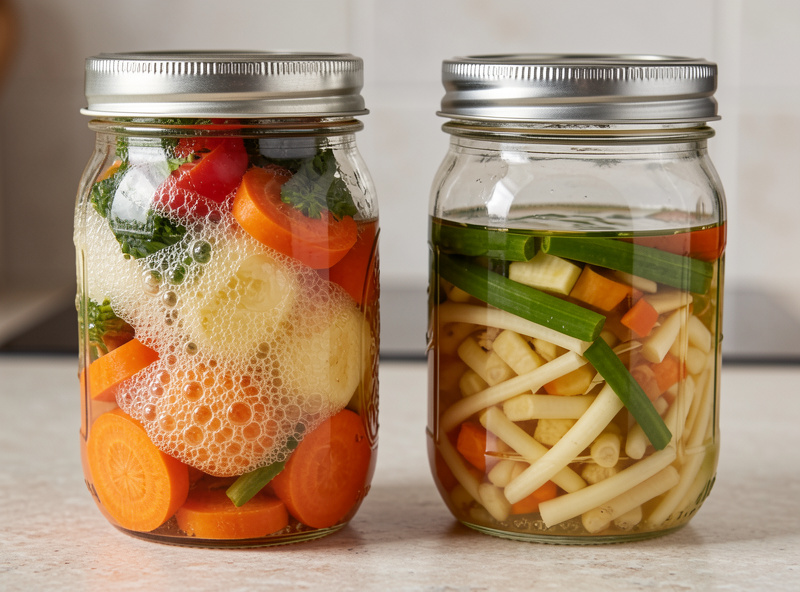
The vulnerability to chlorine tracks how much the water is the growing medium and how robust the culture is. Sugar-water drinks with delicate cultures are most at risk; salt-and-vegetable ferments are the most forgiving because the vegetable brings its own microbes and the salt sets the terms.
Water kefir sits at the top of the risk list: the grains are the whole show, the water is their entire environment, and they carry no reserve population. Kombucha is moderately sensitive but usually survives because the SCOBY is a dense, established culture and the strong tea and sugar dominate. Vinegar is similar to kombucha, since Acetobacter is no fonder of chlorine than the yeast in a SCOBY. At the resilient end are sauerkraut, kimchi, and lacto-fermented vegetables, where the cabbage or cucumber supplies the Lactobacillus and the brine is mostly the vegetable’s own liquid. Sourdough is famously forgiving because flour buffers so heavily, though I still avoid heavily chlorinated water when feeding my starter.
If you only fix your water for one thing, fix it for water kefir and the other sugar-water drinks. That is where chlorinated tap does the most damage.
How Much Chlorine Is Too Much
There is no chlorine level I would call safe for a ferment, but the practical threshold is simple: you want zero free chlorine in the jar by the time the culture goes in. Tap water at 0.5 to 2 mg/L is enough to cause a stall, and even the lower end of that range slows a delicate culture; for context, the EPA permits a chlorine residual up to 4 mg/L in drinking water, well above the level that troubles a culture.
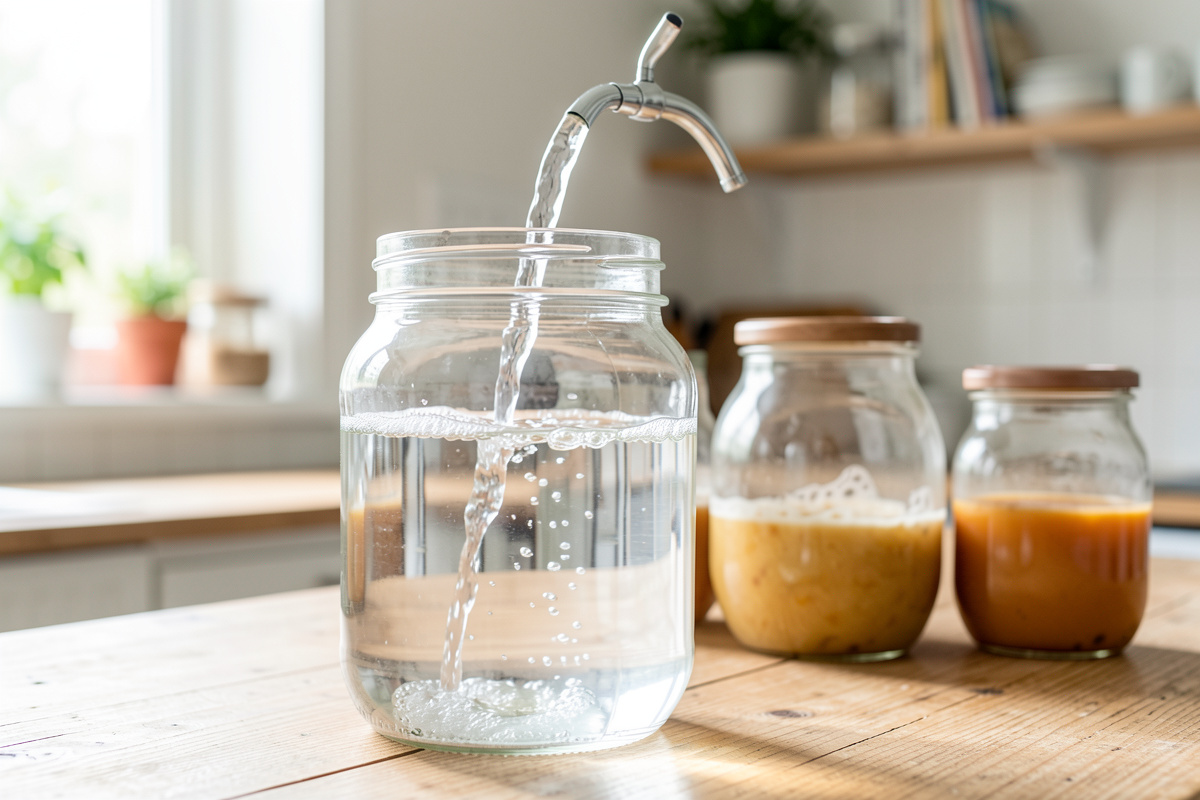
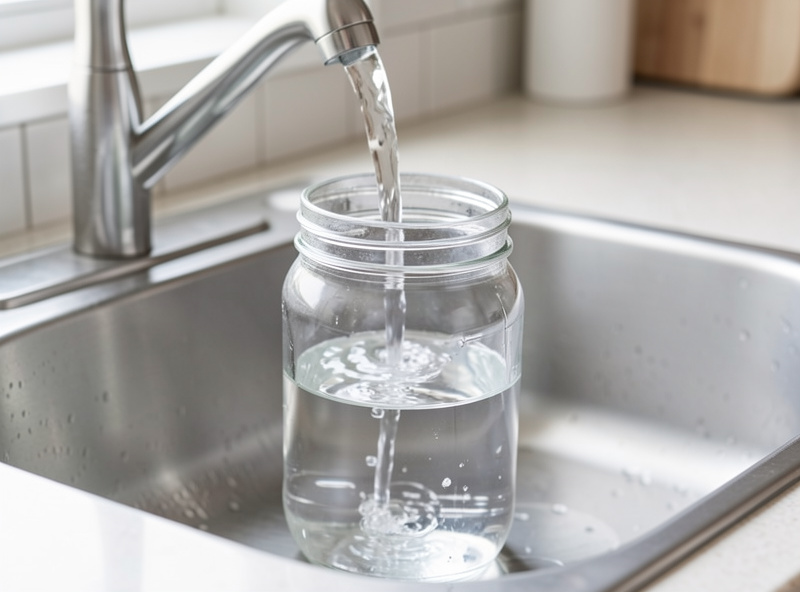
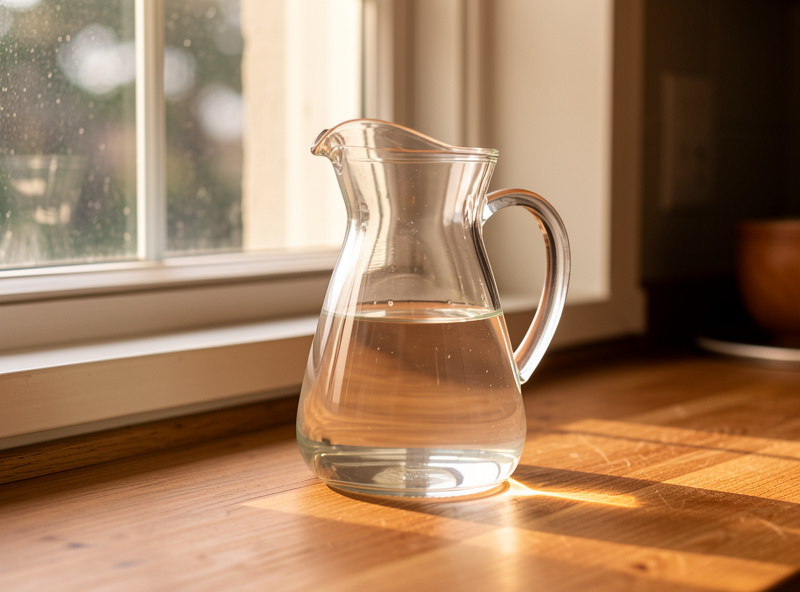
The reassuring part is how easily free chlorine leaves. It is volatile and off-gasses on its own; a container of tap water left uncovered on the counter for 24 hours drops to effectively zero, and running it through an activated-carbon filter removes it in the time it takes to pour. Boiling for 15 to 20 minutes works too. The catch, and it is a big one, is that none of these easy tricks reliably remove chloramine, the more stable disinfectant many utilities now use instead. That is a separate problem with a separate fix, covered in chloramine versus chlorine, and the full slate of removal methods lives in how to dechlorinate water for brewing and fermenting.
The Simple Test That Settles It
If you suspect chlorine is behind a stall, run a side-by-side. Start two identical small batches, one with straight tap water and one with tap water you left out overnight or filtered, and watch which one takes off first. The difference is usually obvious within 48 hours, and it turns a suspicion into a fact you can trust.
This is the measurement mindset that runs through everything on this site: instead of arguing about whether your water is the problem, set up the comparison and let the ferments tell you. A chlorine test strip makes it even faster, reading free chlorine in seconds so you know before you ever start the batch. Once you have confirmed your tap carries enough chlorine to matter, the fix is trivial and permanent, leave water out overnight, keep a carbon-filter pitcher, and the whole question disappears from your fermenting for good.
Frequently Asked Questions
Will chlorinated water ruin my sauerkraut?
Usually not. Sauerkraut is one of the most chlorine-tolerant ferments because the cabbage supplies its own Lactobacillus and the brine is mostly the cabbage’s own liquid. A stall is possible with heavily chlorinated water, but outright failure is rare.
How long does chlorine take to leave tap water?
Free chlorine off-gasses to effectively zero if you leave tap water uncovered on the counter for about 24 hours. A carbon filter removes it instantly. Neither method reliably removes chloramine, which is a different, more stable disinfectant.
Can chlorinated water kill kombucha?
It can weaken a kombucha SCOBY but rarely kills an established one, because the culture is dense and the strong tea and sugar dominate. You will more likely see a slow, flat brew than a dead SCOBY. Use dechlorinated water to avoid the stall.
Why did my water kefir grains stop after using tap water?
Water kefir grains are the most chlorine-sensitive culture because the water is their entire environment and they carry no reserve population. Chlorine can genuinely damage them. Switch to dechlorinated or mineral-rich water and the grains often recover over a few feeds.
Does boiling remove chlorine for fermenting?
Boiling for 15 to 20 minutes removes free chlorine, but it does very little to chloramine. If your utility uses chloramine, boiling leaves the disinfectant behind. Check your water report to know which one you have before relying on boiling.
Related Guides
- Best Water for Fermentation: A Complete Guide
- How to Dechlorinate Water for Brewing and Fermenting
- Chloramine vs Chlorine: Why Boiling Is Not Enough
- Spring, Filtered, or Distilled: Which Water for Water Kefir
- Kahm Yeast: What It Is and When It Is Safe

About Kenny Nyhus Fadil
A home fermenter documenting brines, bubbles, and the occasional moldy tragedy.
Keep Bubbling
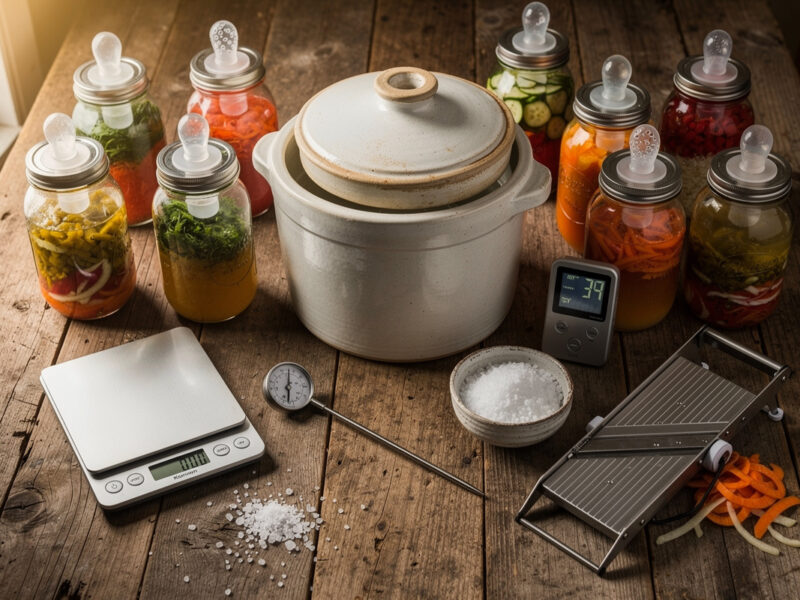
Fermentation Equipment: The Complete Home Brewer Toolkit
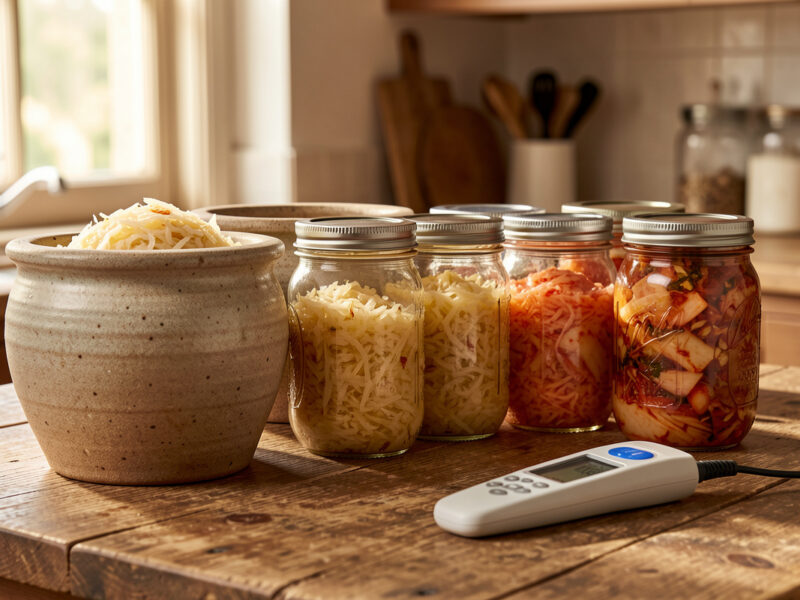
Fermentation Temperature by Season: A Year-Round Control Guide