How to Make a Fruit Shrub: Cold vs Hot Method Compared

To make a fruit shrub, macerate equal weights of fruit and sugar, then add an equal volume of vinegar — that’s the cold method, and it yields a bright ruby concentrate in two to four days. The hot method cooks the fruit and sugar into a syrup first and adds vinegar off the heat, giving you a deeper, jammier shrub the same afternoon. Both make a sweet-tart syrup you cut with soda water to drink. The choice between them decides how fresh or how cooked your finished drink tastes.
I run both constantly, and the honest answer to “which is better” is that they’re different tools for different fruit. Cold keeps the berry patch alive in the glass. Hot rescues firm, tart fruit that never gives up its juice on the counter. Get the method matched to the fruit and you double your yield of good shrub; get it wrong and you either scorch delicate raspberries or wait a week for rhubarb that was never going to macerate. Here’s the whole decision, measured on my scale and my pH meter, with the exact steps for each.
What Is the Cold Method for Making a Shrub?
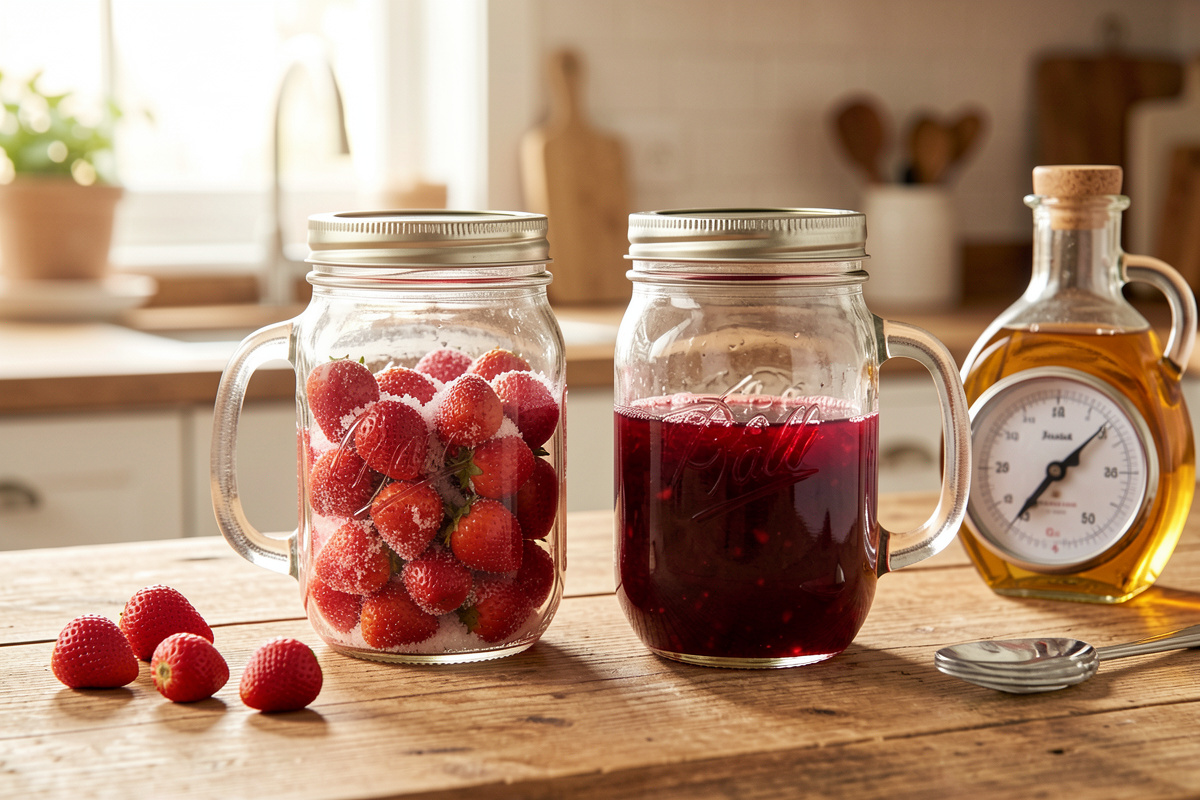
The cold method macerates raw fruit in sugar for two to four days, drawing the juice out by osmosis without any heat, then finishes with vinegar. It’s the technique that preserves the most volatile aroma, so a cold shrub tastes closest to the fresh fruit. I weigh 300 grams of fruit and 300 grams of sugar, combine them in a jar, and let the sugar do the work.
Day one, I mash the fruit and sugar lightly to break skins and start the draw, then cover the jar and leave it on the counter. By day two the sugar has mostly dissolved into a syrup and the fruit has slumped and paled. I stir once a day. On day three or four, when the fruit looks spent and the liquid is deeply colored, I strain through a fine sieve â pressing gently, not wringing, or you cloud the syrup with pulp. Then I add vinegar equal to the volume of syrup I pulled, roughly 1:1, and bottle it. On my meter that finished concentrate reads about 2.9 to 3.1, comfortably in the safe, self-preserving zone — below the pH 4.6 line the FDA’s acidified foods guidance fixes as the pathogen floor, and squarely in the range the National Center for Home Food Preservation treats as reliably acid-preserved.
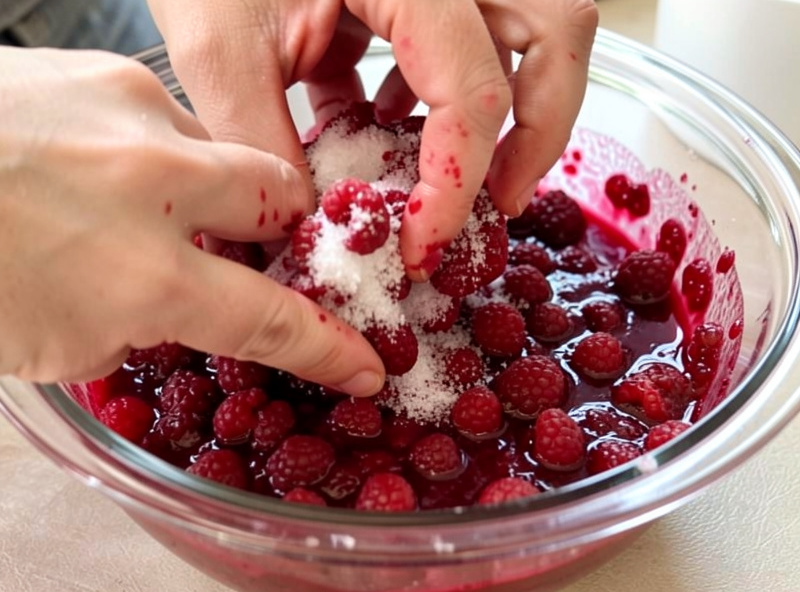
The sensory checkpoint I trust: on day two the jar smells intensely of the raw fruit with a faint winey edge — that’s the sugar concentrating the aromatics, not fermentation. Cold-method shrubs are the fresher, more perfumed of the two, and they keep the longest, four to six months refrigerated. The tradeoff is patience and the fact that only juicy, ripe fruit macerates well.
What Is the Hot Method for Making a Shrub?
The hot method simmers fruit with sugar into a syrup, then adds vinegar after the pan comes off the heat. It’s fast — you can go from raw fruit to bottled shrub in under an hour — and it extracts juice from firm or tart fruit that would never surrender it cold. The heat trades some fresh top notes for a rounder, jammier depth.
My process: combine fruit and sugar with a splash of water in a saucepan, bring to a gentle simmer, and cook five to ten minutes until the fruit breaks down and releases its juice. Then — and this is the step people botch — I pull the pan off the heat and let it cool to below hand-warm before adding the vinegar. Boiling drives off acetic acid, weakening both flavor and preservation. Add vinegar hot and you’ve cooked away the thing that makes it a shrub. Once cooled, I strain and bottle. Hot-method shrubs keep three to four months refrigerated, a bit less than cold, because heat drove off some of the protective aromatics.
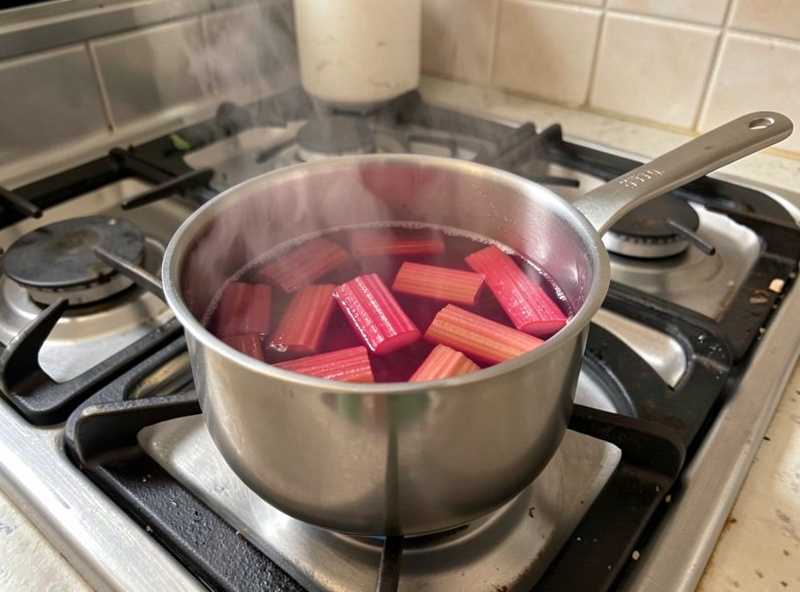
Hot is my default for rhubarb, cranberry, quince, firm plums, and anything underripe. It’s also the move when I want a shrub tonight rather than Thursday. The first time I made a cranberry shrub I tried it cold and got a jar of sugared berries that never gave up their juice; the hot method turned the same fruit into a gorgeous deep-crimson syrup in twenty minutes.
Cold vs Hot: Which Method Should You Use?
Choose cold for ripe, juicy, delicate fruit when you want maximum freshness and don’t mind waiting; choose hot for firm, tart, or underripe fruit and when you need it done fast. That’s the whole rule. Here’s how the two stack up on the dials that matter.
| Factor | Cold method | Hot method |
|---|---|---|
| Time to finished shrub | 2 to 4 days | Under 1 hour |
| Flavor character | Fresh, bright, perfumed | Deep, jammy, cooked |
| Best fruit | Berries, stone fruit, melon | Rhubarb, cranberry, quince, firm plums |
| Yield from firm fruit | Low, fruit resists | High, heat extracts |
| When vinegar goes in | After straining, cold | Off the heat, cooled |
| Fridge life | 4 to 6 months | 3 to 4 months |
Notice the one row that’s identical: vinegar goes in cool either way. That’s non-negotiable. Beyond that, I keep a cold berry shrub and a hot rhubarb shrub going side by side most of the early summer and let the fruit decide. This whole category — the formats, the safety numbers, the serving ratios — sits in the complete guide to shrubs, switchel, and drinking vinegars if you want the wider map.
What Fruit and Vinegar Should You Use?
Use ripe, in-season fruit and a clean 5 percent vinegar. Raw unfiltered apple cider vinegar is the reliable all-purpose base; white wine vinegar suits delicate light-colored fruit, and red wine vinegar deepens dark berries. The vinegar is a flavor lever, not just an acid — once you’re comfortable, match it to the fruit the way you’d match wine to food.
Berries, stone fruit, and melon shine cold. Rhubarb, cranberry, and quince want heat. Firm apples and pears can go either way. Whatever you pick, weigh it — the whole method depends on the fruit-to-sugar-to-vinegar ratio, and eyeballing it is where most first shrubs go wrong. If you keep a live vinegar mother, raw homemade vinegar makes a softer, more complex shrub than anything off a supermarket shelf — the same mother that turns the tail end of a batch of homemade hard cider into drinking-quality vinegar. For flavoring the vinegar itself before it ever meets fruit, my infused vinegar recipes are the natural next step, and the right container matters more than people think — I cover that in the best vessels for brewing vinegar.
How Do You Get the Ratio Right?
Start at 1:1:1 by weight — equal fruit, sugar, and vinegar — and adjust from there. Sweet peak fruit can drop toward three parts sugar for four of fruit; tart fruit like cranberry wants the full sugar or a hair more so the finished drink isn’t punishing. The sugar controls body and how far you can dilute before the shrub goes thin.
I measure everything on a 0.1 gram scale, because the ratio is the recipe. This is the single variable that most changes whether a shrub is balanced or cloying or sour, and it shifts with the fruit and even the vinegar’s strength. Sweet strawberries at peak I’ll take down to 240 grams of sugar for 300 of fruit; a mouth-puckering cranberry I’ll push to 340. If your first shrub tastes off, the fix almost always lives in that ratio, not the method — and the wider map of formats, sweetener swaps, and safe ranges lives in the complete shrub and drinking-vinegar guide.
How Do You Serve and Store a Fruit Shrub?
Serve a shrub at about 1 part concentrate to 4 parts liquid — sparkling water is the classic, and the carbonation lifts the aroma so the acid reads bright instead of sour. Bottle the finished concentrate in swing-top glass, label it with the date, and keep it cold. A shrub concentrate is high-acid and self-preserving, so it holds for months.
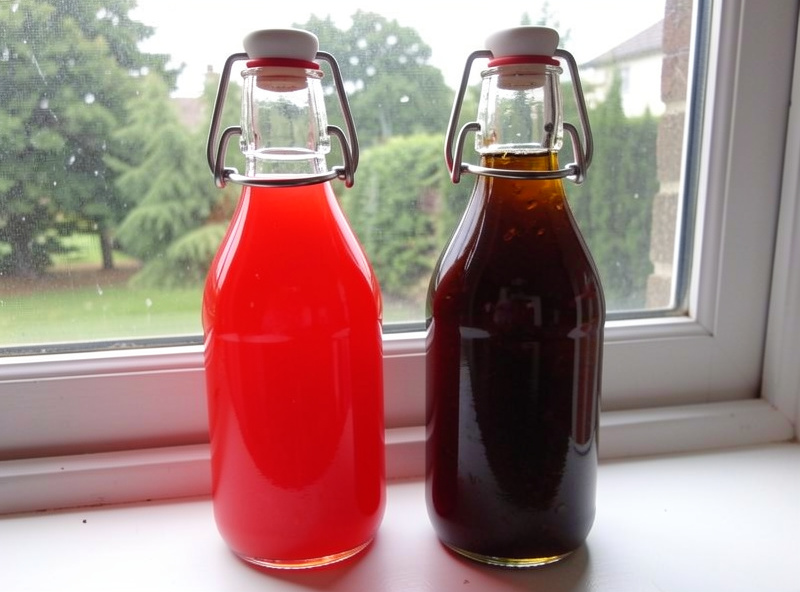
Most shrubs actually improve for a week or two as the vinegar’s raw edge mellows and marries the fruit. The full storage picture — vessels, labeling, and exactly what the spoilage signs mean — is in the shrub hub guide. My standard pour is 30 ml of shrub in 120 ml of cold soda over ice, with a sprig of whatever herb I’d macerated. Try it once at 1:4 and adjust to your own palate from there.
Is the cold or hot method better for making a shrub?
Neither is universally better. Use the cold method for ripe, juicy, delicate fruit like berries and stone fruit when you want the freshest flavor and can wait two to four days. Use the hot method for firm or tart fruit like rhubarb and cranberry that will not release juice cold, or when you need a finished shrub the same day. The fruit usually decides for you.
How long does it take to make a fruit shrub?
A cold-method shrub takes two to four days of maceration on the counter as the sugar draws juice from the fruit. A hot-method shrub can be finished in under an hour, since simmering extracts the juice immediately. Both then benefit from a week or two in the fridge, where the vinegar edge mellows and the flavor rounds out.
Why do you add the vinegar after cooking instead of during?
Acetic acid evaporates with heat. If you boil vinegar into a hot shrub you drive off both flavor and acidity, weakening the drink and its preservation. Always cool the fruit syrup to below hand-warm before stirring in the vinegar, whether you used the cold or hot method.
What is the basic fruit shrub ratio?
Start with equal weights of fruit, sugar, and vinegar, measured on a scale. Sweet peak-season fruit can drop to about three parts sugar for four parts fruit, while tart fruit wants the full sugar or slightly more. Serve the finished concentrate at roughly one part shrub to four parts sparkling water and adjust to taste.
Related Reading
- Shrubs, Switchel and Drinking Vinegars: The Complete Guide
- Sugar Ratios for Shrubs: Balancing Sweet and Sour
- Best Fruit and Herb Pairings for Vinegar-Based Drinks
- How Long Do Shrubs Last and How to Store Them
- Infused Vinegar Recipes and Methods

About Kenny Nyhus Fadil
A home fermenter documenting brines, bubbles, and the occasional moldy tragedy.