Spring, Filtered, or Distilled: Which Water for Water Kefir

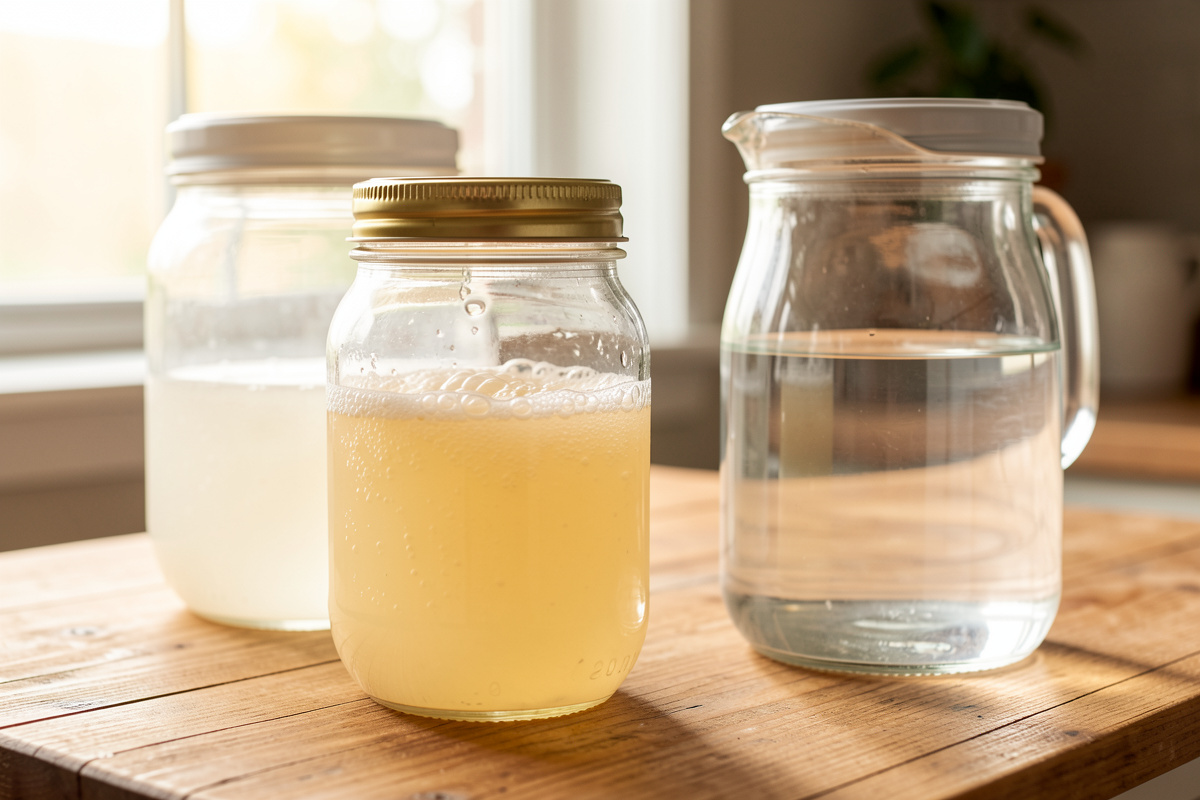
The best water for water kefir grains is mineral-rich water in the 100 to 250 ppm dissolved-solids range: unsoftened spring water, or dechlorinated filtered tap with a pinch of minerals added. Distilled and reverse-osmosis water are too pure and starve the grains unless you remineralize them. The grains need calcium and magnesium as food and structure.
Water kefir is the pickiest culture on my bench when it comes to water, which is exactly why it gets its own article inside the water for fermentation guide. The good news is that once you understand what the grains actually need, choosing water becomes a quick decision, and shrinking, sluggish grains almost always trace back to one of a few water mistakes.
Why Water Kefir Is So Picky
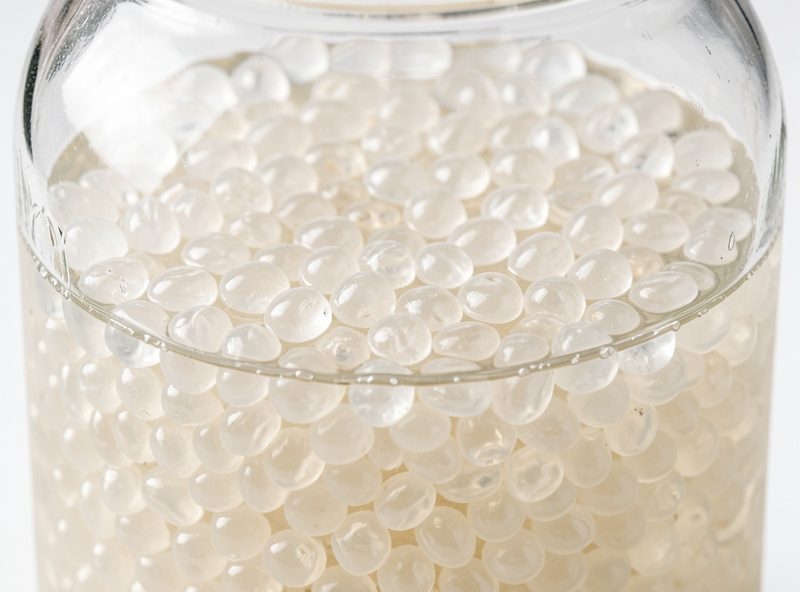
Water kefir grains are living crystalline colonies of bacteria and yeast in a polysaccharide matrix, and that matrix incorporates minerals directly, so calcium and magnesium — the two minerals the USGS uses to define water hardness — are structural, not just nutritional. Unlike a kombucha SCOBY floating in strong tea, water kefir grains live in plain sugar water, which means the water itself is their entire mineral supply.
Strip the minerals out and the grains have nothing to build with; they shrink, turn glassy and translucent, and slow their fermentation. Overload them with chlorine and you damage the delicate culture directly. This double sensitivity, needing minerals present and disinfectant absent, is why water kefir stalls trip up people who ferment other things easily. A kraut crock forgives almost any water because the cabbage brings the culture and the salt sets the terms; water kefir forgives nothing, because the water is the whole environment.
The Water Types Compared for Water Kefir
Every water source lands somewhere on two axes that matter to the grains: how many minerals it carries and whether it contains disinfectant. The ideal sits in the mineral-rich, disinfectant-free corner. Here is how the common options stack up.
| Water type | Minerals | Disinfectant | Good for kefir grains? |
|---|---|---|---|
| Unsoftened spring water | Usually moderate to high | None | Yes, often ideal |
| Filtered tap | Depends on your tap | Removed by filter | Yes, if not too soft |
| Distilled / RO | Near zero | None | Only with minerals added |
| Softened water | Low, high sodium | Varies | No, starves grains |
| Untreated well | Varies, often high | None | Yes, if mineral level is sane |
The pattern is clear: anything mineral-rich and disinfectant-free works, anything stripped of minerals fails until you put them back, and softened water is the worst of both worlds. Match your source to that and the grains reward you.
Spring Water: The Easy Default
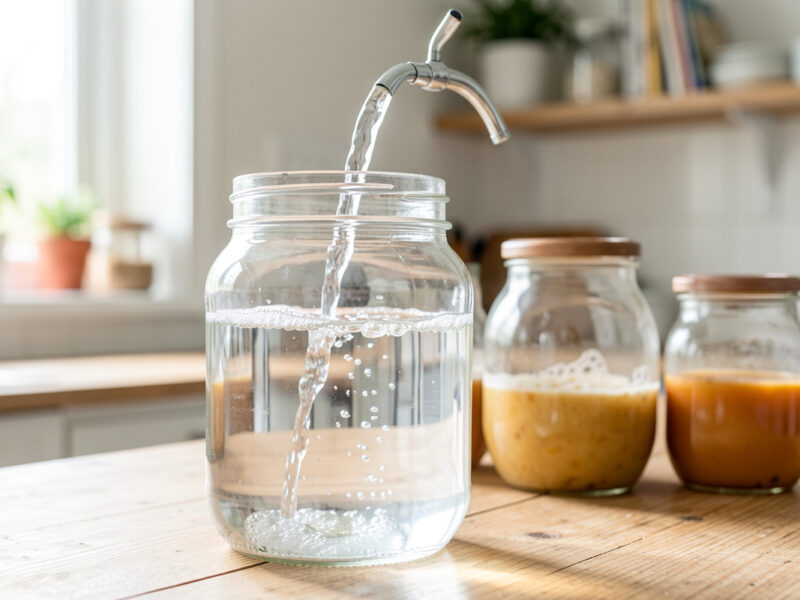
Unsoftened spring water is the least-fuss choice for water kefir because it usually arrives with a natural mineral load in a good range and no chlorine to remove. For anyone who does not want to measure and remineralize, a jug of mineral-bearing spring water is close to plug-and-play, which is why I reach for it when I am not tending the grains closely.
The one caution is that “spring water” varies enormously by source. Read the mineral analysis on the label rather than trusting the word: a spring water listing moderate calcium and magnesium is excellent, while a “spring water” that is really low-mineral purified water gives you the distilled-water problem in disguise. If the label shows real minerals, you are set; if it shows almost none, treat it like distilled and add minerals back. This is the same read-the-label discipline I cover for kombucha and kefir in hard versus soft water.
Filtered Tap: The Practical Everyday Choice
Filtered tap water is what I use most for water kefir, because a carbon filter removes the chlorine and chloramine while leaving the tap’s natural minerals largely intact. If your tap sits in the moderate hardness range, filtered tap is both the cheapest and one of the best options, no bottled water to buy, no minerals to add.
The variable is your tap’s own hardness. If a TDS reading of your filtered water lands in the 100 to 250 ppm range, you are done. If your tap is naturally soft, under about 50 ppm, filtering removes the chlorine but leaves you mineral-poor, so you add a small pinch of minerals to compensate. First remove the disinfectant, using any of the methods in how to dechlorinate water for fermenting, then check whether you also need to remineralize. Getting the disinfectant out matters as much as the minerals, because chlorinated tap can genuinely damage the grains, as covered in does chlorinated water kill your ferment.
Distilled and RO: Only With Minerals Added
Distilled and reverse-osmosis water are the classic water kefir mistake. People read that chlorine harms the grains, buy distilled water to be safe, and then watch the grains shrink and stall, because they removed the disinfectant and the minerals in one stroke. Pure water is safe from chlorine and useless as a growing medium.
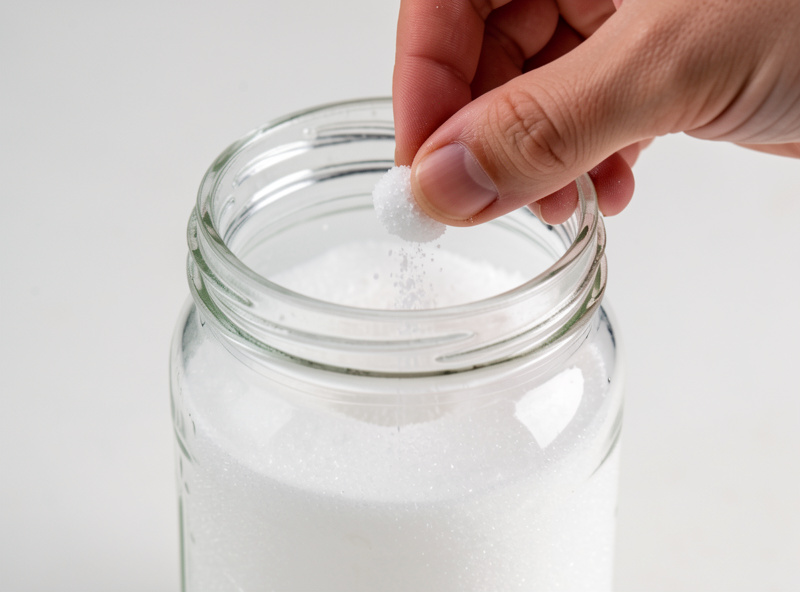
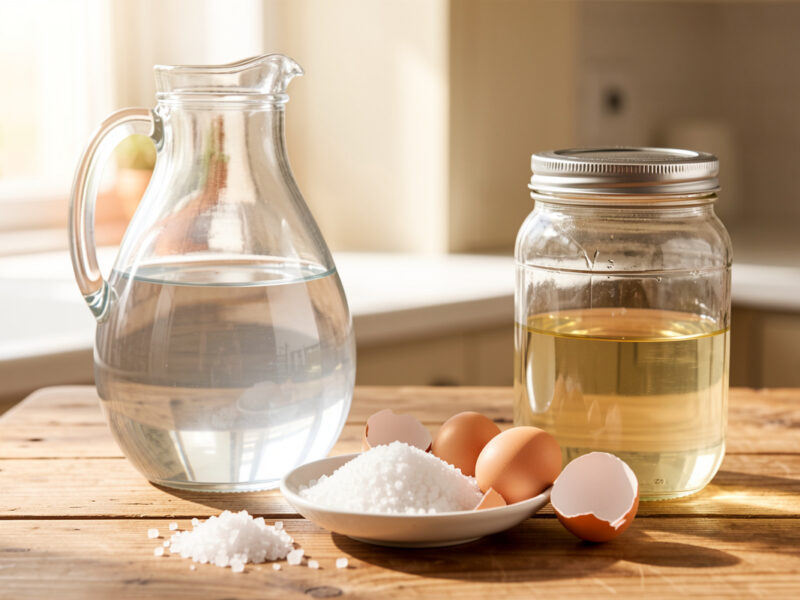
Distilled water is not off-limits, it just cannot be used straight. Add a measured pinch of minerals, unrefined sea salt, a small piece of clean eggshell, a mineral drop, or a purpose-made water kefir mineral blend, and distilled becomes perfectly good kefir water. The exact amounts and options are in remineralizing distilled water when it stalls a ferment. The key mental shift is that with the sensitive drinks, purity is not the goal; the right mineral level is. Distilled plus a pinch of minerals is a fine recipe; distilled alone is a slow-motion failure.
My Rotation for Healthy Grains
In practice I keep water kefir on either mineral-rich spring water or filtered tap with a pinch of minerals, and I let the grains tell me if the balance is off. Healthy grains grow noticeably, throw off lively carbonation, and stay slightly opaque rather than glassy. If they are doing that, the water is right and I leave it alone.
Every few batches I give the grains a fresh, well-mineralized brew to keep them vigorous, the same logic behind keeping any culture fed and strong, like maintaining a first fizzy batch or a sourdough starter on a steady feeding rhythm. Consistency matters more than chasing the perfect water: pick a good source, keep the minerals in range, keep the chlorine out, and the grains settle into a reliable rhythm. Water kefir is picky, but it is picky about a small number of things you can measure and control.
The Overcorrection That Backfires
Once people learn that water kefir needs minerals, a common next mistake is to overdo it, dumping in a large piece of eggshell, a heavy pour of hard mineral water, or a spoon of salt. More is not better here. Too many minerals can push flavors toward metallic or salty and, in the case of added salt, nudge the sugar water toward a salinity the yeast does not enjoy.
The target is a range, not a maximum: enough minerals to feed and structure the grains, not so many that the brew tastes off. A pinch is genuinely a pinch. If you have a TDS meter, landing the finished sugar water somewhere around 100 to 250 ppm above what the plain sugar contributes is plenty. For scale, the EPA sets 500 ppm as its secondary standard for total dissolved solids, so a healthy kefir range sits well under the point where minerals dominate the taste. This is the same lesson that runs through the salt side of fermenting, where more salt is not safer past the correct range, just as I lay out in the salt and brine math guide. Measure, hit the range, stop.
Signs Your Water Is Wrong
The grains are honest reporters. Shrinking, glassy, translucent grains and a batch that barely fizzes point to too few minerals, usually soft, softened, or unremineralized distilled water. A sudden stall right after switching to a new water source points to chlorine or chloramine in that source, or to a jump from mineral-rich to mineral-poor water.
When something changes, change one variable and watch. Swap to a known-good mineral water for a batch or two and see if the grains recover, which they often do over a few feeds once the minerals return. This one-variable-at-a-time habit is how you diagnose water problems without guessing, the same measurement mindset behind reading pH and weighing salt rather than trusting a recipe blindly. Get the water right and water kefir goes from frustrating to one of the most rewarding, fastest ferments you can keep.
Frequently Asked Questions
What is the best water for water kefir grains?
Mineral-rich water in the 100 to 250 ppm range: unsoftened spring water, or dechlorinated filtered tap with a pinch of minerals if your tap is soft. The grains need calcium and magnesium as both food and structure, so mineral content is the key variable.
Can I use distilled water for water kefir?
Only if you add minerals back. Distilled water is free of chlorine but also free of the calcium and magnesium the grains need, so they starve and shrink in it. A pinch of unrefined sea salt, eggshell, or a mineral blend makes distilled water usable.
Why are my water kefir grains shrinking?
Almost always too few minerals, from soft, softened, or unremineralized distilled water. The grains use minerals structurally, so they shrink and turn glassy without them. Switch to mineral-rich water or add minerals, and they usually recover over a few feeds.
Is spring water good for water kefir?
Usually yes, if it is unsoftened and lists real minerals on the label. Many spring waters land in an ideal range and need no treatment. Avoid low-mineral purified water sold as spring water, which acts like distilled and starves the grains.
Do I need to dechlorinate water for water kefir?
Yes. Water kefir grains are among the most chlorine-sensitive cultures because the water is their entire environment. Remove chlorine or chloramine first with a carbon filter, counter-sitting, or a Campden pinch, then make sure the water still has enough minerals.
Related Guides
- Best Water for Fermentation: A Complete Guide
- Hard Water vs Soft Water for Kombucha and Kefir
- Adding Minerals Back: When Distilled Water Stalls a Ferment
- Does Chlorinated Tap Water Kill Your Ferment?
- Water Kefir Guide for Beginners

About Kenny Nyhus Fadil
A home fermenter documenting brines, bubbles, and the occasional moldy tragedy.
Keep Bubbling
Crock vs Jar vs Vacuum Bag: Which Fermentation Vessel Wins
Adding Minerals Back: When Distilled Water Stalls a Ferment