Hard Water vs Soft Water for Kombucha and Kefir

For kombucha and kefir, moderately hard water is usually better than soft. Kefir grains depend on the calcium and magnesium in hard water as food and buffer, and struggle in soft or softened water below about 50 ppm dissolved solids. Kombucha tolerates a wide hardness range because its strong tea and sugar dominate the chemistry.
This is one of the most misunderstood corners of the water question in my water for fermentation guide, because “soft water” sounds gentle and desirable while for these two drinks it is often the wrong choice. The reason comes down to what minerals do inside the culture, and the answer differs sharply between kombucha and kefir.
What Water Hardness Actually Is
Hardness is simply the concentration of dissolved minerals, chiefly calcium and magnesium, in your water, measured in parts per million or grains per gallon. Soft water is low in these minerals; hard water is high. It is not about cleanliness or taste in the way people assume, it is a straightforward measure of mineral content — the USGS classifies water by its calcium and magnesium concentration — and those minerals are food and buffer for a culture.
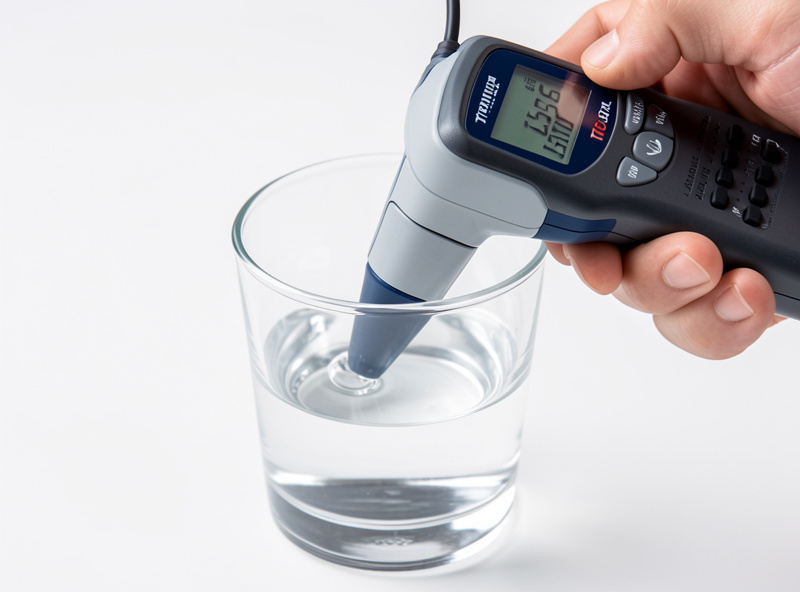
A quick TDS meter reading gives you the number: under about 50 ppm is soft, 50 to 250 ppm is the comfortable middle for fermenting, and over 300 ppm is hard enough to notice (for reference, the EPA caps total dissolved solids at 500 ppm in its secondary standards, purely for taste). This matters because the two drinks in question sit at opposite ends of how much they care. Kombucha shrugs at a wide range; kefir lives or dies by it. Knowing your number turns the whole question from guesswork into a simple lookup, the same measurement habit behind weighing salt on a scale rather than by spoon.
Why Kefir Loves Hard Water and Kombucha Tolerates It
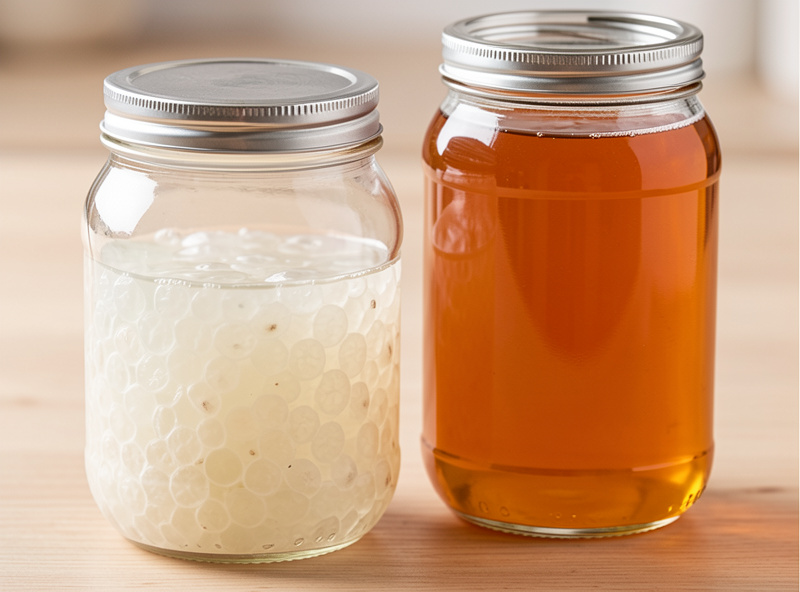
Water kefir grains are living crystalline colonies of bacteria and yeast held together in a matrix that literally incorporates minerals; calcium and magnesium are structural for the grains, not just nutritional. Feed them soft water and the grains shrink, go translucent, and slow their fizz, because they are being starved of the minerals that keep them healthy and growing.
Kombucha is a different animal. The SCOBY floats in strong sweet tea, and the tea itself brings tannins and trace minerals while the sugar provides the fuel, so the water’s own mineral content is a minor player. Kombucha ferments happily across a broad hardness range, which is why most people never notice their water hardness affecting their brew. Milk kefir is a third case again: it ferments milk, which is rich in its own calcium and minerals, so water hardness is irrelevant to milk kefir, the question only applies to water-based cultures. If you keep milk kefir and water kefir side by side, only the water kefir cares about your tap’s hardness.
| Ferment | Prefers | Soft water risk | Hard water risk |
|---|---|---|---|
| Water kefir | Moderately hard, mineral-rich | High, grains starve and shrink | Low, thrives |
| Kombucha | Tolerant of a wide range | Low | Low, very hard can taste flat |
| Milk kefir | Unaffected, ferments milk | None | None |
| Sauerkraut and pickles | Tolerant, salt sets the terms | Low | Low |
The Water Softener Trap
A conventional home water softener does not simply remove hardness, it swaps it. Salt-based softeners use ion exchange to pull calcium and magnesium out and replace them with sodium, so softened water is low in exactly the minerals kefir wants and higher in sodium than you might expect. For water kefir this is close to a worst case: no minerals to feed the grains, plus added sodium.
The added sodium also quietly complicates any brine. When you salt a ferment by weight you are counting on knowing your salinity, and softened water arrives with sodium you did not add and cannot easily measure, nudging the effective salt level. For a kraut crock the effect is small enough to ignore, but for the mineral-sensitive drinks it stacks a second problem on top of the first. If your home has a softener, the fix is easy: most houses keep an unsoftened line, often an outdoor spigot or the one feeding the kitchen cold tap, so run your fermentation water from there, or use bottled water for the kefir.
How Hard Is Too Hard?
Very hard water, over roughly 300 ppm dissolved solids, is rarely a problem for the culture itself but can push flavor toward flat or mineral-heavy, and in kombucha it occasionally mutes the bright acidity you want. The organisms are fine; your palate may not be. This is the one case where a little softening, by blending, genuinely helps.
The fix for water that is too hard is not a softener but dilution: blend your hard tap with some distilled or reverse-osmosis water to bring the mineral content down into the comfortable middle. A rough half-and-half blend of very hard water with distilled often lands in a good range, and a TDS meter lets you dial it in exactly. This is the mirror image of the more common problem, water that is too soft, where you add minerals rather than dilute them, covered in remineralizing distilled water. Both problems have the same goal: land in that 50-to-250 ppm sweet spot where the culture has enough minerals to thrive but not so many that flavor suffers.
Finding Your Sweet Spot
Start with a TDS reading of your normal water, then match it to the drink. If you are brewing kombucha, almost any reading in the drinkable range is fine, so do not overthink it. If you are running water kefir and your water reads soft, under about 50 ppm, that is your stall explained, and the fix is either mineral-rich spring water or a pinch of minerals added back. If your water reads very hard, blend it down for flavor.
The elegance of the measurement approach is that it replaces a folklore argument, hard versus soft, good versus bad, with a single number you can act on. Hard is not bad and soft is not good; the right hardness depends entirely on the ferment, and for the sensitive cultures moderately hard wins. For the deepest dive on choosing water specifically for the fussiest of them, see which water to use for water kefir grains.
Where Spring and Bottled Water Fit
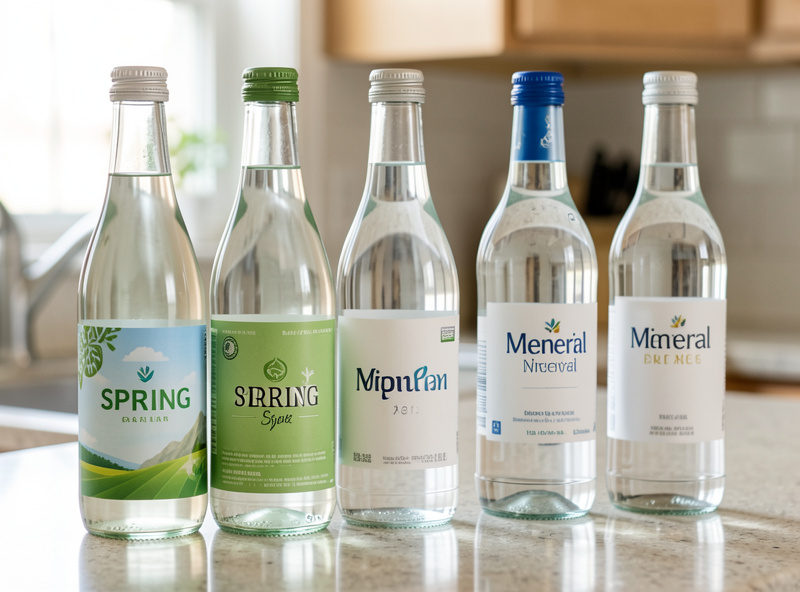
Spring water is the easy shortcut for water kefir specifically, because most spring waters carry a natural mineral load that lands somewhere in the useful range. The catch is that “spring water” is not a single thing: different sources vary from nearly soft to genuinely hard, so the mineral analysis on the label tells you more than the word “spring” ever does.
Read that label. A spring water listing calcium and magnesium in a moderate range is close to ideal for kefir grains and needs no treatment at all, which is why I reach for it when I do not want to remineralize filtered water myself. A “spring water” that is really just filtered municipal water with almost no listed minerals gives you the soft-water problem in a bottle. And plain purified or distilled bottled water is the softest of all, fine for kombucha, a stall waiting to happen for kefir unless you add minerals. The lesson is the same one that runs through this whole topic: do not trust the marketing word, read the mineral number and match it to the ferment.
What I Use for Each Drink
For kombucha I use filtered tap water and never think about hardness, because the tea and sugar run the show and my tap sits comfortably in the middle range. For water kefir I am deliberate: mineral-rich spring water or remineralized filtered water, because those grains reward good mineral content with vigorous fizz and healthy growth and punish soft water with sulking. For milk kefir the water question does not arise, since the milk carries its own minerals.
The through-line across all of it is the same measurement discipline I bring to salt and pH: know your number, match it to the ferment, adjust only when the number is out of range. Get the hardness into the sweet spot and the culture does the rest, whether that is a SCOBY building a pellicle or grains throwing off a lively carbonation. Water is not the mysterious variable people fear; for kombucha and kefir it is just a mineral reading you tune to the drink.
Frequently Asked Questions
Is hard or soft water better for water kefir?
Moderately hard, mineral-rich water is better for water kefir. The grains depend on calcium and magnesium as food and structure, and they shrink and slow in soft water below about 50 ppm dissolved solids. Aim for the 50 to 250 ppm range.
Does water hardness matter for kombucha?
Much less than for water kefir. Kombucha tolerates a wide hardness range because the strong tea and sugar dominate the chemistry. Only very hard water over about 300 ppm may mute the flavor, which you can fix by blending with distilled water.
Can I use softened water for kombucha or kefir?
It is a poor choice, especially for water kefir. Salt-based softeners remove the calcium and magnesium the grains need and add sodium instead. Run fermentation water from an unsoftened line, usually an outdoor spigot, or use bottled water.
Does water hardness affect milk kefir?
No. Milk kefir ferments milk, which is rich in its own calcium and minerals, so the water’s hardness is irrelevant. The hardness question only applies to water-based cultures like water kefir and, to a small degree, kombucha.
How do I measure my water hardness at home?
A cheap TDS meter reads dissolved solids in parts per million in seconds. Under 50 ppm is soft, 50 to 250 ppm is the comfortable middle for fermenting, and over 300 ppm is hard. Test strips for hardness work too.
My water is very hard. Will it hurt my ferments?
Rarely the culture, but very hard water over about 300 ppm can make kombucha taste flat or mineral-heavy. Blend it with distilled or reverse-osmosis water to bring it into the middle range. The organisms are fine; it is mostly a flavor question.
Related Guides
- Best Water for Fermentation: A Complete Guide
- Spring, Filtered, or Distilled: Which Water for Water Kefir
- Adding Minerals Back: When Distilled Water Stalls a Ferment
- Water Kefir Guide for Beginners
- Milk Kefir Making Guide

About Kenny Nyhus Fadil
A home fermenter documenting brines, bubbles, and the occasional moldy tragedy.
Keep Bubbling
Does Chlorinated Tap Water Kill Your Ferment? What Actually Happens
Smart Fermentation Chamber: Temperature and pH Monitoring with Home Automation Sensors