Adding Minerals Back: When Distilled Water Stalls a Ferment

Distilled water stalls mineral-dependent ferments because it contains almost no calcium or magnesium, and cultures like water kefir need those minerals as food and structure. Remineralize it with a pinch of unrefined sea salt, a piece of clean eggshell, a few mineral drops, or a splash of hard water, aiming for roughly 100 to 250 ppm dissolved solids.
This is the counterintuitive corner of my water for fermentation guide: the purest water you can buy is sometimes the wrong water. People do everything right, remove all the chlorine by using distilled water, and then their ferment goes nowhere because they removed the minerals along with the disinfectant. The fix is quick, cheap, and worth understanding, because it turns distilled water from a stall into a perfectly good, chlorine-free base.
Why Distilled Water Stalls a Ferment
Distillation and reverse osmosis strip water down to nearly pure H2O, removing not just chlorine and contaminants but the dissolved calcium and magnesium that living cultures rely on — the same two minerals the USGS identifies as the primary measure of water hardness. For a ferment where the water is the growing medium, that purity means there is nothing for the culture to build with or buffer against, so it weakens instead of thriving.
Water kefir grains are the clearest example, because they incorporate minerals structurally into their crystalline matrix; in distilled water they shrink, turn glassy, and slow their fizz. The problem is not that distilled water is dirty or unsafe, it is that it is too clean, an empty medium. Think of minerals as part of the food, not an impurity. Once you see it that way, remineralizing stops feeling like a workaround and starts feeling like completing the recipe, the same way you would not ferment sugar water without the sugar.
Which Ferments Need Remineralizing, and Which Do Not
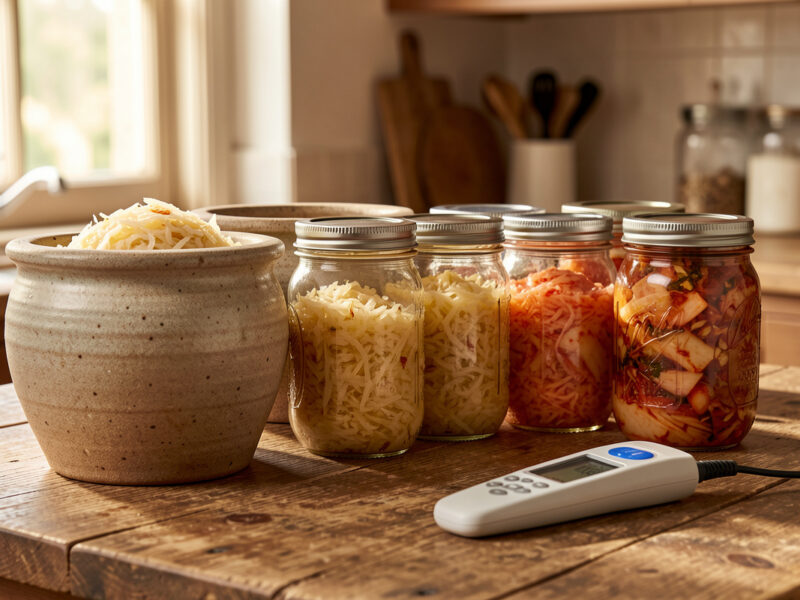
Only ferments where the water is the main mineral source need remineralizing. Water kefir tops the list, followed by ginger beer plant and other sugar-water cultures. Kombucha needs it far less because the tea and sugar dominate, and vegetable ferments like sauerkraut and kimchi never need it because the vegetables and salt supply everything.
This is the key to not over-thinking the issue. If you are fermenting cabbage in a kraut crock or cucumbers in a lacto-vegetable brine, distilled water is completely fine straight from the jug, because the produce brings the minerals and the salt sets the terms. If you are brewing kombucha, distilled works with maybe a slight loss of vigor that most people never notice. It is only the sugar-water drinks, where the water is the entire environment, that genuinely need the minerals added back. Match the effort to the ferment and you spend your attention only where it pays.
How to Add Minerals Back
There are several easy ways to remineralize distilled water, and they differ mainly in convenience and how much they change the flavor. All of them return calcium and magnesium in small amounts; you are seasoning the water, not salting it. Here is how the common options compare.
| Mineral source | How to use it | Notes |
|---|---|---|
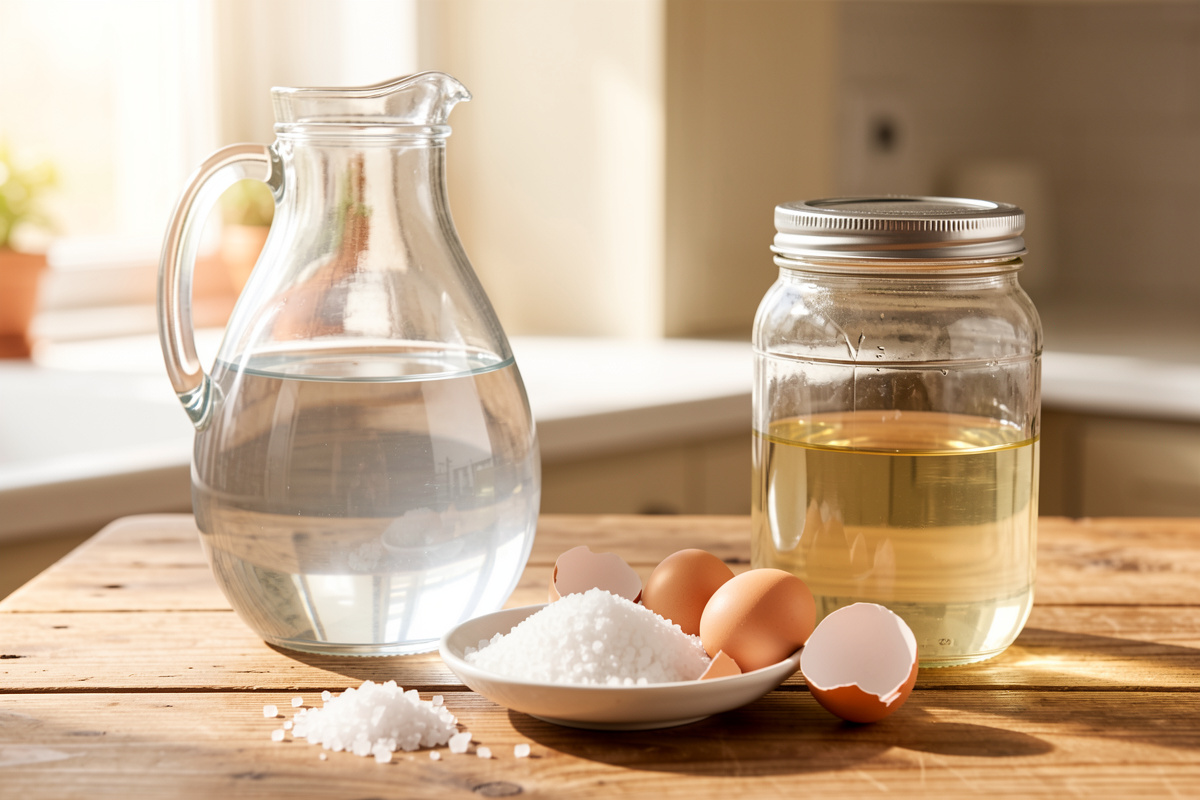
| Unrefined sea salt | A tiny pinch per liter | Cheap, adds trace minerals plus sodium; use sparingly |
| Clean eggshell | A small piece steeped in the batch | Slow-release calcium; rinse and dry the shell first |
| Mineral drops | A few drops per liter | Convenient, consistent, made for the purpose |
| Splash of hard tap | Blend some hard water into the distilled | Free if your tap is hard and dechlorinated |
| Commercial kefir mineral blend | Per the package | Balanced calcium and magnesium, easiest to dial in |
My usual approach is the simplest: a splash of my hard, filtered tap water blended into distilled, or a small pinch of unrefined sea salt when I only have distilled on hand. Both take seconds and both land the water in a good range. The eggshell trick is a nice slow-release option for a longer ferment, and purpose-made mineral drops or blends are worth it if you want repeatable results without measuring.
The Eggshell and Sea-Salt Methods in Detail
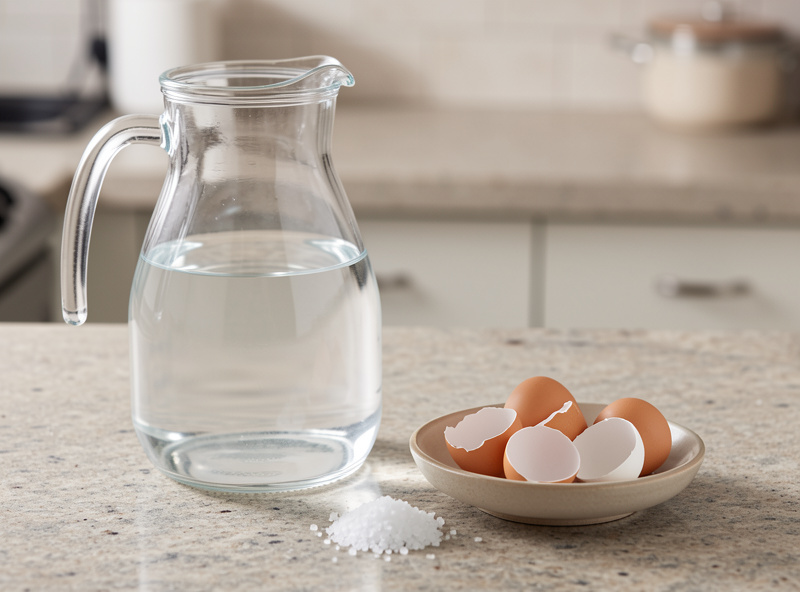
The two kitchen methods, eggshell and unrefined sea salt, deserve a closer look because they are what most people reach for and both are easy to get slightly wrong. Eggshell is mostly calcium carbonate, which dissolves slowly in the mildly acidic environment of a fermenting sugar water, releasing calcium over the course of the batch. Rinse the shell, let it dry, and drop a small piece, a quarter of a shell or so, into the jar; it works as a gentle, self-limiting calcium source that is hard to overdose because the calcium only dissolves as the acidity calls for it.
Unrefined sea salt is faster and brings a broader spread of trace minerals, but it also brings sodium, which is why the pinch has to stay genuinely small. A heavy hand turns your sugar water salty and shifts the effective salinity the yeast experiences. The distinction to hold in mind is that you are seasoning the water with a trace of minerals, not brining it; the amounts here are a fraction of what you would ever use to salt a vegetable ferment. Refined table salt is a poor choice because it is nearly pure sodium chloride with anti-caking additives and none of the calcium and magnesium you are actually after, so reach for an unrefined sea salt or a mineral blend instead.
How Much Is Enough
The goal is a range, not a heavy dose. You want the finished water somewhere around 100 to 250 ppm dissolved solids, enough minerals to feed and structure the culture without pushing flavor toward metallic or salty. For context, the EPA sets 500 ppm as its secondary standard for total dissolved solids, so the fermenting range sits comfortably below the level at which minerals begin to affect taste. A pinch is genuinely a pinch, and a little hard water goes a long way.
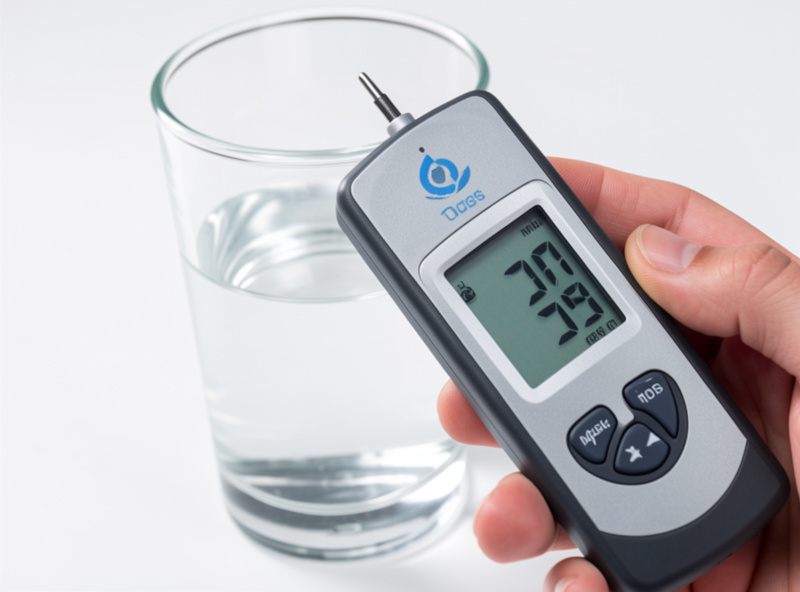
If you have a TDS meter, this is trivial: add minerals, stir, read the number, and stop when you reach the range. Without a meter, err on the light side, because too few minerals just means slightly slower grains you can top up next batch, while too many can throw the flavor off in a way you cannot easily undo. The same discipline applies here as everywhere in fermenting: hit the range and stop, do not chase a maximum. It mirrors the logic in my salt and brine math guide, where more salt past the correct percentage is not safer, just worse-tasting.
A Simple Remineralizing Routine
Here is the routine I would give anyone starting from distilled or reverse-osmosis water for water kefir. Start with a liter of distilled water, add a small pinch of unrefined sea salt or a splash of hard dechlorinated tap, stir until dissolved, and if you have a meter, confirm you are in the 100 to 250 ppm range. That is the whole process, and it takes less than a minute.
From there, dissolve your sugar as usual and add the grains. Watch the first batch: if the grains grow, fizz, and stay slightly opaque, your mineral level is right and you can repeat it exactly next time. If they still seem sluggish, nudge the minerals up a touch on the following batch. This is the one-variable-at-a-time approach that makes water problems solvable rather than mysterious, the same mindset behind reading pH and weighing salt instead of trusting a recipe blind. For the fuller picture of choosing a water source for these grains in the first place, see which water to use for water kefir grains, and for the hardness side of the same coin, hard versus soft water for kombucha and kefir.
When Not to Bother
Do not remineralize water you are using for vegetable ferments, kombucha, or anything where the ingredients already carry minerals, because there you would just be adding sodium or flavor for no benefit. Remineralizing is a targeted fix for a specific problem, mineral-starved cultures in pure water, not a universal upgrade to sprinkle on every batch.
It is also unnecessary if your tap water, once dechlorinated, already sits in a good mineral range, which most moderately hard tap water does. In that case filtered tap is simpler and cheaper than buying distilled and adding minerals back, and you skip the whole exercise. Reach for remineralizing only when you are stuck with pure water and a mineral-hungry culture, and the rest of the time let the ingredients do the work. Water is not the mysterious variable people fear; even its purest form is just a starting point you season to fit the ferment.
One last case where distilled-plus-minerals genuinely shines is repeatability. Tap water changes seasonally, and utilities sometimes flush the system with extra chlorine or the mineral content drifts, which can make a normally reliable ferment behave oddly from one month to the next. If you want a batch that is identical every single time, starting from distilled water and adding a measured, consistent dose of minerals removes the tap as a variable entirely. That level of control is more than most home fermenters need, but for anyone chasing perfectly consistent water kefir, it is the most reliable base there is, a blank canvas you paint the same way each time. For everyone else, dechlorinated filtered tap in a sane mineral range is the pragmatic answer, and distilled-plus-minerals is the tool you keep in reserve for when purity is forced on you or precision is the goal.
Further Reading
If distilled water sent you down this path, these guides cover the rest of the water question, from removing chlorine to choosing a source and reading your own tap.
- Best Water for Fermentation: A Complete Guide
- Spring, Filtered, or Distilled: Which Water for Water Kefir
- Hard Water vs Soft Water for Kombucha and Kefir
- How to Dechlorinate Water for Brewing and Fermenting

About Kenny Nyhus Fadil
A home fermenter documenting brines, bubbles, and the occasional moldy tragedy.
Keep Bubbling
How to Calculate a Salt Brine Percentage by Weight With a Scale
Best pH Meter for Fermentation: What Actually Matters