Milk Kefir Making Guide: Thick, Tangy Kefir in 24 Hours

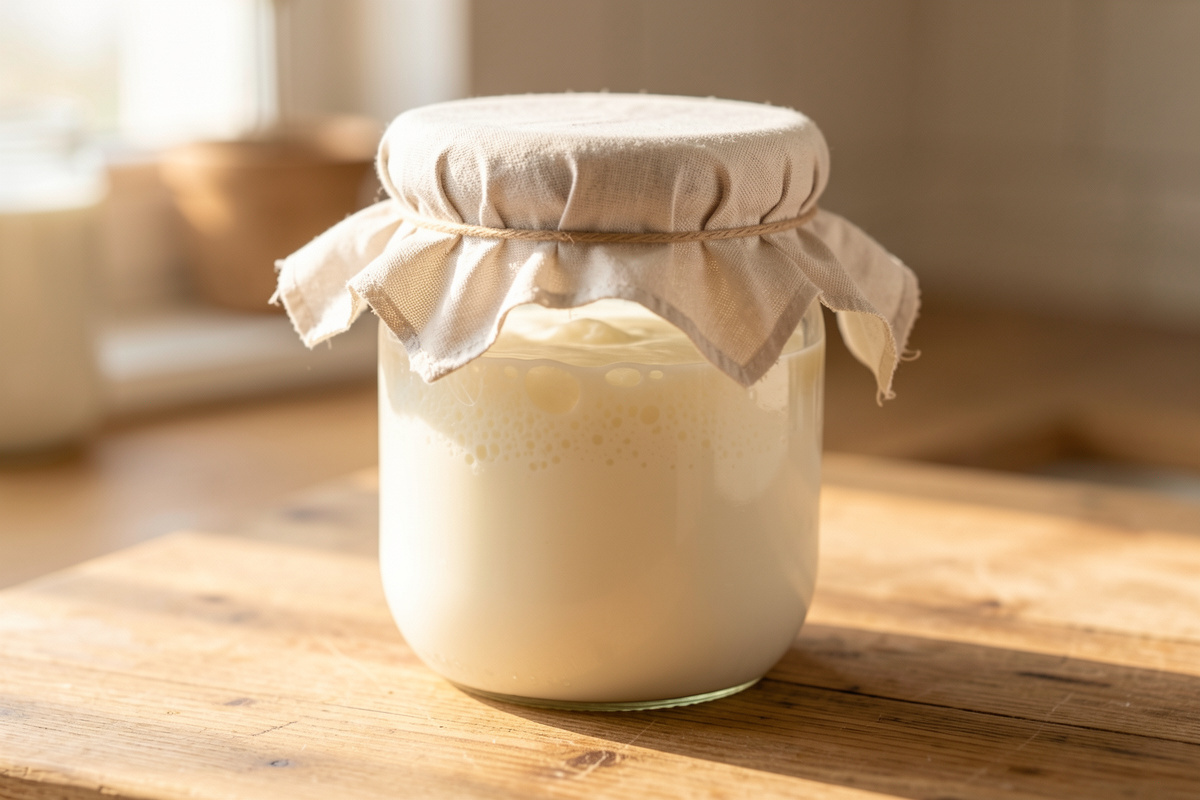
This milk kefir making guide turns whole milk into a thick, tangy, effervescent drink in about 24 hours. Milk kefir grains ferment lactose at room temperature, souring the milk to roughly pH 4.4 and producing a pourable culture richer in microbes than yogurt. It needs no heating, no equipment, and almost no skill — just grains, milk, and a daily strain.
I keep milk kefir grains running next to my water kefir, and the contrast is instructive: the two look similar but eat completely different sugars. Milk kefir grains are lactose feeders, so they only thrive in actual dairy. Once you have a healthy colony, you have a daily glass of cultured milk that tastes like a drinkable, slightly fizzy yogurt with a clean sour edge.
What Milk Kefir Grains Are
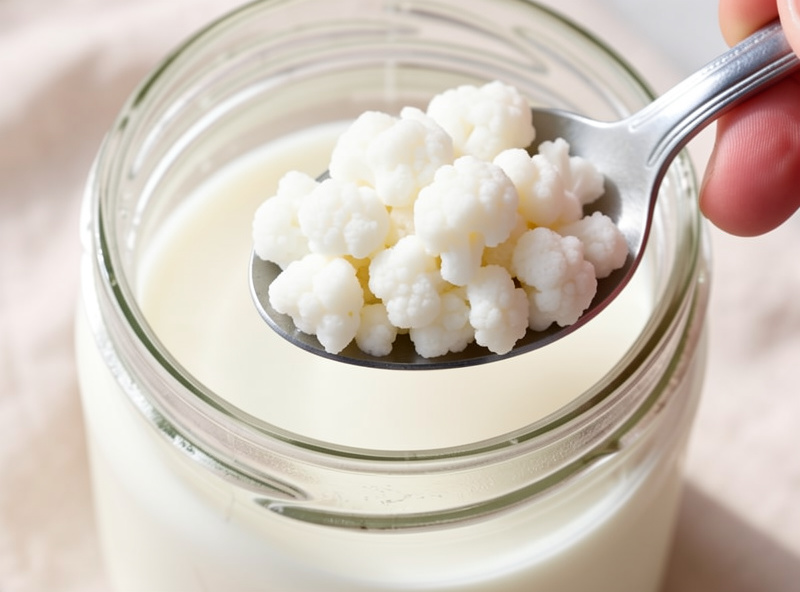
Milk kefir grains are soft, white, cauliflower-like clusters of bacteria and yeast bound in a matrix the culture builds itself. Unlike a yogurt culture, which you re-buy, these grains are permanent — they multiply as they feed, so one tablespoon becomes a jarful over a couple of months. They ferment milk through a mesophilic process, meaning they work at room temperature with no incubator, which is what makes milk kefir simpler than yogurt.
The grains are reusable indefinitely. You strain them from the finished kefir and drop them straight into fresh milk, and the cycle repeats every 12 to 24 hours. Live milk kefir grains ship hydrated or dehydrated; dried grains take a week of daily milk changes to wake fully. As an Amazon Associate I earn from qualifying purchases.
How to Make Milk Kefir Step by Step
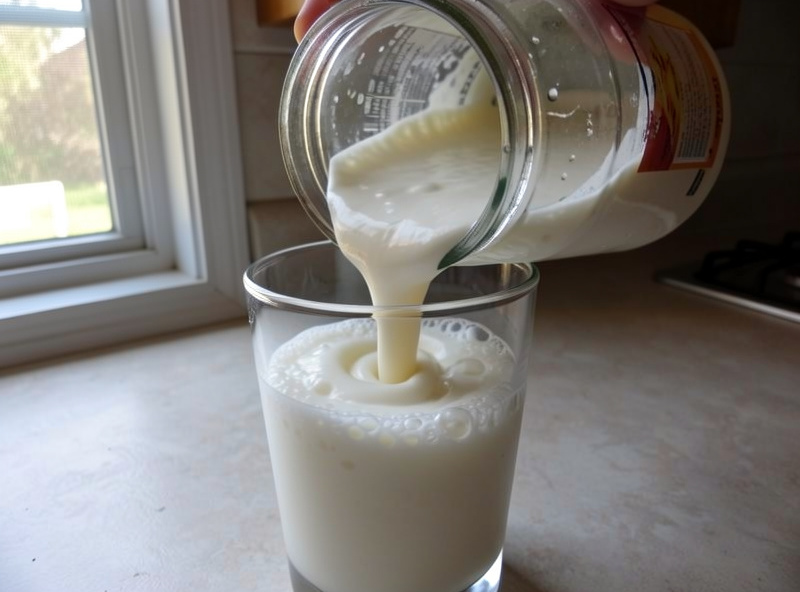
Put about a tablespoon of grains into a jar and add roughly one cup of whole milk per tablespoon of grains. Cover with a cloth or a loose lid — the grains tolerate a little air — and leave it at room temperature, out of direct sun, for 12 to 24 hours. The milk thickens, develops a tangy aroma, and may begin to separate into curds and whey at the edges, which is your signal it is ready or slightly past.
Strain the kefir through a nylon mesh sieve, stirring gently to coax it through; it will be thicker than milk, closer to a pourable yogurt. Drop the grains into fresh milk to start the next batch. The strained kefir is ready to drink, or you can flavor and chill it. Whole milk gives the richest result, but the grains handle low-fat and even goat milk; they simply prefer the lactose and fat of full dairy. The same first-and-second-ferment logic from the broader fermented drinks guide applies if you want to carbonate it.
Controlling Tartness and Texture
The single dial that governs milk kefir is time. A 12-hour ferment in a warm kitchen gives a mild, drinkable, lightly tangy kefir. Push it to 24 hours or longer and it sours sharply, thickens, and separates into curds and whey — not spoiled, just over-fermented and tart. Temperature shifts this dramatically; in a cold room the same batch might take 36 hours, while a warm summer kitchen can finish it in 10. I taste and watch the thickening rather than the clock.
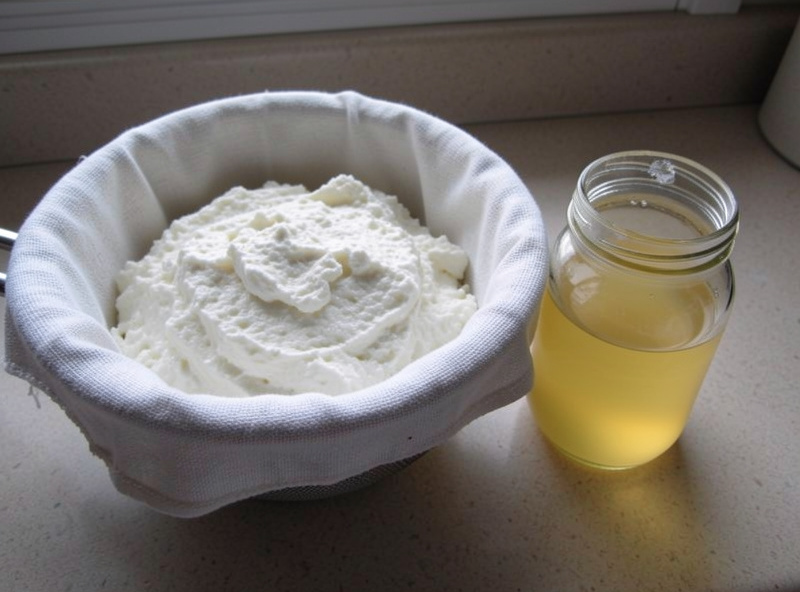
If it separates, you have not ruined anything. Whisk the curds and whey back together for a tangier drink, or strain the curds to make a soft kefir cheese and save the whey — that whey is an excellent starter for lacto drinks like a lacto-fermented lemonade. To slow a kefir that ferments too fast, use less grain per volume of milk or move the jar somewhere cooler.
Flavoring and Using Your Kefir
Plain milk kefir is tart and clean, and it takes flavor like yogurt. I blend it with fruit and a little honey for a drinkable smoothie, or do a brief second ferment: strain the kefir, add a strip of citrus peel or a few berries, cap it loosely, and leave it a few hours at room temperature to develop a mild carbonation and fruitier flavor. Unlike water kefir, milk kefir does not build aggressive fizz, so the second ferment is gentle.
Beyond drinking, milk kefir replaces buttermilk in baking, thickens into a tangy base for dressings, and strains into a spreadable kefir cheese similar to a soft labneh. The surplus grains, which accumulate quickly, can be eaten, blended into smoothies, shared, or dehydrated as backup. I keep a small jar of spare grains in the fridge as insurance, the same way I keep a kombucha hotel.
The grain surplus is real and worth planning for. Within a month or two a tablespoon of grains becomes far more than one household drinks, and overcrowded grains over-sour every batch. I thin the colony regularly: a portion goes to a friend starting out, a portion gets dehydrated as long-term backup, and the rest goes straight into a smoothie, grains and all, since they are perfectly edible. Treating the surplus as a feature rather than a nuisance is how milk kefir stays sustainable — you are effectively running a small culture farm that pays you back in free drinks every single day.
Milk Kefir vs Yogurt: What Actually Differs
People assume milk kefir is just drinkable yogurt, but the two ferment differently and the distinction matters. Yogurt uses a narrow set of thermophilic bacteria and needs heat — you scald the milk and hold it warm for hours. Milk kefir uses a far broader community of bacteria and yeast living in the grains, works at room temperature with no heating, and includes yeast activity that yogurt lacks, which is what gives kefir its faint effervescence and slightly yeasty note.
Practically, that makes kefir the lower-effort drink. There is no thermometer, no incubator, and no fresh starter to buy each time; you strain and refeed permanent grains. Yogurt sets into a spoonable gel, while kefir stays pourable and tangier. I make both depending on the use — yogurt for spooning, kefir for drinking and for baking where I would otherwise reach for buttermilk. If you already keep a kombucha culture, milk kefir slots into the same daily-tending rhythm covered in the kombucha brewing guide.
Is Milk Kefir Safe?
Milk kefir is a low-risk ferment because the bacteria rapidly acidify the milk, dropping it to around pH 4.4 and creating an environment that out-competes spoilage organisms. This is the same acidification that preserves any lacto ferment; a healthy active culture protects itself. On my meter a finished batch reads in the mid 4s, sour enough to taste clearly tart. If you keep grains active and the kefir smells sour rather than putrid, it is doing exactly what it should. For the tool that confirms it, see my notes on the best pH meter for fermentation.
Trust your senses. A clean sour, yeasty smell is correct; a pink, fuzzy, or foul growth means something went wrong — discard and restart with backup grains. This is rare with active grains in fresh milk, but it is why I keep spares. Telling normal souring from genuine spoilage is the same judgment covered in the kahm yeast guide for surface films.
Troubleshooting Milk Kefir
If your kefir will not thicken, the grains are likely cold, too few for the volume of milk, or still waking from dormancy. Warm the room, increase the grain-to-milk ratio, or give a newly arrived culture a week of daily fresh-milk changes. If it ferments far too fast and constantly over-sours, you have too many grains for the milk — thin the colony and share or store the excess. Grains that stop growing are usually overcrowded or underfed; fresh whole milk and breathing room revive them.
To pause milk kefir, cover the grains in fresh milk, cap, and refrigerate for up to a couple of weeks; the cold slows them to near-dormancy. Bring them back to room temperature and run a batch or two before trusting the result, since the first post-fridge batch is always sluggish. Treat the grains as a living animal you feed daily and they will outlast every other culture on your shelf.
Frequently Asked Questions
How long does milk kefir take to ferment?
Usually 12 to 24 hours at room temperature. A warm kitchen can finish it in as little as 10 hours, while a cold room may take 36. Judge by thickening and tang rather than the clock, and strain before it fully separates into curds and whey.
Can I make milk kefir with plant milk?
Not sustainably. Milk kefir grains feed on lactose, which plant milks lack, so the grains weaken and eventually die in them. You can ferment a single batch of plant milk using kefir as a starter, but always keep your actual grains alive in dairy.
Why did my milk kefir separate into curds and whey?
It over-fermented, which means too long, too warm, or too many grains for the milk. It is not spoiled. Whisk it back together for a tangier drink, or strain the curds into a soft kefir cheese and keep the whey as a starter for other ferments.
Is milk kefir safe to drink?
Yes, when made with active grains in fresh milk. The bacteria acidify the milk to around pH 4.4, which out-competes spoilage organisms. A clean sour smell is correct; discard only if you see fuzzy colored growth or smell something genuinely foul.
Keep Brewing
- Fermented Drinks Beyond Kombucha: The Complete Guide
- Water Kefir Guide for Beginners
- Lacto-Fermented Lemonade Guide
- Kombucha Brewing: The Complete Home Guide
- Kvass Fermented Drink Guide

About Kenny Nyhus Fadil
A home fermenter documenting brines, bubbles, and the occasional moldy tragedy.