Koji Fermentation: The Complete Guide to Miso, Tempeh & Shio Koji

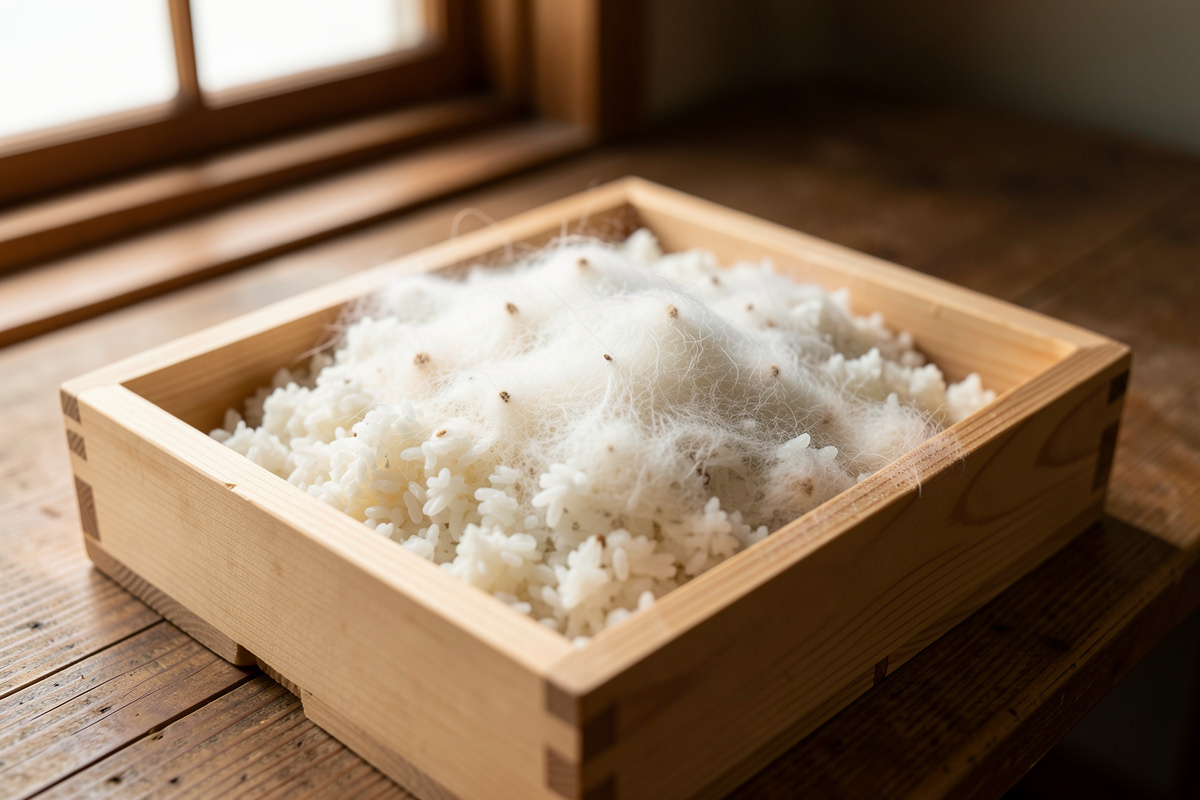
Koji is steamed grain — usually rice or barley — that has been deliberately colonised by the mould Aspergillus oryzae, whose enzymes break starch into sugar and protein into savoury amino acids. I incubate mine around 30°C (86°F) for 36 to 48 hours, and that single tray of fuzzy white grain is the engine behind miso, shio koji, amazake, sake and a dozen other ferments on my bench.
I have a koji rice-and-barley rotation going more or less continuously in my Sweden kitchen, alongside the kraut crock, the kombucha SCOBY hotel and a vinegar mother that has been alive for months. Koji is the one culture that bridges the fermentation room and the curing chamber, because it does its work with enzymes rather than just acid. This guide is the map: what koji actually is, how it becomes miso and shio koji, where tempeh fits (it doesn’t use koji, and that distinction matters), and the pH, salinity and temperature numbers I check on every batch.
What Koji Actually Is (And What It Isn’t)
Koji is a culture, not a recipe. Aspergillus oryzae grows through cooked grain and floods it with two enzyme families: amylases that cut starch into glucose, and proteases that cut protein into glutamate and other amino acids. That is why a finished tray of koji smells sweet and faintly of chestnut — the mould has already started digesting the substrate for you. Every downstream product, from a six-week white miso to a two-year barley miso, is just koji enzymes working on a new set of ingredients under a controlled salt and temperature regime.
The single most common beginner mistake is conflating koji with tempeh. They are both moulds knitting through a substrate, but they are different organisms with different jobs. Koji is Aspergillus oryzae on grain, prized for its enzymes. Tempeh is Rhizopus oligosporus on cooked beans, prized for the dense white mycelium that binds the beans into a sliceable cake. You cannot swap one for the other, and the incubation conditions differ. I cover the bean ferment in the dedicated homemade tempeh guide, and the deeper mycelium crossover lives in my piece on tempeh, koji and mushroom cultivation.
The Two Substrates: Koji Rice vs Koji Barley
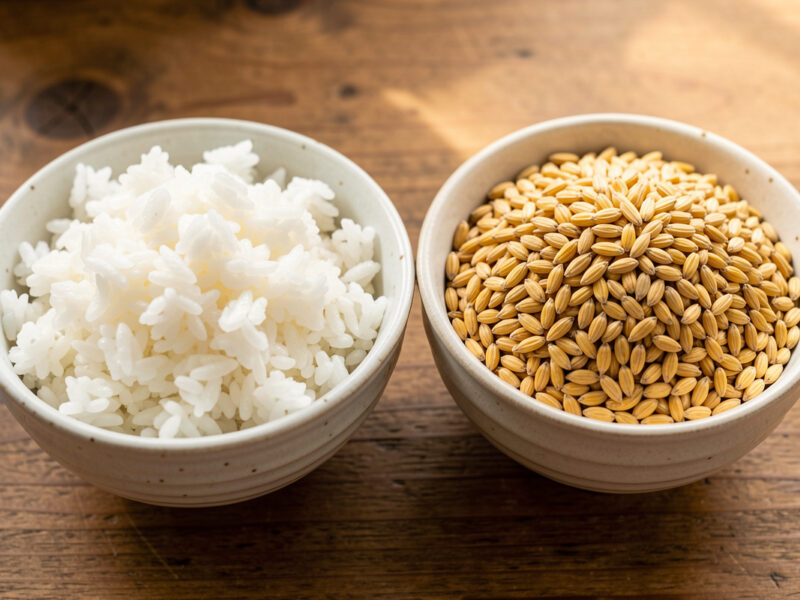
Koji is named for what it grows on. Rice koji (kome-koji) is the sweeter, amylase-forward workhorse behind white miso, amazake, shio koji and sake. Barley koji (mugi-koji) is nuttier and heartier, the traditional base for country-style barley miso that ages for a year or more. In my own rotation I keep both going because they push miso in genuinely different flavour directions — rice toward clean sweetness, barley toward a deeper, bread-crust savouriness.
Which grain you reach for changes the sugar-to-savoury balance of everything downstream, so it is worth understanding before you commit a batch. I break the choice down ferment by ferment in koji rice vs koji barley, including why amazake almost always wants rice and why a hearty winter miso often wants barley.
Growing Your Own Koji at Home
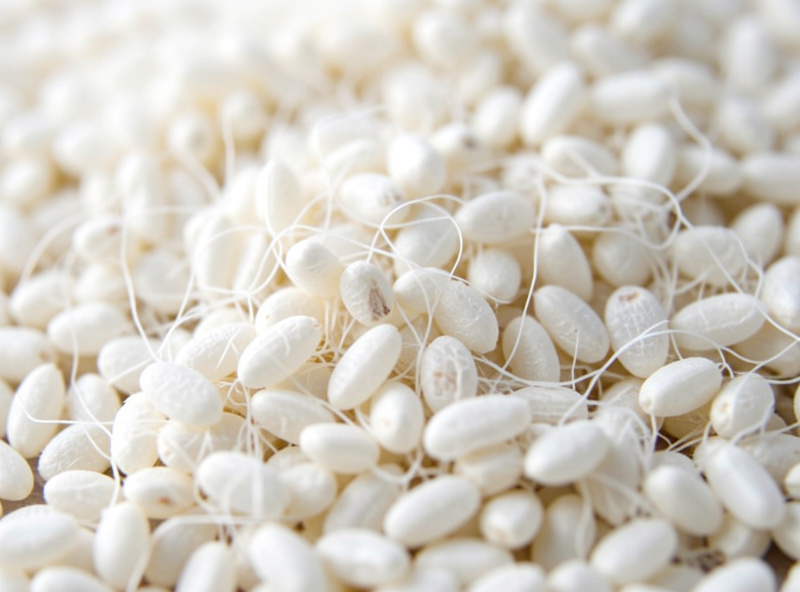
You do not need a commercial koji muro to grow good koji. You need spores, cooked grain, a way to hold roughly 30°C with high humidity, and a way to vent heat once the mould gets going — because koji is exothermic and a thick bed will cook itself past 40°C if you ignore it. I run mine on a seedling-mat-style heat source with a probe thermometer in the grain bed, mixing and spreading the koji twice during the cycle to dump heat and keep the colony even.
The full method — steaming versus boiling the rice, inoculation rate, the wrap-and-vent humidity trick, and reading the white-to-yellow-green colour progression — is in how to grow koji at home. The short version: keep the bed temperature in the 27 to 35°C band, never let the core push past 40°C, and pull the koji while it is still white-to-cream, before it sporulates green if you want the cleanest enzyme activity.
What Koji Becomes: The Family Tree
Once you have a tray of koji, it is a fork in the road. Add salt and a protein source and time, and you get miso. Add salt and water, and you get shio koji — a liquid seasoning that tenderises and deepens almost anything. Hold koji and cooked rice warm at around 55 to 60°C for several hours and the amylases convert it into amazake, a thick non-alcoholic sweet rice drink. Add yeast and you are on the road to sake. The culture is the same; the conditions and additions decide the destination.
This is the part that makes koji so rewarding to keep on hand. One substrate, a calibrated scale and a thermometer, and you can branch into a whole cabinet of seasonings. The two I lean on most are miso and shio koji, and both get their own deep dive below.
Making Miso From Koji
Miso is koji plus cooked beans (usually soybeans) plus salt, blended and packed airtight to age. The salt is the safety control and it is always weighed, never guessed — I work in baker’s-percentage logic the same way I do for the sourdough starter I keep. Sweet white miso runs around 5 to 6 percent salt and ferments for a few weeks; a long red or barley miso runs 11 to 13 percent salt and ages for many months to a couple of years. The higher the koji ratio, the sweeter and faster the miso; the higher the salt, the slower and more savoury.
The salt percentage is not a flavour preference you can cheat — under-salting a long-aged miso is exactly the kind of low-acid, anaerobic mistake that invites trouble. I walk the whole process, with the salt math for each style, in how to make miso at home from scratch. When a batch is mid-age and you spot surface film or you are wondering whether it is ready, the companion piece is miso aging and troubleshooting.
Shio Koji and Amazake: The Fast Wins
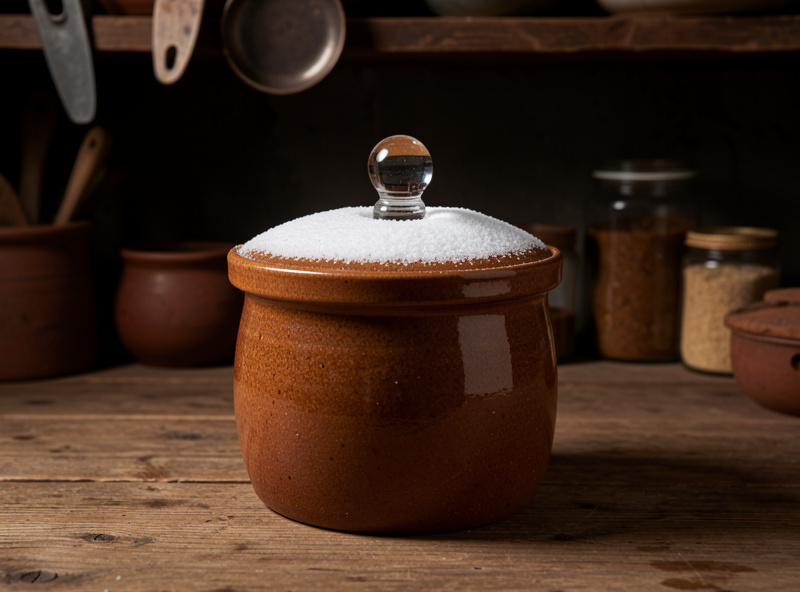
If miso is the long game, shio koji is the instant gratification. It is koji, salt and water left to break itself down for a week or so at room temperature, stirred daily, until it becomes a loose, sweet-savoury paste full of free amino acids. A spoonful turns a chicken thigh tender and brings out umami you did not know was hiding in a vegetable. It is the single most useful thing you can make from a spare tray of koji, and it keeps for months refrigerated because of its salt load.
I treat shio koji as my everyday koji seasoning and amazake as the dessert side of the same culture. The full method, the salt ratio that keeps it shelf-stable, and the ways I actually use it are in the shio koji seasoning guide. Both shio koji and amazake are forgiving entry points — no airlock, no long wait, just koji enzymes doing visible work in days.
Tempeh: The Bean Ferment That Isn’t Koji
Tempeh earns a place in any koji discussion precisely because people assume it belongs to the same family. It doesn’t. Tempeh is Rhizopus oligosporus growing across cooked, dehulled, acidified soybeans, incubated around 30 to 31°C for 24 to 48 hours until the mycelium knits the beans into a firm white cake. The acidification step — dropping the bean pH toward 4.5 with a splash of vinegar — is a genuine food-safety control, not a flavour tweak, because it suppresses unwanted bacteria while the mould establishes.
So tempeh sits next to koji on my bench as a cousin, not a sibling: a different mould, a different substrate, a different reason to grow it. If you came here to make tempeh specifically, jump straight to the homemade tempeh guide, which covers the vinegar acidification, the incubation airflow, and how to tell harmless edge sporulation from real contamination.
The Measurement Bench: Why Numbers Beat Folklore
Most koji and miso content online is folklore — vibes, ancestral mystique, and “you’ll just know.” The way I run it is the opposite: koji is a controlled process with two or three dials, and the dials have numbers. Temperature decides whether the mould thrives or stalls. Salt percentage, weighed on a 0.1 g scale, decides whether a miso is safe and how fast it ages. And pH, read on a calibrated pH meter, tells you when a ferment has dropped into the safe acidic zone.
That measurement habit is the whole reason this site exists. The same scale that weighs my miso salt weighs my sauerkraut brine; the same thermometer that watches a koji bed watches a long miso hold. If you are building out the bench, the fermentation equipment guide covers scales, thermometers and the temperature-control gear, and the smart fermentation chamber build shows how I automate the temperature holds that koji and miso both depend on.
Choosing Your First Koji Project
If you have never touched Aspergillus oryzae before, the order you tackle these in matters, because each one teaches a skill the next one needs. I steer beginners toward shio koji first, then amazake, then a quick sweet white miso, and only then a long-aged barley miso or your own koji grown from spores. Each step adds one variable — salt, then temperature holding, then time, then growing the culture itself — instead of throwing all four at you at once.
Shio koji teaches you what koji enzymes actually do, because you can taste a raw vegetable transform over a single week. Amazake teaches temperature discipline, since the whole game is holding 55 to 60°C long enough for the amylases to saccharify without souring. A short white miso teaches salt-by-weight packing and surface protection on a forgiving two-to-six week timeline. By the time you commit to a year-long miso or a from-scratch koji grow, none of the individual skills are new — you are just stacking them. That staged approach is also why I keep both a rice and a barley koji on hand: the early projects almost all want rice koji’s sweetness, and you grow into barley as your palate shifts toward deeper, longer ferments.
The one project I tell people to not start with is growing koji from spores. It is the most rewarding step and the cheapest per batch long term, but it demands the tightest temperature and humidity control of anything here, and a failed grow is discouraging when you are new. Buy ready-made dried koji for your first miso and shio koji, get a feel for what good koji smells and behaves like, then graduate to the grow-your-own method once you know your target.
How I Keep a Koji Rotation Going
On my bench, koji is not a one-off project — it is a rotation, the same way the kombucha SCOBY hotel and the vinegar mother are always-on cultures. When I grow a batch of koji I rarely use all of it fresh: some goes straight into a miso pack, some becomes shio koji that lives in the fridge for months, and a portion gets dried so I can inoculate the next round or start an amazake on a whim. Dried koji keeps for a long time, which is what makes a rotation practical in a home kitchen rather than a production line.
This is the polymath crossover that no single-niche fermentation blog can replicate honestly: the same patience that watches a starter rise watches a salami lose weight watches a koji bed warm up. The sauerkraut crock and the salami curing chamber are running the same chemistry — Lactobacillus dropping pH — at different scales, and koji sits one step over, doing its work with enzymes instead of acid before the salt and time take over. If you brew vinegar, the mother of vinegar is another always-on culture worth keeping beside your koji, because the two share a shelf, a temperature range and a mindset. Once you think in terms of living cultures you maintain rather than recipes you execute, koji stops being intimidating and becomes just another resident on the bench. Keeping the equipment clean between batches is most of what stands between a good rotation and a contaminated one.
Koji Ferments Compared
Here is the whole koji family on one page — substrate, the culture actually responsible, the temperature it wants, the rough salt load, and how long it takes. Tempeh is in the table specifically to show how it differs: same idea, different organism.
| Ferment | Substrate | Culture | Target temp | Salt | Typical time |
|---|---|---|---|---|---|
| Koji (kome / mugi) | Rice or barley | A. oryzae | 27–35°C | None | 36–48 hours |
| Sweet white miso | Koji + soybeans | A. oryzae enzymes | Room temp | 5–6% | 2–6 weeks |
| Red / barley miso | Koji + soybeans | A. oryzae enzymes | Room / cellar | 11–13% | 6 months–2 years |
| Shio koji | Koji + salt + water | A. oryzae enzymes | Room temp | ~13% of koji | 7–10 days |
| Amazake | Koji + cooked rice | A. oryzae enzymes | 55–60°C | None | 6–12 hours |
| Tempeh | Cooked soybeans | R. oligosporus | 30–31°C | None (vinegar) | 24–48 hours |
Food Safety: Normal vs Toss It
Koji and its descendants are low-risk ferments when you respect the numbers, but you do need to read the surface correctly. On a koji tray, white-to-cream fuzz is the colony; a dusting of yellow-green as it matures is A. oryzae sporulating, which is normal but past peak enzyme freshness. What you do not want is black, blue or pink fuzzy patches, or a sour ammonia reek — those are contamination, and that tray goes in the bin. On miso, a white salt-tolerant film (kahm-style yeast) on the surface is harmless and scraped away; fuzzy coloured mould on top is removed generously, but a properly salted miso almost never lets it reach the body.
The reason a long miso is safe sitting at room temperature for two years is the same reason a salami is: salt plus a dropping pH. The sauerkraut crock and the curing chamber are running the same chemistry at different scales, and miso is the high-salt cousin. Get the salt percentage right, weighed not eyeballed, keep the surface protected, and koji ferments are some of the most forgiving things you can keep. Never short the salt on a long-aged miso to make it taste milder — that is the one shortcut that turns a safe ferment into a real risk.
As an Amazon Associate I earn from qualifying purchases. The one thing you genuinely cannot improvise is the culture — start with real koji spores (Aspergillus oryzae tane-koji), and if you want repeatable koji a basic heat mat with a thermostat makes holding 30°C far easier than chasing a warm spot in the house.
Frequently Asked Questions
Is koji the same mould as tempeh?
No. Koji is Aspergillus oryzae grown on rice or barley for its enzymes, while tempeh is Rhizopus oligosporus grown on cooked soybeans to bind them into a cake. Different organisms, different conditions, not interchangeable.
Do I have to make koji from scratch to make miso?
No. You can buy ready-made dried koji rice and skip straight to miso, shio koji or amazake. Growing your own koji from spores is cheaper per batch and lets you choose rice or barley, but it is optional.
What temperature does koji need to grow?
Aim for a grain-bed temperature of 27 to 35 degrees Celsius, ideally around 30. Koji generates its own heat as it grows, so never let the core push past 40 degrees or you risk killing the mould and inviting bacteria.
How much salt does homemade miso need?
Sweet white miso runs about 5 to 6 percent salt by weight and ferments for a few weeks. Long red or barley miso runs 11 to 13 percent and ages for months to years. The salt is a safety control, so always weigh it.
Is the green colour on my koji dangerous?
A yellow-green dusting is Aspergillus oryzae sporulating, which is normal but past peak enzyme freshness. Black, blue or pink fuzzy patches, or an ammonia smell, mean contamination and the batch should be discarded.
What is the easiest thing to make from koji first?
Shio koji. It is just koji, salt and water left at room temperature for about a week with a daily stir. No airlock, no long wait, and it keeps for months refrigerated thanks to its salt load.
Related Guides
This hub feeds a full set of koji spokes — start wherever your bench is today:
- How to Grow Koji at Home
- How to Make Miso at Home From Scratch
- How to Make Tempeh at Home
- Koji Rice vs Koji Barley
- Shio Koji Seasoning Guide
- Miso Aging and Troubleshooting

About Kenny Nyhus Fadil
A home fermenter documenting brines, bubbles, and the occasional moldy tragedy.