Idli and Dosa Fermentation: A Complete Guide

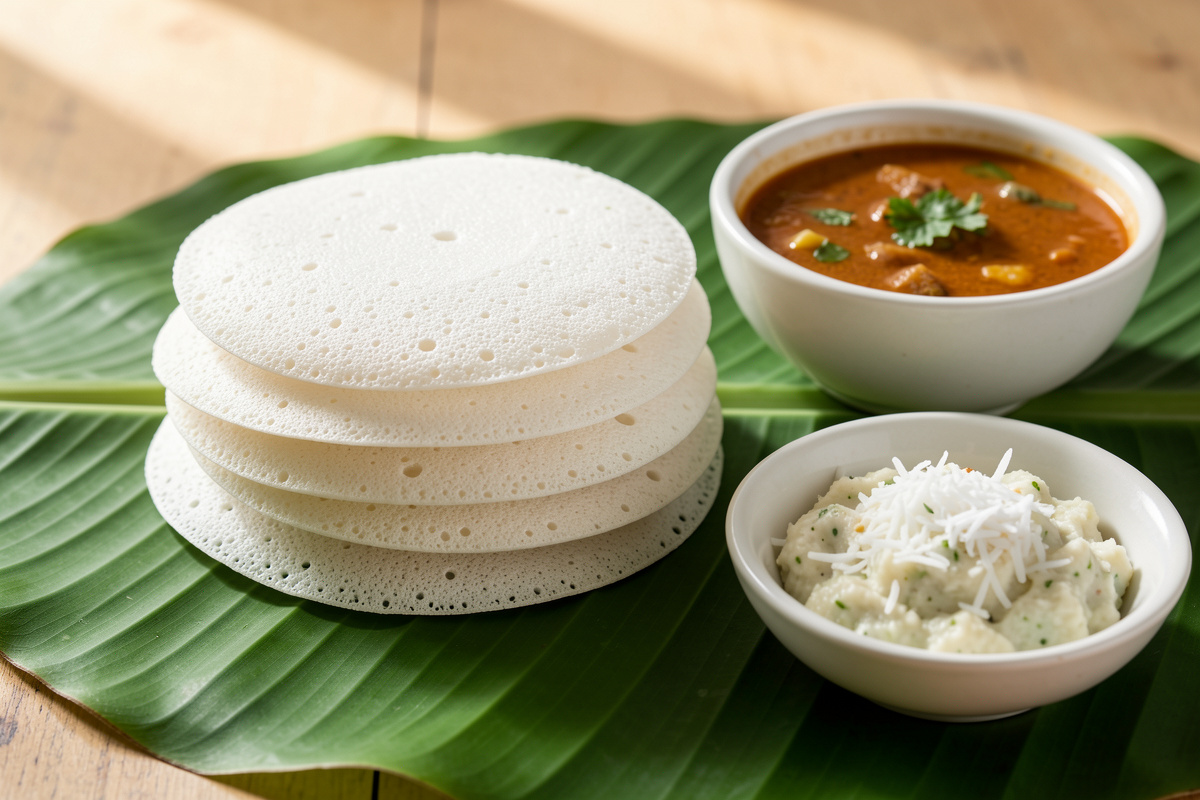
Idli and dosa start from the same fermented batter: rice and urad dal, soaked, ground, and left to ferment 8 to 16 hours until it nearly doubles and turns gently sour at around pH 4.3. The rise is biological — wild Leuconostoc and yeast throwing off gas — not baking soda. Get the grind and the warmth right and the rest is easy.
I run this batter the same way I run the sourdough starter I keep: by feel and by a couple of numbers, not by a stopwatch. The two failures people hit — a batter that will not rise, and one that goes flat and sour — both come down to grind, ratio, and temperature. This is the part of the grains and legumes framework where the dials matter most, because you are leavening, not just souring.
The ratio that controls everything
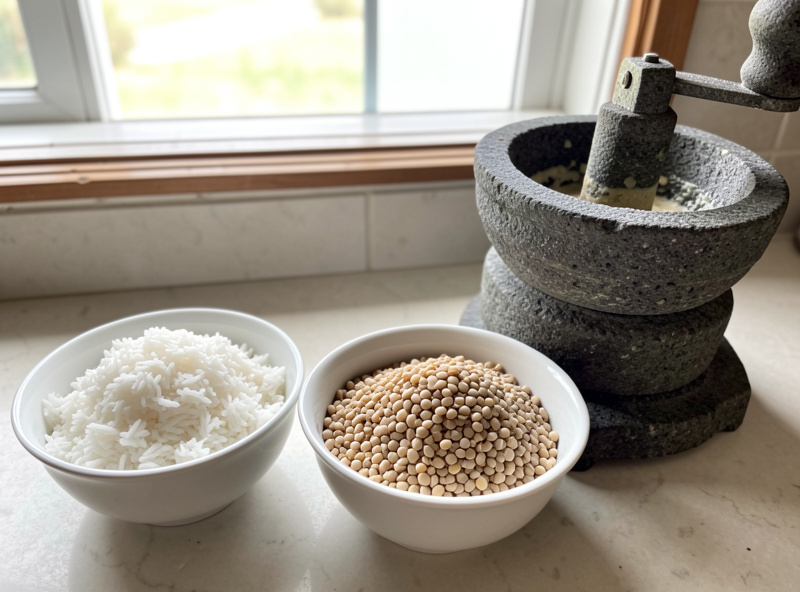
The classic idli ratio is 4 parts rice to 1 part urad dal by volume, with a teaspoon of fenugreek (methi) seeds soaked alongside the dal. Urad dal — split, skinned black gram — is the engine: its proteins and mucilage trap the gas the wild yeast produces, which is what makes an idli steam into a sponge. More dal gives a softer, fluffier idli; more rice gives a crisper dosa.
For dosa I shift toward 3:1 or even higher rice, because I want a batter that spreads thin and crisps rather than puffs. The fenugreek is not optional in my kitchen — it feeds the ferment, helps the rise, and gives that faint sweet aroma and golden dosa color. Soak the rice and the dal-plus-fenugreek in separate bowls for 4 to 6 hours; they grind to different textures and you want to control each.
Grinding: the step that makes or breaks the rise
This is where most home idli goes wrong. The urad dal must be ground to a light, fluffy, aerated paste — it should feel airy and almost double as you grind it, because you are whipping air and structure into it. The rice can be a touch coarser, with a slight grittiness that gives idli its texture. A traditional stone wet grinder does this best because it stays cool; a strong blender works if you pulse and add cold water to keep the batter from heating, since heat at the grinding stage kills the wild yeast before they ever get going.
Grind the dal first to that fluffy state, then the rice, then fold them together by hand — the hand-mixing is traditional and genuinely seems to help inoculate and aerate the batter. The finished batter should be thick but pourable, like a loose pancake batter. If it is too stiff it will not rise freely; too loose and it ferments fast but flat.
Fermenting: warmth, time, and the doubling
Cover the batter loosely — it needs to breathe and it will expand, so use a bowl at least double the batter volume or you will clean your counter at 3 a.m. Leave it somewhere warm. At 28 to 32°C it doubles in 8 to 12 hours; in my Sweden kitchen at 19°C it takes 16 to 24, and I help it along on a seedling heat mat or in the oven with just the light on.
Do not add salt before fermenting in a cold kitchen. Salt slows the wild flora, and when your kitchen is already cool that can stall the rise entirely. In hot climates a little salt before fermenting is traditional and fine; in a Nordic kitchen I ferment unsalted and salt the batter just before cooking. The batter is ready when it has clearly risen, is full of small bubbles, and smells pleasantly sour — my meter reads about 4.3 at that point, the same acid neighborhood as a young sourdough.
Idli versus dosa from one batter
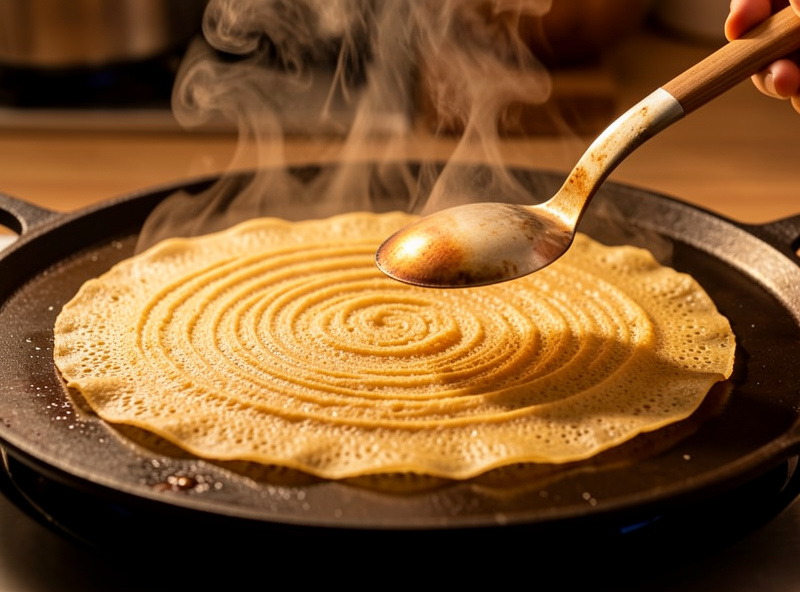
Once the batter is fermented, the same bowl makes both, and the table below is how I split it. For idli, keep the batter thick, stir gently to keep some gas, and steam in a greased idli mold for 10 to 12 minutes until a toothpick comes out clean. For dosa, thin the batter slightly with water, let it ferment a few hours longer (or sit a day in the fridge) for extra sour, and spread it thin on a hot griddle with a little ghee until lacy and crisp.
| Factor | Idli | Dosa |
|---|---|---|
| Rice : dal ratio | 4 : 1 | 3 : 1 (or higher rice) |
| Batter consistency | Thick, holds shape | Thinner, spreadable |
| Sourness wanted | Mild | More sour (longer ferment) |
| Cooking method | Steamed 10–12 min | Griddled thin and crisp |
| Best texture cue | Airy, spongy | Lacy, crisp edges |
This is the elegant part: one ferment, two completely different breads, decided entirely by hydration and cook. It is the clearest demonstration of why I think in dials rather than recipes.
Troubleshooting a stubborn batter
If the batter will not rise, it is almost always too cold or the dal was under-ground or ground hot — move it somewhere warmer and grind fluffier and cooler next time. If it rose then collapsed and smells very sour, it over-fermented; it still makes excellent dosa, just not light idli, so redirect rather than bin it. A pink, orange, or fuzzy growth on top is mold — discard the batch; a flat white film is harmless kahm yeast you can stir back in.
Chlorinated tap water is a quiet saboteur here, the same as it is for any wild ferment — if your water is heavily chlorinated, let it sit out overnight or use filtered, because chlorine knocks back the very microbes you are recruiting. None of this is fragile once you have made it twice; the batter is forgiving as long as it gets warm and acidifies.
Storing and reusing the batter
Fermented batter keeps in the fridge for about a week, and the cold simply slows the ferment rather than stopping it — so it keeps getting more sour, which is great for dosa and less ideal for fluffy idli. I make idli from the first day or two and let the back half of the batch drift sour for dosa and uttapam. For longer storage, freeze it in portions; thaw in the fridge and let it come back to room temperature and re-bubble slightly before cooking.
The other trick I borrow straight from my starter habits is back-slopping: stir a couple of spoonfuls of well-fermented old batter into a fresh-ground batch and it kicks off faster and more reliably, because you are inoculating with a proven culture instead of waiting on the wild flora alone. In a cold kitchen that head start can shave hours off the rise. It is the same logic as keeping a vinegar mother or a SCOBY going — never start from zero if you do not have to.
Beyond plain idli and dosa
Once the batter is in the fridge, it becomes a whole week of breakfasts. Uttapam is the most forgiving use — pour the batter thick like a pancake, press chopped onion, tomato, and chili into the top, and griddle slow; it is the dish I make when the batter is too sour or too thin to behave as crisp dosa. Masala dosa is just a thin dosa wrapped around spiced potato, and it is the best showcase for a properly sour, lacy batter.
Leftover steamed idli is excellent fried in mustard seeds and curry leaf the next day, and slightly stale idli crumbled into a pan with onion makes a quick idli upma. None of this needs new fermentation — it is all downstream of getting that one batter right, which is why I treat the ferment itself as the skill worth practicing. The same instinct that makes a good soured oat porridge or a balanced kraut applies here: nail the base ferment and the cooking takes care of itself.
Frequently Asked Questions
What is the best rice to urad dal ratio for idli?
Four parts rice to one part urad dal by volume is the classic idli ratio, plus a teaspoon of fenugreek seeds soaked with the dal. For crispier dosa, shift to three parts rice or higher. More dal gives softer, fluffier idli; more rice gives crisper dosa.
Why won’t my idli batter rise?
Almost always too cold or the urad dal was under-ground or ground warm. The wild yeast need 28 to 32 degrees C and a light, aerated dal paste to throw off gas. Move the batter somewhere warm, and next time grind the dal fluffy using cold water to keep it cool.
Should I add salt before or after fermenting?
In a cold kitchen, ferment unsalted and add salt just before cooking, because salt slows the wild flora and can stall the rise. In hot climates a little salt before fermenting is traditional and works fine. I ferment unsalted in Sweden and salt the batter at the end.
How long does idli dosa batter take to ferment?
At a warm 28 to 32 degrees C it doubles in 8 to 12 hours. In a cool 19 degree kitchen it takes 16 to 24 hours, helped by an oven light or a seedling heat mat. It is ready when it has risen, is full of small bubbles, and smells pleasantly sour, around pH 4.3.
Can I make both idli and dosa from the same batter?
Yes. Keep the batter thick for idli and steam it; thin it slightly and let it sour a little longer for dosa, then griddle it crisp. One fermented batter makes both breads, decided entirely by consistency and cooking method.
Is sour idli batter still safe to use?
Yes, as long as there is no fuzzy or colored mold. Over-fermented batter that has collapsed and smells very sour is safe and makes excellent dosa, even if it is too far gone to puff into light idli. Pink, orange, or fuzzy growth means discard the batch.
Related Guides
- Fermented Grains & Legumes: The Complete Guide
- Injera and Teff Fermentation
- Ogi: Fermented Maize and Millet Porridge
- Sprouting and Fermenting Legumes
- Best pH Meter for Fermentation

About Kenny Nyhus Fadil
A home fermenter documenting brines, bubbles, and the occasional moldy tragedy.