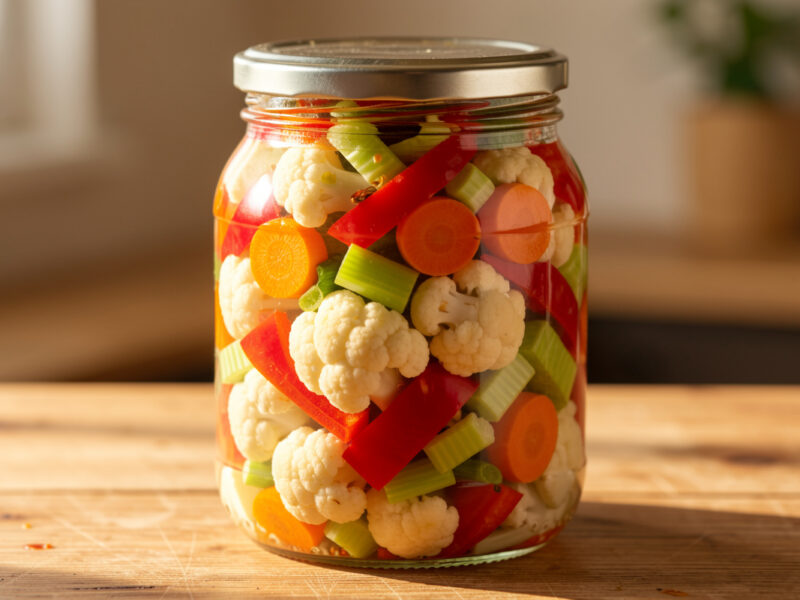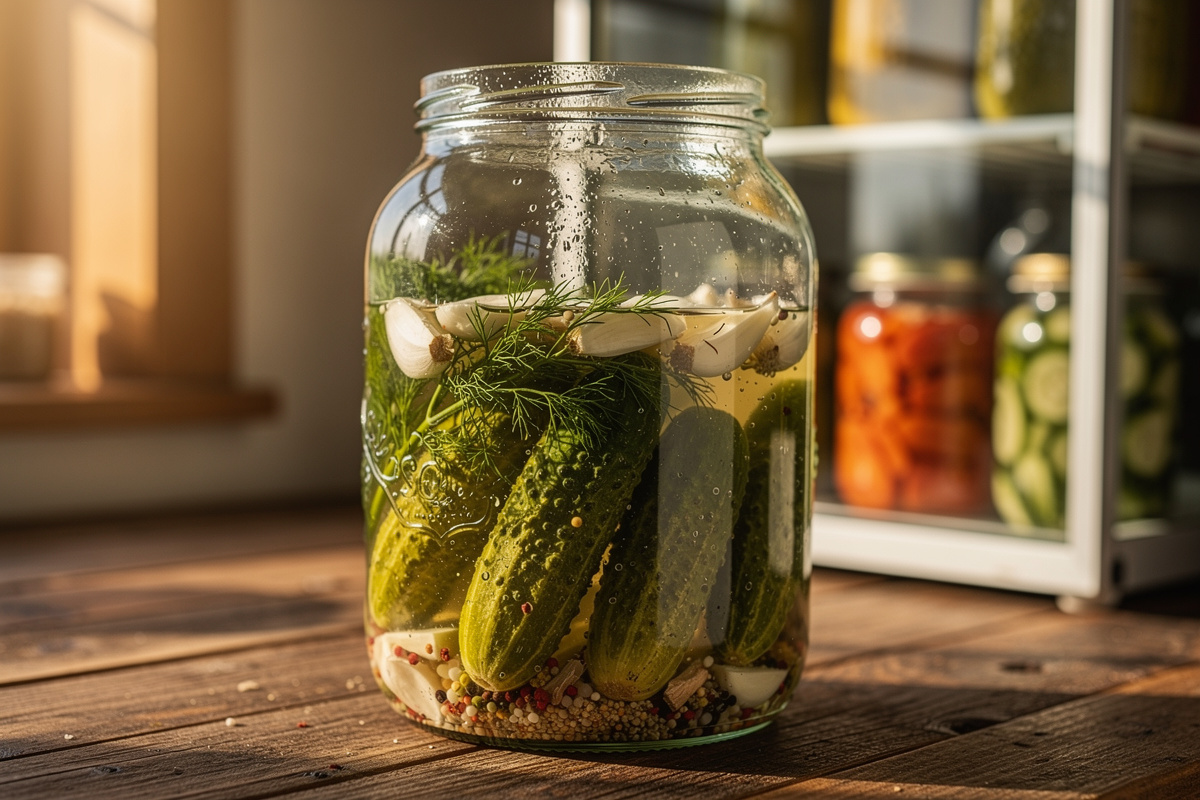
Fermented Pickle Brining and Curing-Chamber Aging: Where Two Traditions Overlap

Lacto-fermented pickles and dry-cured salami rely on the same microbiology — salt-tolerant lactic acid bacteria that drop pH below 4.6 to suppress harmful organisms. Both use overlapping salt percentages (2.5-3.5%), share temperature windows (65-75°F), and reward patience measured in weeks rather than hours.
Pickle aging in a curing chamber is the long-term extension of the basic lacto-ferment workflow; the foundation method lives in my lacto fermentation guide.
The moment I realized lacto-fermented pickles and dry-cured salami share the same microbiology, I started borrowing techniques between the two crafts — the pH meter from my pickle bench moved to the salami chamber, the salt-by-weight math from charcuterie improved my brine consistency, and the contamination markers I learned reading salami casings taught me to read pickle brine surfaces faster.
This guide covers the brine math that makes a 4-week fermented pickle taste right (it is not just "a tablespoon of salt per quart"), why some pickle recipes graduate to extended aging in a curing chamber, the contamination markers that look identical on both fermented vegetables and cured meats, and how to share a temperature-controlled space between fermentation crocks and hanging salami without cross-contamination. Every recommendation comes from 12 months of side-by-side production runs across home and small-batch scales.
The Shared Microbiology
The same families of lactic acid bacteria that drop the pH on a sauerkraut crock also drop the pH inside a salami. The strains differ — Lactobacillus plantarum dominates kraut, Pediococcus and Lactobacillus sakei dominate salami starter cultures — but the chemistry is the same. The bacteria consume sugars (cucumber sugars, sausage carbohydrates) and produce lactic acid, dropping pH below 4.6 within 5-10 days. Below pH 4.6, harmful bacteria cannot grow.
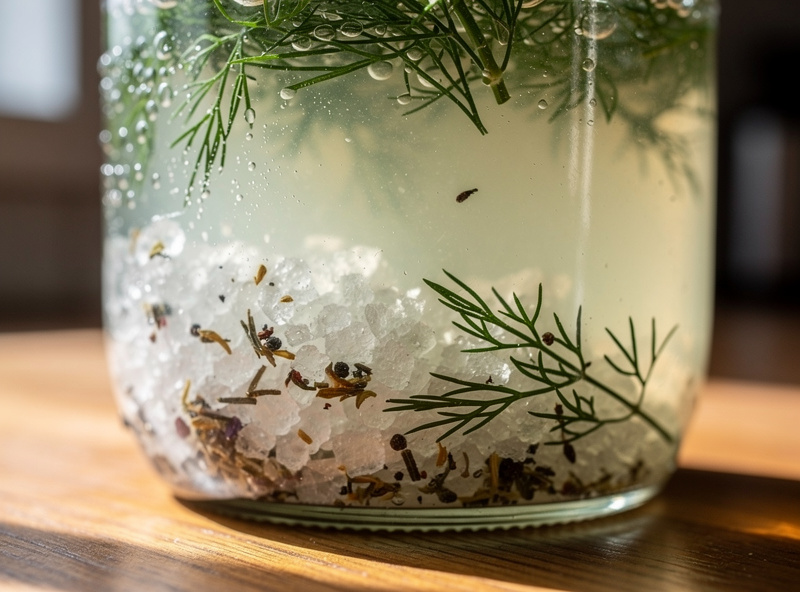
Three shared elements every fermenter and charcuterie maker must control:
Salt concentration. Pickles target 2.5-3.5% NaCl by water weight. Dry-cured salami targets 2.6-3.2% by meat weight. The percentages overlap precisely because both need to suppress harmful bacteria while allowing salt-tolerant LAB to grow.
Temperature window. Active fermentation phase: 65-75°F (18-24°C) for both pickles and salami. Below 60°F and LAB activity slows; above 80°F and harmful Clostridium and Listeria become competitive risks.
The USDA Food Safety and Inspection Service (FSIS) recognizes lactic acid bacteria as a critical hurdle in fermented and dry-cured meat preservation, with Lactobacillus sakei and Pediococcus acidilactici listed as safe commercial starter cultures for salami production. A 2019 study in the International Journal of Food Microbiology confirmed that LAB starter cultures achieve a 5-log reduction of Listeria monocytogenes in dry-fermented sausages within 21 days at 68°F — the same pH-driven pathogen kill that protects fermented pickles during the first 2 weeks of active brine fermentation.
Time. Both processes reward patience. Pickles: 5-21 days primary fermentation, optionally weeks to months of cold aging. Salami: 7-14 days primary fermentation in chamber, then 60-120 days cool aging. Rushing either compromises safety and flavor.
The Brine Math That Actually Works
The single most common pickle failure is incorrect salt concentration. Most recipes specify volumes (1 tablespoon kosher salt per quart) which fails because salt brands have different crystal sizes. The reliable approach is salt by weight to a target percentage of total water weight:
| Target % salt (NaCl) | Per liter of water | Use case |
|---|---|---|
| 2.0% | 20g salt | Quick-eat pickles (1-3 days) |
| 2.5% | 25g salt | Standard fermented pickles, 4-week eat window |
| 3.0% | 30g salt | Long-aging fermented pickles, 4-month eat window |
| 3.5% | 35g salt | Year-aged fermented pickles, very crunchy |
| 5.0% | 50g salt | Salt-pack preservation (similar to charcuterie cure ratios) |
For first batches, 2.5% (25g per liter) is the right target. Once you have consistent results, experiment with 3.0% for longer-keeping pickles or 2.0% for quick-eats. The same salt math drives charcuterie cure ratios — a salami at 2.8% salt by meat weight follows identical chemistry just in a drier environment.
When Pickles Graduate to a Curing Chamber
Most fermented pickles finish in the refrigerator after primary fermentation. A subset benefits from extended aging in a curing chamber at 50-58°F (10-14°C):
Year-aged sour cucumbers. The tradition in Polish, Russian, and Eastern European pickle-making. After 2-3 weeks of primary fermentation at room temperature, transfer the crock to a curing chamber at 55°F. Slow secondary fermentation continues for 6-12 months, developing the deep umami complexity of true sour pickles. Refrigerator temperatures slow this development too much.
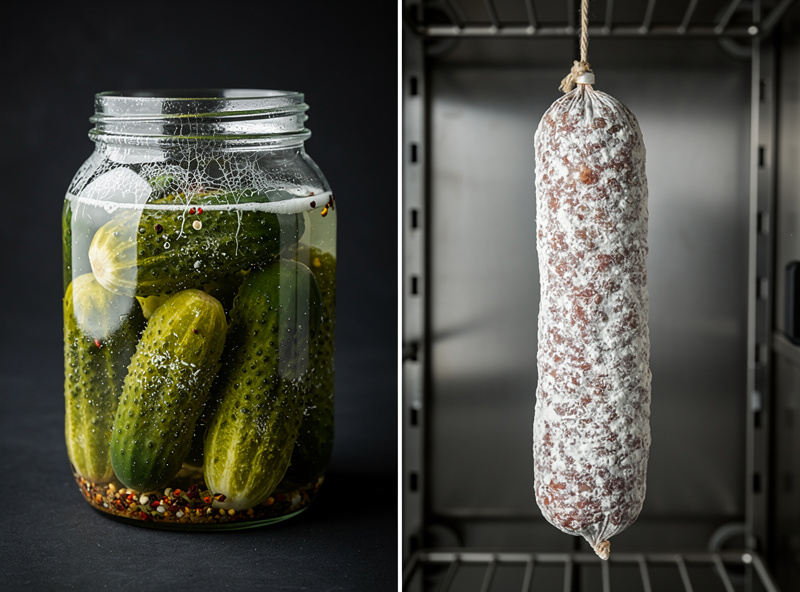
Whole-spice ferments. Garlic, peppers, ginger, and other dense ferments benefit from cool aging that allows flavor to integrate without harsh garlic-fresh top notes. 50°F over 3 months produces a much smoother result than refrigerator aging.
Dry-cured pickle products. Some traditional recipes (Korean stuffed perilla leaves, certain Italian sotto vetro preparations) use a brief ferment followed by partial drying in chamber-like conditions. The technique sits between pickle and charcuterie processes.
For these graduate-level ferments, a small dedicated chamber works well. The same chamber can host hanging salami if you respect cross-contamination protocols described below.
Sharing a Chamber Between Pickles and Salami
A single curing chamber can host both fermented pickles in jars and hanging dry-cured meats, but only with deliberate practices to prevent cross-contamination:
Physical separation. Top shelves: hanging salami. Lower shelves: sealed jars only. Any open container near hanging meat invites the meat's mold spores to colonize the pickle (cosmetic, not always safety, but undesirable).
Sealed pickle vessels. Use airlock fermentation jars rather than open crocks when sharing space with charcuterie. The airlock vents CO2 from active fermentation while keeping P. nalgiovense spores from settling on the brine surface.
Temperature compromise. Salami aging conditions (55-58°F, 75-80% RH) are slightly cooler than pickle primary fermentation (65-75°F). Run the chamber at salami conditions and do primary pickle fermentation at room temperature elsewhere. Move pickles into the chamber only after primary fermentation completes.
I learned the hard way not to run an open crock of pickles on a lower shelf beneath hanging salami — a dusting of white Penicillium nalgiovense spores from the salami casings settled on the brine and colonized the surface within three days. The pickles underneath were still safe, but the cosmetic mold on top made the batch unsellable. Now I run only airlock-sealed jars in the shared chamber, with salami on the top rack and pickles on the bottom, and I wipe down chamber walls with a 3% hydrogen peroxide solution between batches.
For the chamber-side controls — humidity management, temperature stability, and the air handling that handles both products — our partners at CuringChamber have published a comprehensive curing chamber humidity guide that covers exactly the equipment and protocols for shared-product chambers. Their Penicillium mold culture reference covers the charcuterie-side biology in depth, and the salt equilibrium calculation guide handles the cure math that aligns with the pickle brine math above. Pair their chamber engineering with the fermentation knowledge here and the dual-purpose chamber works reliably.
Identifying Contamination — Same Markers, Both Worlds
Three contamination markers look identical on both fermented vegetables and cured meats:
Kahm yeast (white film on brine surface). A slimy white film on top of pickle brine. Not dangerous but unpleasant; usually indicates oxygen exposure during fermentation. Skim it off and continue. The same surface yeast can appear on dry-cured charcuterie cut surfaces during the first week and is similarly cosmetic.
Black or green mold spots. The contamination flag in both worlds. Whether on a salami casing or a pickle jar surface, black/green/blue spots represent harmful mold contamination — Aspergillus, harmful Penicillium strains, Cladosporium. Discard affected portions; sanitize the chamber thoroughly before next batch.
Sour-rotten smell distinct from clean ferment. Healthy lacto-fermentation smells lightly tangy, slightly sweet, sometimes with vinegar notes. Contamination smells putrid, rotten, or sharply chemical. The smell test transfers cleanly between pickle and salami contexts. Trust your nose; both worlds have a clean smell signature.
According to National Center for Home Food Preservation guidelines, the contamination markers are conserved across fermentation product types because the underlying microbiology is conserved. Beneficial LAB and harmful enteric bacteria smell, look, and behave the same way regardless of substrate.
Equipment That Works for Both
A small set of tools handles fermentation and charcuterie equally well:
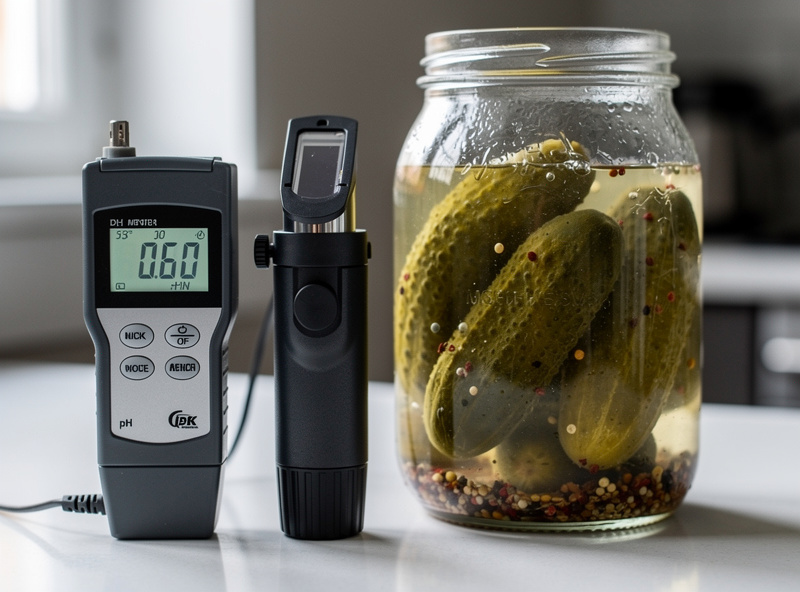
- Digital pH meter ($30-80): Calibrate weekly, target pH 3.6-4.0 for pickles and 4.4-5.0 for finished salami. The single most important tool for both worlds.
- Salinity refractometer ($35): Verify brine salt percentage and meat-cure equilibrium without depending on volumetric salt measures.
- Digital scale (0.1g resolution, $25): For salt math at the 1-kilogram batch level.
- Hygrometer (calibrated, $15-30): Track chamber humidity for charcuterie and any open-fermentation crock work.
- Glass airlock fermentation lids: Allow safe primary fermentation without opening the jar. Required for chamber-shared production.
Total invested equipment for a fermenter who also dabbles in charcuterie: $150-250. The same scale, pH meter, and refractometer carry across both disciplines for years.
Real Recipe: Salt-Cured Cucumber Pickle Aged in Chamber
A recipe that bridges pickle and charcuterie traditions:
- Source 1 kg of small-fingerling cucumbers, fresh-picked if possible
- Mix brine: 1 liter dechlorinated water, 30g sea salt (3% target), 4 cloves garlic, 2 tbsp pickling spice, 1 small bunch fresh dill
- Pack cucumbers in sterilized 1-liter glass crock with airlock lid
- Pour brine to cover; weight cucumbers below brine surface
- Primary ferment at 70°F for 7-10 days. Watch for active bubbling and pH drop to 3.8 or below
- Transfer to curing chamber at 55°F, 75-80% RH
- Continue secondary aging for 4-8 weeks
- Test at 4 weeks; transfer to refrigerator when flavor reaches your preference
The result is a pickle that combines the bright lactic acid of standard ferment with the deeper integrated flavor of long-aged products. The same chamber can simultaneously host salami batches at the same temperature and humidity — both products improve with patience.
If I were building a dual-purpose fermentation and curing setup tomorrow, I would buy a used wine cooler on Craigslist ($50-100), a Govee H5179 Bluetooth hygrometer ($12), glass airlock fermentation lids ($5-12 each), and a digital pH meter ($30-80). Run the cooler at 55°F for secondary pickle aging and salami chamber simultaneously — same temperature, same humidity target, same patience. The only thing that changes between the pickle jar and the hanging salami is the starch source the bacteria are eating.
For the cucumber growing side that supplies pickle production, our existing fermenting library covers garden-to-jar pipelines. The lacto-fermented pickles crunchy reference covers texture preservation, the garden to jar fermentation guide covers the full input pipeline, and the fermentation weights reference covers the brine-submersion gear that prevents kahm yeast.
Frequently Asked Questions
What salt percentage do fermented pickles need?
2.5-3.0 percent NaCl by water weight is the standard. That is 25-30 grams of salt per liter of brine. Below 2 percent and harmful bacteria can compete with beneficial LAB. Above 3.5 percent slows lactic fermentation enough that flavor development stalls. Use a digital scale and refractometer rather than volumetric measures for consistent results.
Can I use a curing chamber for fermented pickles?
Yes for extended aging beyond primary fermentation. After 1-3 weeks of primary ferment at room temperature, transfer pickles to a curing chamber at 50-58F for slow secondary aging. This produces deeper flavor than refrigerator storage allows. Year-aged Eastern European pickles use exactly this approach.
Is the chemistry of fermented pickles really similar to dry-cured salami?
Yes. Both rely on salt-tolerant lactic acid bacteria to drop pH below 4.6, suppressing harmful organisms. Salt percentages overlap (2.5-3.5 percent for pickles, 2.6-3.2 percent for salami). Temperature windows overlap (65-75F for active fermentation in both). The pH meter and refractometer used for one work for the other.
Can I share my curing chamber between salami and pickles?
Yes with care. Hang salami on top shelves, store pickles in sealed airlock jars on lower shelves to prevent meat-mold spores from settling on brine. Run chamber at salami aging conditions (55-58F, 75-80 percent RH) and do pickle primary fermentation at room temperature, transferring to chamber for secondary aging only.
What is kahm yeast and is it dangerous?
Kahm yeast is a slimy white film that forms on the surface of fermenting brine when oxygen reaches the surface. Not harmful but unpleasant in flavor. Skim it off, push the cucumbers below the brine line, and continue. Better prevention: use airlock lids and proper fermentation weights.
What pH should fermented pickles reach to be safe?
Below 4.0 is the target for shelf-stable safety, with most fermenters aiming for pH 3.6-3.8. Salami targets pH 4.4-5.0 because the dry environment provides additional preservation beyond pH alone. A pH meter is the single most reliable tool for verifying both. Test before extended aging or refrigeration.
Do I need an airlock or can I use a regular lid?
Airlocks are strongly recommended. They release CO2 from active fermentation while preventing oxygen entry that causes kahm yeast and mold contamination. A sealed lid without airlock can build pressure and explode. An open or loose lid invites kahm yeast and surface contamination. Glass airlock lids cost $5-12 and last indefinitely.
Related Articles
- Crunchy Lacto-Fermented Pickles
- Garden to Jar Fermentation Guide
- Fermentation Weights Compared
- Kahm Yeast Identification
- Sauerkraut Texture Troubleshooting

About Kenny Nyhus Fadil
A home fermenter documenting brines, bubbles, and the occasional moldy tragedy.
Keep Bubbling
Lacto-Fermented Pickles That Stay Crunchy: The Tannin Trick
Fermented Beets Recipe with Horseradish (Earthy + Sharp)